

Navigating the Storm: The Enduring Impact of COVID-19 on Global 3D Printing and Additive Manufacturing Events
Additive manufacturing (AM) events, encompassing a diverse array of trade fairs, in-depth conferences, collaborative meetups, and innovative maker faires, serve as critical pillars for the global 3D printing industry. These gatherings are far more than mere exhibition spaces; they are dynamic hubs where innovators, manufacturers, researchers, and end-users converge to foster unparalleled collaboration. They provide invaluable platforms for exchanging groundbreaking ideas, forging strategic partnerships, showcasing cutting-edge technologies, and discovering the latest market trends. For many, these events are essential for staying competitive, identifying new business opportunities, and networking with peers and thought leaders. The vibrant atmosphere and face-to-face interactions facilitate a rapid transfer of knowledge and technological advancements that are often difficult to replicate through digital means alone. However, with the unforeseen and rapid global spread of the novel coronavirus, more precisely known as COVID-19, the very essence of these interactive gatherings was profoundly challenged. The pandemic cast a long shadow over the entire event landscape, compelling organizers worldwide to make unprecedented decisions: many 3D printing events faced significant postponements, while others, unfortunately, had no choice but to be cancelled outright. This drastic shift initiated a period of intense uncertainty and adaptation across the additive manufacturing community.
The initial wave of disruption began in Asia, a vital region for manufacturing and technological innovation. TCT Asia, a cornerstone event for the additive manufacturing sector, was among the very first exhibitions to announce a postponement. Originally slated to run in Shanghai from February 19 to 21, the show was a major highlight on the industry calendar, expected to draw over 200 exhibitors and welcome more than 10,000 visitors from across 20 different countries. The decision to delay such a large-scale international event sent clear signals about the severity of the unfolding health crisis. Similarly, Asiamold, another prominent Chinese trade show focusing on mold and die manufacturing, which often includes significant additive manufacturing components, was also postponed from its original dates of February 26 to 28. These early postponements were crucial indicators of the challenging times ahead for global events. Fortunately, new dates were eventually announced for TCT Asia, which was rescheduled to take place between July 8-10, 2020. As for Asiamold, organizers promised to announce new dates for the exhibition in due course, reflecting the fluid and unpredictable nature of the pandemic’s progression.
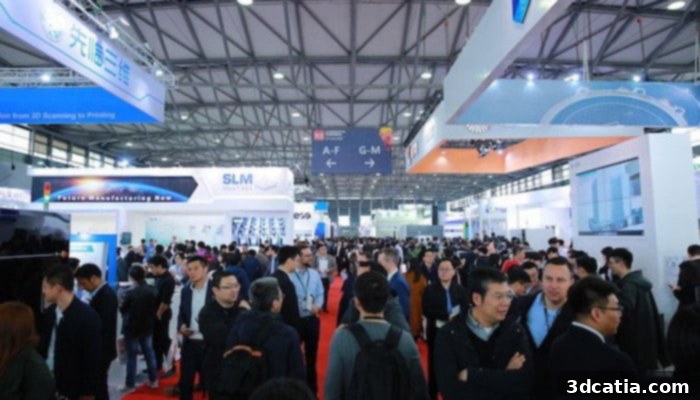
TCT Asia had to be postponed due to the developing global health crisis.
The Stark Reality: Empty Booths at DMS in Tokyo
While many events opted for postponement, some decided to proceed, offering a stark illustration of the coronavirus’s immediate consequences. The Design Engineering & Manufacturing Solutions Expo, widely known as DMS, which took place in Tokyo, Japan, serves as a prime example. Considered one of the largest additive manufacturing exhibitions globally, DMS typically buzzes with activity, drawing substantial interest and generating numerous business leads. However, the 2020 edition painted a drastically different picture. We had the opportunity to speak with Peter Rogers, APAC Product Specialist for Additive Manufacturing at Autodesk, who candidly described the event as “an incredible flop.” His observations painted a grim picture: “Large numbers of companies cancelled their exhibits, and for those that didn’t cancel, a majority were unmanned booths. It was quite disappointing to see considering it is usually quite a good event that brings in a number of strong leads.” The impact on attendance was equally devastating. Tentative numbers provided by Reed Exhibitions Japan, the event’s organizer, indicated attendee figures hovering around a mere 8,000-10,000 total across the three days. This represented a catastrophic drop from the more than 88,000 attendees recorded in 2018, underscoring the profound chilling effect the pandemic had on public gatherings and international travel.
Despite the immediate challenges presented by the virus, Peter Rogers maintained a long-term optimistic outlook regarding the resilience of the additive manufacturing industry. He expressed confidence that while the virus would inevitably lead to more cancellations or a shift towards online broadcasts for future events, it would not fundamentally jeopardize the sustained growth and innovation within the AM sector. Furthermore, Rogers highlighted a crucial silver lining: the pandemic itself served as a powerful demonstration of the inherent flexibility and adaptability offered by additive manufacturing technology. He elaborated, “The manufacturing flexibility that AM can offer is of huge value to companies that need to pivot to offer new services, and this has been very well done by companies like BYD, Sinopec and Foxconn who have reconfigured production lines to assist with mask, disinfectant and protective goggles to help cover the increasing demand. AM can offer flexibility and help companies to be more reactive to situations like these.” This insight underscored AM’s critical role in rapidly reconfiguring supply chains and producing essential goods during times of crisis, proving its worth far beyond traditional industrial applications.
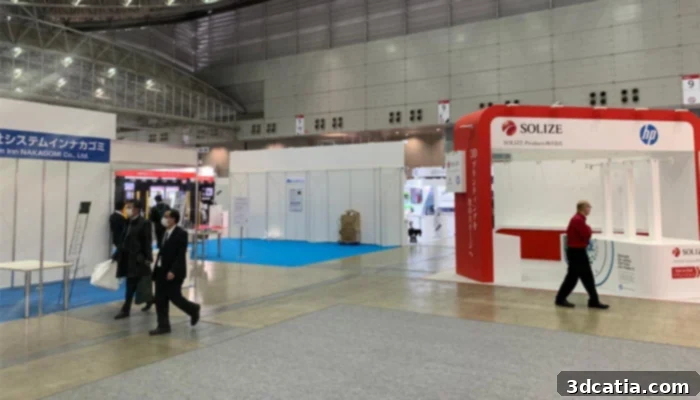
DMS proceeded as planned, but the event suffered from alarmingly low attendance | Credits: Peter Rogers
Strategic Postponements: Navigating Uncertainty in the Global Composites Sector
Beyond Asia, the ripple effects of the coronavirus quickly spread to major events across Europe and other parts of the world. For many organizers, outright cancellation was a last resort; strategic postponement became the preferred option, allowing time for the situation to stabilize. A prominent example of this careful consideration was JEC World, one of the world’s premier trade fairs for the composites industry, an sector increasingly intertwined with advanced manufacturing techniques like 3D printing. JEC World was originally scheduled to open its doors in Paris from March 3 to 5. We had the valuable opportunity to discuss the virus’s profound impact on the show with Eric Pierrejean, CEO of the JEC Group. He offered insightful details into the complex decision-making process: “The postponement of an international exhibition can be the result of a decision by national or local authorities, as is currently the case in France for events with more than 5000 participants. The spread of the coronavirus in countries playing an important role in the composites sector, such as China, South Korea and Italy, and the increase in travel restrictions from authorities, but also from companies attending the event, encouraged us to discuss with key players in the sector to assess the situation. Within this context, we took the decision with the full support of the main players, to postpone the show.” This statement highlighted the multi-faceted pressures organizers faced, from governmental mandates to the practical concerns of international participants facing travel bans and corporate restrictions.
JEC World was subsequently postponed to May, a decision Eric Pierrejean explained was made with careful consideration for the entire industry’s recovery. “We wanted to plan the show early enough to allow the entire industry to resume its activities and benefit from the positive effects of the show, and so far this has been a wise decision as most of the participating companies have confirmed their participation in May,” he affirmed. This strategic move aimed to provide a sufficient window for global health conditions to improve, travel restrictions to ease, and for businesses to regain confidence in attending large-scale events. The high rate of re-confirmation from participating companies underscored the industry’s strong desire to reconnect and leverage these vital platforms once conditions permitted. Such postponements were not just logistical challenges; they involved immense financial implications for organizers, exhibitors, and the local economies dependent on these major conventions, requiring delicate balancing acts between safety, economic viability, and industry expectations.
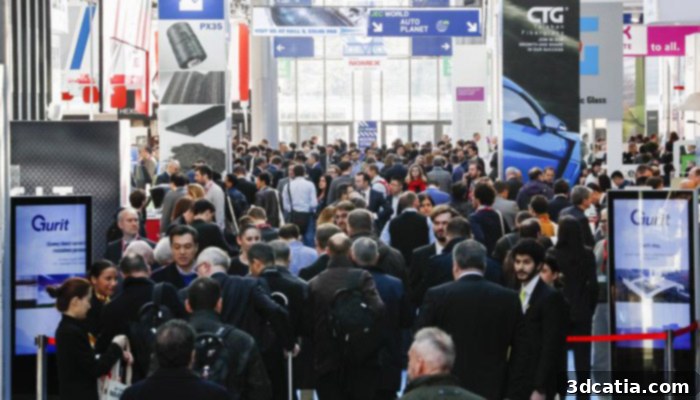
JEC World was thoughtfully postponed to May, prioritizing industry safety and recovery.
The Challenging Call: Events That Pressed On Amidst Uncertainty
While many organizers opted for caution, others found themselves in a unique position to proceed as planned, though not without heightened vigilance and considerable scrutiny. On March 1, AMUG President Carl Dekker issued an official press release confirming that the Additive Manufacturing Users Group Conference would indeed take place in Chicago from March 22-26 as originally scheduled. His statement reflected the information available at the time: “At this time, no federal restrictions are in place to prevent meetings and travel in the United States. We understand concerns about COVID-19 are top of mind. Please note that The Additive Users Group Board is taking appropriate precautions and is consulting the latest guidance from the Centers for Disease Control and Prevention and local public health authorities.” This decision highlighted the complex landscape event organizers navigated, balancing official guidelines, participant concerns, and the significant logistical and financial commitments already made. The commitment to proceed required a robust framework of safety measures and constant communication with health authorities.
Similarly, Advanced Factories in Barcelona, Spain, also adhered to its original schedule, running from March 3rd to the 5th. This event, focused on industrial automation and advanced manufacturing, proceeded during a period of escalating global anxiety but before widespread lockdowns became commonplace in Europe. Another colossal show in the additive manufacturing sector, Rapid + TCT, was also maintained for April. The decisions by these organizers to move forward underlined the enormous stakes involved in these large-scale gatherings, which often represent years of planning and significant investment from both organizers and exhibitors. However, the rapidly evolving nature of the pandemic meant that the long-term success and safety of these events remained highly uncertain. Predicting the trajectory of the coronavirus spread in the coming weeks and months was incredibly difficult, leaving all involved with a sense of apprehension. Ultimately, 3D printing events around the world faced an unprecedented dilemma, with profound uncertainty surrounding every decision – whether to postpone, cancel, or proceed. The outcomes of the shows that pressed on served as a critical learning experience for the entire global event industry, shaping future strategies for resilience and adaptation.
The COVID-19 pandemic undeniably reshaped the landscape of global 3D printing and additive manufacturing events, forcing an industry reliant on physical interaction into a period of introspection and innovation. While the immediate impact was severe, leading to cancellations, postponements, and significantly reduced attendance, it also catalyzed discussions around digital transformation, hybrid event models, and the inherent flexibility of AM technology itself. The lessons learned from this unprecedented era will undoubtedly influence how future industry gatherings are conceived and executed, prioritizing safety, accessibility, and continued engagement regardless of external circumstances. The challenges of 2020 and beyond underscored the vital role these events play in fostering innovation and collaboration, ensuring that the 3D printing community remains connected and forward-moving even in the face of adversity.
Do you believe more 3D printing events will pivot to virtual formats or continue to face disruptions because of evolving global health situations? Share your thoughts in a comment below or join the conversation on our Facebook and Twitter pages! Don’t miss out on the latest advancements and news in additive manufacturing – sign up for our free weekly Newsletter to receive all the updates straight to your inbox!