
byFlow Unveils Patented 3D Food Printing Technology, Revolutionizing Culinary Arts with Personalized Chocolate
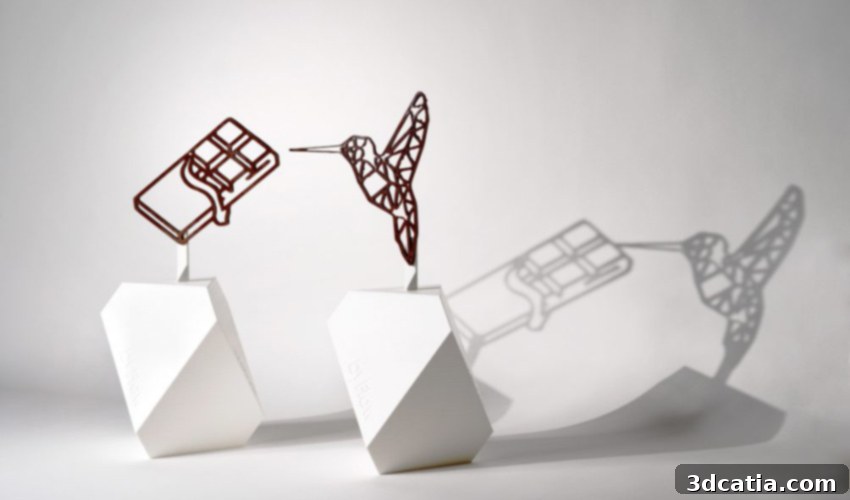
The esteemed ‘World’s 50 Best Restaurants’ annual event made a highly anticipated return on October 5th in Antwerp, marking its first physical gathering since the global health crisis. This prestigious event served as a perfect stage for groundbreaking culinary innovations. Among the notable presentations, byFlow, a pioneering manufacturer of advanced food 3D printers, unveiled its latest patented technology. Following in the footsteps of innovators like More Than Shape and other forward-thinking companies, this Netherlands-based startup has significantly advanced the food 3D printing process, particularly excelling in the creation of intricate chocolate designs. While still a relatively nascent food manufacturing method, the art of 3D-printed chocolate is steadily growing in recognition and popularity, promising a new era of personalized gastronomic experiences.
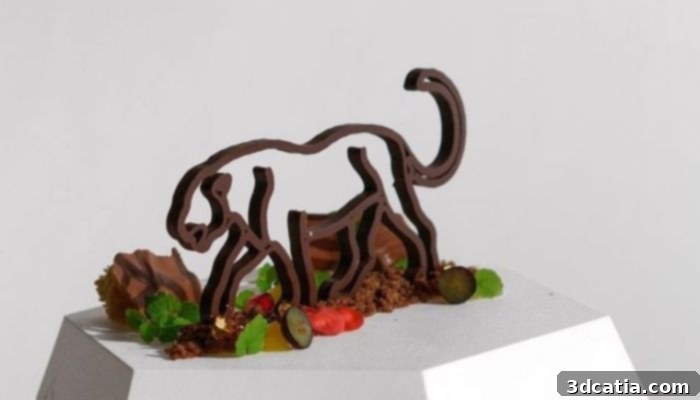
Floris Hoff, byFlow’s technical director and co-founder, articulated the company’s strategic approach, stating, “Above all, we listened and observed the market. An important finding was that a lot of our customers’ interest in food 3D printing technology has been in personalized chocolate printing.” This keen market insight has propelled byFlow to develop capabilities that allow for the production of chocolate creations boasting truly unique geometries and unparalleled customization. The startup proudly highlights that its innovative technology has undergone extensive testing and refinement across the globe, collaborating with various high-profile restaurants and researchers to craft a diverse range of items, including specialty cereal-based snacks. The technology’s sophistication has even led to its presentation at numerous prestigious events, most notably to Her Majesty Queen Elizabeth II, underscoring its significant impact and potential within the culinary world.
byFlow’s Advanced 3D Food Printing: A Deep Dive into Innovation
The journey to perfecting byFlow’s 3D chocolate printing technology has spanned nearly seven years of dedicated research and development. This extensive period of innovation has culminated in a robust and refined system, now fully prepared for broad commercial application across the food industry. A testament to its groundbreaking nature, byFlow currently holds a European patent for the sophisticated printhead at the core of its food 3D printing system, with a similar patent expected to be granted in the United States within the next 12 months. This patented technology represents a significant competitive advantage, enabling byFlow to distinguish itself markedly from other manufacturers in the burgeoning food 3D printer market.
byFlow asserts that its 3D printers possess the unique capability to print food in virtually all forms, whether it be solid ingredients or delicate powders. While the company strategically highlighted its prowess in 3D chocolate printing at the Antwerp event, the versatility of byFlow’s technology extends far beyond confectionery. It is adept at handling a wide array of different food materials, from vibrant root vegetables like beets to aromatic spices, offering unparalleled flexibility to culinary professionals. This adaptability ensures that chefs and food developers are limited only by their imagination, opening up a world of possibilities for novel dishes and customized dining experiences.
Unleashing Culinary Creativity: From Personalized Chocolates to Sustainable Gastronomy
The advent of byFlow’s technology marks a pivotal moment for culinary creativity. The ability to produce personalized chocolate with unique geometries transforms desserts from mere treats into edible art pieces. Imagine bespoke chocolates with intricate company logos for corporate events, customized messages for weddings, or incredibly detailed artistic designs for Michelin-starred restaurants. This level of precision and personalization was previously unattainable, offering chefs unprecedented tools for innovation. The technology empowers them to experiment with new textures, create complex edible structures, and provide a truly bespoke experience to their diners, pushing the boundaries of traditional culinary aesthetics.
Furthermore, the potential applications extend beyond the realm of high-end dining. ByFlow’s success in producing a selection of cereal-based snacks demonstrates its capacity for creating healthier, customized food options. This could revolutionize school lunches, dietary supplements, or even emergency food rations by allowing for nutrient-dense, palatable options tailored to specific needs or preferences. The meticulous control offered by 3D printing also allows for the precise layering of flavors and ingredients, enabling the creation of complex taste profiles and visually stunning edible forms.
Shaping the Future of Food: Sustainability and Strategic Partnerships
Beyond aesthetic and creative advantages, byFlow is deeply committed to leveraging additive manufacturing to foster a more sustainable world. This innovative approach to food preparation and consumption holds immense promise for addressing critical global challenges such as food waste and resource efficiency. By allowing for the precise printing of ingredients, 3D food printing significantly reduces the amount of unused or discarded food. Chefs can print exact portions, minimizing spoilage and optimizing inventory. Moreover, the technology facilitates the exploration of alternative, more sustainable ingredients and protein sources, and can even contribute to localized food production, reducing transportation costs and carbon footprints.
To truly realize this vision, byFlow actively seeks collaborative ventures with other key players in the vast food services industry. These partnerships are crucial for integrating 3D food printing into various segments, from industrial food production to catering and hospitality. Nina Hoff, Floris’s sister and fellow co-founder of byFlow, encapsulates this forward-looking strategy: “We look forward to building new partnerships with food experts to shape the future of food.” This collaborative spirit underscores byFlow’s ambition not just to sell printers, but to fundamentally transform how food is perceived, prepared, and consumed, creating a more sustainable, personalized, and exciting culinary landscape for everyone.
The Expanding Horizon of 3D Food Printing
The advancements showcased by byFlow at the ‘World’s 50 Best Restaurants’ event are indicative of a broader trend where 3D printing is poised to revolutionize the food industry. This technology offers an unprecedented level of precision and customization, allowing for the creation of intricate designs, personalized nutritional content, and innovative textures that were once confined to the realm of imagination. From addressing dietary restrictions by printing allergen-free meals to developing futuristic culinary experiences, the potential applications are vast and exciting. byFlow’s patented printhead and versatile system are not just about printing chocolate; they represent a significant leap forward in making this future a tangible reality. The ability to handle diverse food materials, from solids to powders, positions byFlow as a leader in a field that promises to redefine gastronomy and food manufacturing.
What are your thoughts on byFlow’s cutting-edge 3D food printing technology and its potential impact on the culinary world? Share your insights and comments below, or connect with us on our Facebook and Twitter pages. For all the latest news and innovations in 3D printing, don’t forget to subscribe to our free weekly newsletter, delivered directly to your inbox!