
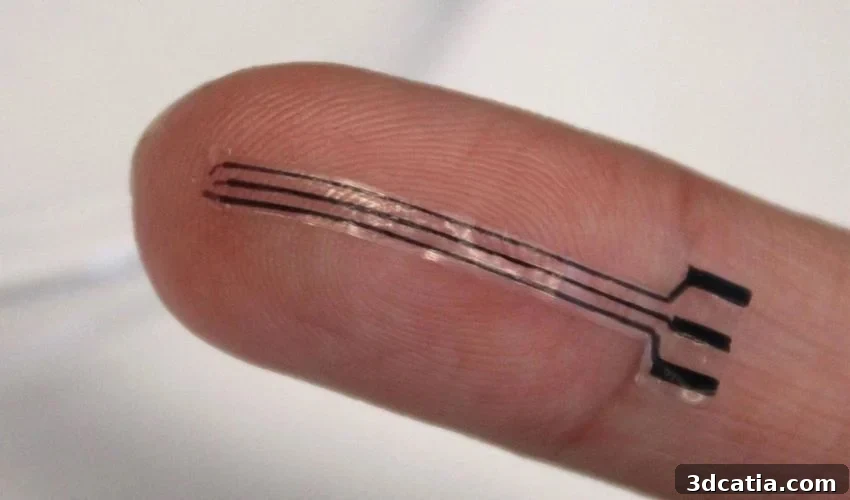
High blood pressure is a leading cause of cardiovascular disease worldwide, and many patients do not respond adequately to standard drug treatments. Researchers at Penn State University have developed a promising bioelectric implant created with 3D printing that may offer an alternative for drug-resistant hypertension.
Named CaroFlex, the device is produced by 3D printing a hydrogel—a soft, flexible material with properties similar to gelatin. Unlike conventional bioelectrodes made from rigid metals and plastics, CaroFlex conforms to surrounding tissue and adheres without sutures thanks to a built-in, non-toxic adhesive layer. Avoiding sutures reduces one major drawback of traditional implants: the irritation and damage to arterial tissue caused by the natural expansion and contraction of blood vessels.
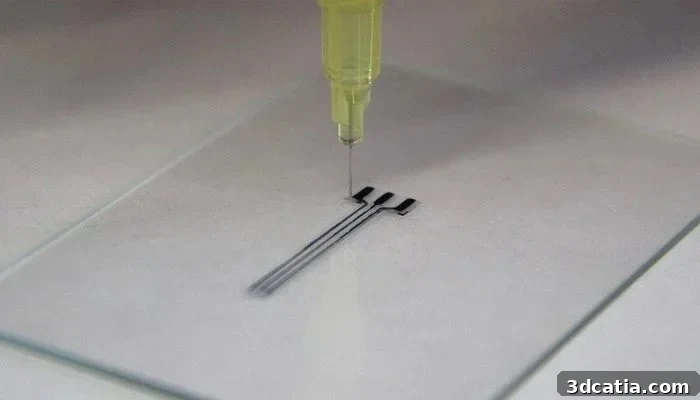
The implant targets the baroreceptor reflex, a physiological mechanism that helps regulate blood pressure through specialized nerve endings in the carotid sinus. Implanted in that region, CaroFlex delivers low-frequency electrical signals that stimulate those receptors, adjusting the autonomic nervous system’s regulation of blood pressure without medication.

In preclinical animal tests the results were encouraging. Of the five electrical frequencies tested, four produced an average blood pressure reduction greater than 15%. Tissue analysis two weeks after implantation showed no signs of damage or adverse immune response, supporting the material’s biocompatibility.
The research team is refining the device and working to scale up production as they prepare for human clinical trials. If human studies confirm the preclinical findings, CaroFlex could provide a new therapeutic option for patients with hypertension that does not respond to medication. According to Tao Zhou, assistant professor of Materials Science and Engineering at Penn State and lead author of the study, this manufacturing approach enables faster design, customization, and production of bioelectronic devices for clinical and commercial use compared with conventional methods.
The development of CaroFlex highlights several advantages: a flexible hydrogel construction that moves with tissue, suture-free adhesion to reduce vascular trauma, targeted electrical stimulation of natural blood pressure control mechanisms, and promising early safety and efficacy data. Next steps include further device optimization, regulatory work, and carefully designed clinical trials to validate safety and effectiveness in people.
*All Photo Credits : Marzia Momin