

Revolutionizing Military Housing: Fort Bliss Pioneers 3D Printed Barracks for a Sustainable Future
Fort Bliss, a prominent Army base nestled in El Paso, Texas, stands at the vanguard of a groundbreaking initiative poised to fundamentally transform military infrastructure. This ambitious project harnesses the immense potential of innovative 3D printing technology, often referred to as additive manufacturing, to construct state-of-the-art barracks. Under the visionary leadership of Army Sgt. Maj. Michael Perry, Fort Bliss is on the cusp of unveiling these cutting-edge 3D printed housing units on its grounds, marking a monumental leap forward. This endeavor not only promises to significantly elevate soldiers’ living conditions but also powerfully reaffirms the U.S. Army’s unwavering commitment to embracing sustainable construction practices and technological advancement.
Each of these pioneering barracks is meticulously designed to accommodate up to 72 soldiers, offering a dramatically improved and more hygienic living experience compared to conventional military housing. The transformation goes beyond mere aesthetics; these structures are engineered from the ground up with mold-resistant materials, a critical feature addressing long-standing health and maintenance challenges. Furthermore, their design incorporates advanced energy-efficient principles, aiming to reduce operational costs and environmental impact. At its very core, this project is driven by a singular, overarching objective: to enhance soldier comfort, safeguard their well-being, and provide an optimal environment conducive to both rest and readiness.
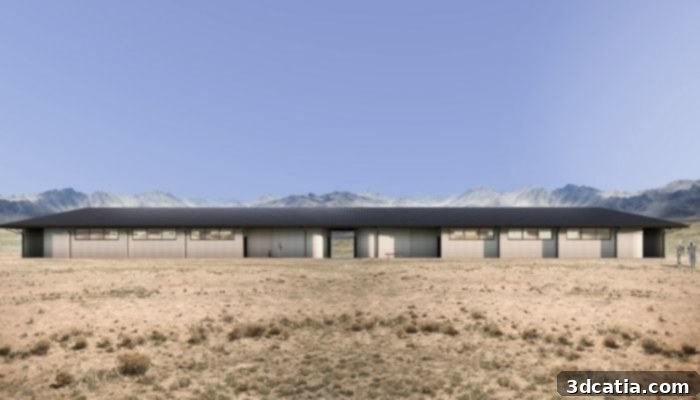
Photo Credits: Logan Architecture
The Vision Behind Fort Bliss’s 3D Printed Barracks Initiative
The journey toward these revolutionary barracks began with a significant endorsement from the Department of Defense in 2022. With completion anticipated this summer, this initiative represents far more than just a construction project; it signifies a profound paradigm shift in military housing. It’s a move away from traditional, often slower and more resource-intensive building methods, towards a future where sustainability, efficiency, and soldier welfare are paramount. By fully embracing the transformative capabilities of 3D printing technology, Fort Bliss is strategically positioned to tackle long-standing infrastructural challenges head-on. Concurrently, it is setting a groundbreaking new benchmark for construction efficiency, unparalleled durability, and remarkable cost-effectiveness within military facilities across the globe.
This ambitious project is a result of a fruitful collaborative partnership with ICON, a highly respected and innovative 3D printing construction company headquartered in Austin, Texas. ICON is renowned for its pioneering work in additive construction, utilizing its proprietary technology to create resilient and sustainable structures. The barracks themselves are being constructed using ICON’s high-strength concrete material, aptly named “Lavacrete.” This advanced material is a cornerstone of the project, distinguishing these 3D printed structures for their exceptional durability, superior weather resistance, and impressive energy efficiency. Unlike traditional building materials that can be prone to degradation over time or vulnerable to extreme weather conditions, Lavacrete offers a robust and long-lasting solution, perfectly suited for the demanding environment of a military base.
The advantages of employing 3D printing technology in construction, particularly when compared to conventional building methods, are manifold and compelling. These include significant gains in construction speed, which is crucial for rapid deployment and infrastructure development, and substantial improvements in cost-effectiveness through reduced labor and material waste. These benefits collectively position additive manufacturing as a formidable contender for the future of not only military and defense housing but also broader civilian housing developments and emergency infrastructure. Lt. Gen. Doug Gabram, an advocate for this innovative approach, articulated its value, stating, “Constructing facilities using this cutting-edge technology saves labor costs, reduces planning time, and increases the speed of construction of future facilities.” His words underscore the strategic importance of this technology, highlighting its potential to streamline operations and allocate resources more efficiently.
Enhancing Soldier Well-being and Operational Readiness
A primary driver behind the adoption of 3D printing for these barracks is the urgent need to provide soldiers with a safe, comfortable, and unequivocally clean living and training environment. The intentional integration of mold-resistant materials into the very fabric of these buildings is a direct response to a pervasive and critical issue that has plagued military bases nationwide. Last year, the Army undertook a proactive and necessary measure, training thousands of soldiers to recognize and effectively identify mold within numerous buildings across their installations. This comprehensive training was initiated after eye-opening inspections revealed an alarming figure: over 2,100 mold-infested buildings. This stark reality unequivocally highlighted the critical and immediate need for systemic hygienic improvements across military infrastructure.
The presence of mold not only poses significant health risks to soldiers, leading to respiratory issues and other ailments, but it also detrimentally impacts morale, readiness, and overall quality of life. By constructing barracks with inherent mold resistance, Fort Bliss is directly addressing these concerns, fostering a healthier living environment that supports soldier performance and mental well-being. This forward-thinking approach at Fort Bliss, incorporating advanced 3D printing technology, is also perfectly aligned with the Department of Defense’s updated Unified Facilities Criteria. This crucial alignment ensures that these new, innovative structures can be rapidly designed, approved, and implemented, further accelerating the modernization of military housing infrastructure.
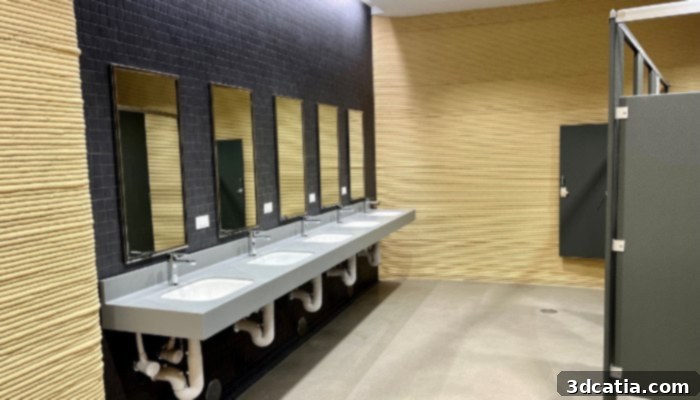
Photo Credits: US Army
Strategic Impact and Future Implications for Additive Construction
Beyond its immediate and tangible impact on the quality of life for soldiers stationed at Fort Bliss, this groundbreaking initiative carries immense promise for the future of construction not only within the U.S. Army but also potentially across all branches of military service and even into civilian sectors. These Fort Bliss barracks are not just any buildings; they hold the distinction of being among the largest 3D printed structures in the entire Western Hemisphere. This impressive scale underscores the maturity and capability of additive manufacturing for large-scale construction. Their implementation is strategically designed to serve as a powerful symbol of innovation and progressive thinking within the military establishment.
By demonstrating the efficacy, speed, and cost-efficiency of 3D printing on such a significant scale, this project is effectively paving the way for a much broader adoption of this transformative technology. This could revolutionize future military and civilian housing projects, offering solutions for rapid deployment, disaster relief, and affordable housing crises worldwide. The lessons learned and the benchmarks set at Fort Bliss will undoubtedly influence future policies and investments in construction technology. This approach aligns perfectly with the broader trend of leveraging cutting-edge solutions to meet evolving infrastructure needs, ensuring greater resilience, adaptability, and sustainability in construction. For those eager to delve deeper into the specifics of this pioneering project, additional information and detailed insights can be found by clicking here.
The implications extend beyond just building faster or cheaper. It’s about creating superior living environments that directly contribute to the health, morale, and operational readiness of service members. It’s about designing buildings that are inherently more resilient to environmental challenges and require less maintenance, freeing up valuable resources. Furthermore, the ability to rapidly construct specialized facilities could prove invaluable for military operations globally, from establishing forward operating bases to providing temporary housing in post-conflict zones or disaster-stricken areas. This flexibility and speed are attributes that traditional construction simply cannot match, making 3D printing a strategic asset for national defense and humanitarian efforts alike.
The pioneering spirit demonstrated at Fort Bliss underscores a commitment to embracing the future of construction. It champions innovation, sustainability, and—most importantly—the well-being of the individuals who serve our nations. As this project moves towards completion, it stands as a testament to what can be achieved when advanced technology meets strategic vision, setting a new global standard for military infrastructure and inspiring similar advancements across various sectors.
What are your thoughts on Fort Bliss’ innovative 3D printed barracks and their potential impact on military housing? We invite you to share your insights in a comment below or join the conversation on our LinkedIn, Facebook, and Twitter pages! Don’t miss out on the latest advancements in additive manufacturing – remember to sign up for our free weekly newsletter here to get the freshest 3D printing news delivered straight to your inbox! You can also explore all our engaging video content on our dedicated YouTube channel.
*Cover Photo Credits: US Army