
Weekly 3D Printing Digest: Top 5 Innovations & Applications You Can’t Miss
Welcome to our exclusive weekly roundup, showcasing the most groundbreaking advancements and compelling applications in the dynamic world of 3D printing. Each week, we scour the industry to bring you stories that not only highlight technological ingenuity but also demonstrate the transformative power of additive manufacturing across diverse sectors. From pioneering projects in extreme environments to sustainable housing solutions and even the fascinating realm of culinary innovation, 3D printing continues to redefine what’s possible and push the boundaries of conventional manufacturing.
This week’s edition is particularly exciting, featuring a journey to the formidable North Sea where industrial 3D printing is revolutionizing offshore operations, enhancing resilience and efficiency in remote and challenging locations. We’ll then shift our focus to the sunny landscapes of California, exploring how recycled materials are being ingeniously utilized to construct affordable and eco-friendly homes, addressing both housing shortages and environmental concerns. Our exploration continues with a deep dive into the synergy between Selective Laser Sintering (SLS) and thermoforming, revealing how these advanced techniques are enhancing manufacturing precision and expanding design possibilities for various industries. And, for those with a sweet tooth or a keen interest in culinary delights, we’ll taste-test some incredible 3D printed sugar creations, showcasing the artistic and personalized potential of food 3D printing. Finally, we’ll discover how a practical application of 3D printing is helping a local brewery streamline its operations, improve organization, and enhance overall efficiency. Prepare to be inspired by the versatility, practicality, and innovative spirit driving the additive manufacturing revolution!
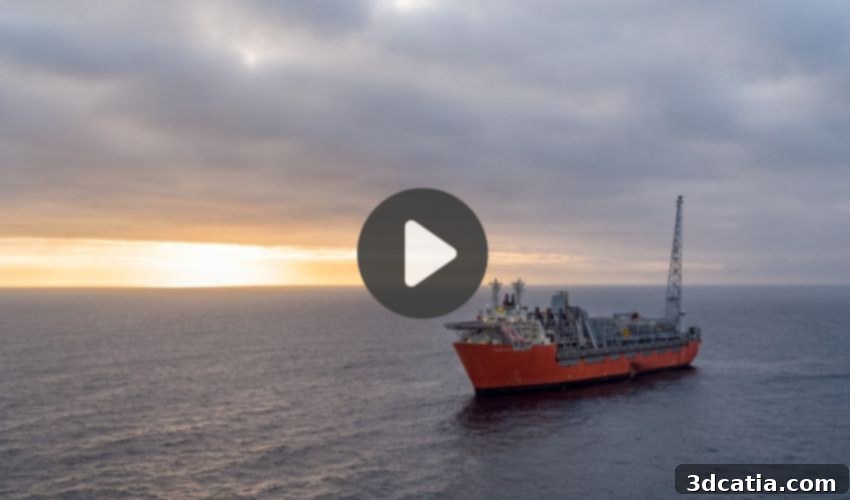
Top 1: The Offshore 3D Printing Revolution – Enhancing Resilience in Remote Operations
Our first stop takes us to the challenging, yet vital, environment of the North Sea, where 3D printer manufacturer Roboze is demonstrating a significant leap forward in industrial innovation. The accompanying video offers an exclusive look aboard an offshore rig, highlighting the integration of an advanced industrial 3D printer as a permanent and invaluable asset. This isn’t just about placing a machine; it’s about fundamentally transforming operational logistics and ensuring greater resilience in one of the world’s most demanding industrial landscapes. The ability to deploy robust 3D printing technology directly at the point of need represents a paradigm shift for remote industrial sites, offering immediate solutions to complex problems.
Interviews with the dedicated crew members reveal the profound impact this on-site additive manufacturing capability has on daily operations. Previously, securing critical spare parts for complex machinery in such a remote location was a logistical nightmare, often involving lengthy delays, exorbitant shipping costs, and significant downtime that could cost millions. With an industrial 3D printer on board, the rig can now fabricate essential replacement parts on demand, dramatically reducing lead times from weeks or months to mere hours or days. This capability extends beyond simple repairs; it allows for the rapid creation of customized tools, jigs, and components precisely tailored to immediate needs, fostering a new era of self-sufficiency and operational agility.
Furthermore, the ability to utilize high-performance, specialized materials, often reinforced polymers, specifically engineered to withstand the brutal northern storms, corrosive marine environments, and constant vibrations, is a game-changer. These robust materials ensure that 3D printed components are not only quickly produced but also incredibly durable, meeting the stringent safety and performance standards required in the energy sector. Roboze’s pioneering work in this area isn’t merely solving existing problems; it’s signaling a profound paradigm shift for the entire maritime and offshore industry. This integration of industrial 3D printing is a testament to how additive manufacturing is charting the future of global industries, enabling unprecedented agility and efficiency even in the most isolated and hostile conditions. It underscores the potential of digital fabrication to decentralize manufacturing, optimize supply chains, and bolster operational security and sustainability worldwide, making remote operations more viable and cost-effective.
Top 2: Sustainable Living – Recycled Bottles Transform into 3D Printed Houses
From the rugged seas, we transition to the sun-drenched landscapes of California, where innovative sustainable construction is taking root. In a compelling video featuring Kirsten Dirksen, we are introduced to Azure, a pioneering company based in California that is redefining affordable and eco-friendly housing. Azure’s groundbreaking approach centers on utilizing recycled materials, specifically plastic waste, to 3D print complete residential structures. This initiative not only addresses the critical need for sustainable building practices but also offers a tangible solution to the global challenge of plastic pollution, transforming what was once considered waste into valuable resources for constructing durable and livable homes. It’s a powerful example of how additive manufacturing can contribute to a circular economy and promote environmental stewardship.
The video provides an in-depth exploration of the unique aesthetic and advanced construction process behind these recycled abodes. Viewers gain a firsthand perspective on the intricate details, structural integrity, and architectural flexibility of these homes, guided by company co-founder Ross Maguire. He elaborates on Azure’s distinctive modular construction style, a method that allows for rapid fabrication and assembly, significantly reducing both construction time and labor costs. This modularity also offers immense flexibility in design, enabling the creation of custom homes or annexes that can be tailored to specific needs, preferences, and site conditions, all while maintaining a strong commitment to environmental sustainability and efficiency.
A truly remarkable aspect of Azure’s innovation is the promise of constructing a complete home in as little as one day, often for less than $50,000. This unparalleled efficiency is achieved through the precise and automated nature of large-scale 3D printing combined with the innovative use of recycled plastic composites, which are both sturdy and readily available. Imagine the profound impact this could have on addressing the acute housing shortages prevalent in many regions and providing accessible, sustainable living options for communities worldwide. Beyond the impressive speed and cost-effectiveness, these homes contribute significantly to a healthier planet by diverting vast quantities of plastic waste from landfills and oceans, showcasing a powerful synergy between cutting-edge technology, economic viability, and ecological responsibility. Witnessing this process in action reveals a future where sustainable living is not only attainable but also remarkably efficient, aesthetically pleasing, and environmentally conscious.
Top 3: Precision Manufacturing – The Synergy of SLS Printing and Thermoforming
Our third highlight delves into the technical intricacies of advanced manufacturing, specifically exploring the powerful combination of Selective Laser Sintering (SLS) 3D printing with thermoforming. A revealing video from Mayku illustrates how these two distinct yet complementary technologies can work in perfect tandem, significantly enhancing the capabilities of rapid prototyping and low-volume production across various industries. The core innovation lies in leveraging SLS 3D printing to create highly robust and exceptionally precise templates or molds for the thermoforming process. This integration opens new avenues for product design and manufacturing efficiency, offering unparalleled accuracy, repeatability, and faster turnaround times for complex geometries.
The video meticulously explains why SLS technology is an ideal partner for thermoforming. Firstly, the broad range of materials available for SLS printing, often durable nylon-based powders such as PA11 and PA12, yields parts with excellent mechanical properties, high heat resistance, and superior structural integrity. These characteristics are crucial for molds that must withstand the significant heat and pressure inherent in thermoforming without deforming or degrading, ensuring consistent quality throughout the production run. Secondly, the inherent precision and resolution of SLS 3D prints—achieved through the layer-by-layer fusion of powder particles—allows for incredibly intricate geometries, fine details, and remarkably smooth surface finishes. This directly translates to higher quality and more detailed thermoformed parts, as the mold’s fidelity is perfectly transferred to the final product. Furthermore, the ability to print complex internal structures and optimize material usage through SLS minimizes post-processing requirements for the molds themselves, accelerating the entire product development and production cycle.
Beyond demonstrating the fundamental principles, Mayku goes a step further by providing invaluable practical tips for professionals and enthusiasts looking to implement this powerful method in their own processes. These insights cover critical aspects such as effective strategies to avoid warping during the SLS printing process, advanced techniques for achieving superior surface finishing on the printed molds, and comprehensive guidance on selecting the optimal SLS materials to maximize the quality, durability, and longevity of your thermoforming tools. Understanding these nuances is key to unlocking the full potential of this powerful combination, enabling users to produce complex, high-quality prototypes and even functional end-use parts with greater speed, flexibility, and cost-effectiveness. This collaborative approach between SLS printing and thermoforming exemplifies how additive manufacturing continues to push the boundaries of traditional production workflows, offering versatile and highly efficient solutions for a myriad of industrial applications, from consumer products to medical devices.
Top 4: Culinary Innovation – The Sweet Science of 3D Printed Sugar Creations at Sugar Lab
Moving from robust industrial applications to the realm of gastronomic delight, our fourth video takes us into the innovative kitchens of Sugar Lab, an LA-based “cyberconfectioner” prominently featured on an episode of Hello World with Ashlee Vance. This captivating segment explores the truly creative, artistic, and delicious side of edible 3D printed creations, challenging conventional notions of dessert and confectionery. For many, the concept of a “3D printed dessert” might initially evoke skepticism or profound curiosity, raising questions about taste, texture, and aesthetic appeal. If you’re among those who approach this idea with a dose of doubt, you’re certainly not alone—but prepare to have your preconceptions delightfully shattered and your imagination stirred by the possibilities.
Join Ashlee Vance as he embarks on a fascinating culinary journey, experiencing firsthand the vibrant colors, intricate geometries, and surprising taste sensations of a truly unique 3D printed gastronomic experience. The video offers an exclusive, behind-the-scenes look at the meticulous process of designing and manufacturing these exquisite candies and edible sculptures. Utilizing a custom binder jetting 3D printer, Sugar Lab transforms granulated sugar into breathtaking edible art pieces, architectural delights, and personalized treats. This specialized additive manufacturing technology allows for unprecedented levels of detail, complexity, and customization that are virtually impossible to achieve through traditional confectionery methods, opening up a new frontier for personalized, artistic, and experiential desserts.
The binder jetting process for sugar involves depositing a liquid binding agent, often flavored and colored, onto layers of powdered sugar, meticulously building up the desired form layer by layer. This enables the creation of complex, multi-layered structures, delicate lattice work, and even bespoke flavor or color combinations within a single intricate piece. Beyond the visual spectacle, the focus remains firmly on taste and texture, ensuring that these innovations are not just novelties but genuinely delicious and enjoyable culinary experiences. The potential for customization is enormous, from bespoke wedding favors and corporate gifts with embedded logos to unique restaurant desserts that offer a truly memorable and interactive dining experience. By the end of this captivating video, viewers are invited to consider whether this sweet glimpse into the future of food technology and personalized gastronomy might convert them into enthusiastic proponents of the 3D printed bonbon, ready to explore a world where art, science, and confectionery seamlessly merge through the power of additive manufacturing.
Top 5: Enhancing Efficiency – 3D Printing for Organized Ale at The Alementary
After indulging in sweet treats, it’s only fitting to conclude our weekly roundup with a practical application that combines the joys of a cold beverage with the satisfaction of a perfectly organized workspace. Our final feature takes us behind the scenes to The Alementary, a craft brewery where an ingenious use of 3D printing is significantly improving operational efficiency and overall workplace organization. For those who appreciate both the meticulous craft of brewing and the satisfying art of organization, this video offers a uniquely compelling and satisfying insight into how simple yet remarkably effective additive manufacturing solutions can make a substantial difference in a professional setting, regardless of industry size or complexity.
The video provides a fascinating glimpse into the often-unseen aspects of brewery operations, specifically focusing on the challenges related to distribution logistics, inventory management, and internal organization. Blake, a forward-thinking member of The Alementary team, introduces his novel solution to a common, age-old organizational problem faced by many businesses dealing with a wide array of components, tools, and supplies. Rather than investing in expensive, generic, and often imperfect off-the-shelf storage solutions that might not perfectly fit their specific needs, Blake brilliantly leveraged the power and flexibility of a consumer-grade 3D printer to custom-design and produce bespoke organizational tools and fixtures. This approach demonstrates remarkable foresight, creativity, and a pragmatic understanding of how technology can solve specific, localized problems with perfectly tailored solutions.
The impact of this “little project” is anything but small; it’s a testament to the transformative power of iterative design and on-demand fabrication. By creating custom holders for various parts, specialized dividers for storage bins, bespoke labeling systems, and unique racks for specific brewing equipment, the brewery has been able to dramatically optimize its storage space, reduce clutter, and streamline workflows. This translates directly into increased productivity, fewer misplaced items, a safer working environment, and a more efficient overall operation for the brewing team. It’s a compelling example of how accessible 3D printing technology, combined with a creative problem-solving mindset, can empower individuals and businesses of all sizes to develop highly effective, cost-efficient, and perfectly integrated solutions for their unique operational needs. The story from The Alementary powerfully illustrates that 3D printing isn’t just for high-tech industries or complex prototypes; it’s a versatile, democratic tool that can bring tangible benefits to everyday workplace challenges, proving its value from a small craft brewery to much larger enterprises. Next time you enjoy a perfectly poured pint, perhaps you’ll reflect on the innovative journey, sometimes aided by clever 3D printed solutions, that brought it to your glass.
We hope you’ve thoroughly enjoyed this week’s journey through the forefront of 3D printing innovation. From strengthening critical offshore operations and building truly sustainable, affordable homes to perfecting advanced manufacturing processes, creating delectable edible art, and optimizing brewery logistics, the immense versatility and transformative power of additive manufacturing continue to astound and inspire. Which of these compelling applications resonated with you the most, or sparked your imagination for future possibilities within your own industry or daily life? We’d love to hear your thoughts and engage in a lively discussion!
Share your favorite video or insights in the comments section below, or connect with us across our social media platforms to stay updated and join the conversation. You can find us on LinkedIn, Facebook, and Twitter for ongoing updates, industry news, and community discussions. To ensure you never miss out on the latest advancements, breakthrough stories, and essential news in the rapidly evolving 3D printing world, be sure to sign up for our free weekly Newsletter here, delivered directly to your inbox. For a visual archive of all our features, tutorials, and captivating demonstrations, head over to our comprehensive YouTube channel. Keep exploring the endless potential of 3D printing with us!
*Cover Photo Credits: AkerBP