
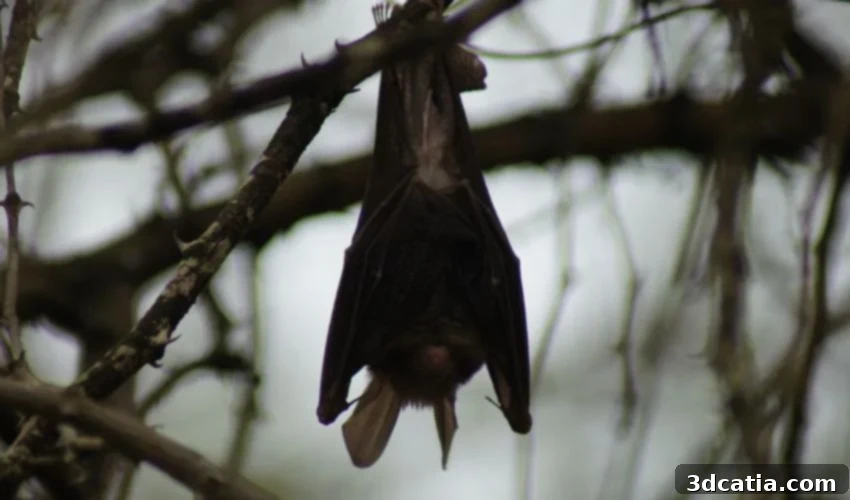
3D Printing Biodegradable Habitats: A New Era for Endangered Bat Conservation
Additive manufacturing, commonly known as 3D printing, is rapidly emerging as a transformative technology in the field of endangered animal conservation. Its ability to create complex, customized structures with precise material control is opening new avenues for protecting vulnerable species worldwide. Earlier this fall, 3Dnatives highlighted the innovative use of 3D printed bird decoys designed to encourage nesting among endangered seabirds, showcasing the technology’s potential to influence wildlife behavior positively. Building on this momentum, just last week, the Oak Ridge National Laboratory (ORNL) unveiled its groundbreaking work involving biomaterials to 3D print artificial nesting structures specifically tailored for endangered bats. This initiative represents a significant leap forward, addressing critical challenges faced by bat populations through sustainable and technologically advanced solutions.
The Critical Role of Bats in Ecosystems and Their Vulnerability
The Oak Ridge National Laboratory is strategically located in Tennessee, a state that serves as a vital habitat for several species of endangered tree-roosting bats. Although often overlooked due to their nocturnal nature, bats are indispensable components of healthy ecosystems. Their ecological contributions are vast and profound, extending far beyond what many might realize. According to data from the United States Geological Survey (USGS), bats provide invaluable pest control services, saving U.S. agriculture billions of dollars annually by consuming vast quantities of insects. Estimates for these savings range dramatically, from 3.7 to an astounding 53 billion dollars per year. This figure doesn’t even account for the immense economic and ecological benefits derived from bats controlling insect populations in forests, or their crucial role as pollinators for numerous crops and plants. Their activities help maintain biodiversity, support agricultural productivity, and prevent the spread of insect-borne diseases.
Despite their critical importance, bat populations across the globe are facing unprecedented threats. Habitat loss, primarily due to deforestation and human encroachment, is a major driver of their decline. Furthermore, diseases like White-Nose Syndrome, a fungal infection devastating bat colonies in North America, have decimated populations at an alarming rate. Climate change, pesticide use, and human disturbance also contribute to their vulnerability. Protecting these fascinating creatures is not merely an act of compassion; it is an ecological imperative with far-reaching implications for human well-being and the planet’s health. Therefore, innovative conservation strategies are desperately needed to reverse their decline and ensure their survival for future generations.
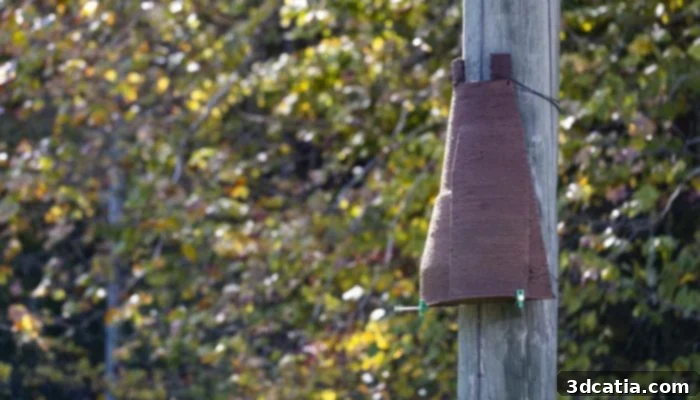
A prototype of the 3D printed nesting site for bats, designed to mimic natural habitats (Photo credits: Carlos Jones/ORNL, U.S. Dept. of Energy)
The Limitations of Traditional Bat Roosts and the Risk of Overcrowding
In an effort to bolster endangered bat populations, conservationists have historically deployed traditional artificial nesting sites, often referred to as bat houses. These man-made structures are typically constructed from wood or other common building materials and are strategically placed to offer alternative roosting options. While many of these traditional nests have proven successful in attracting bats, they frequently come with unforeseen and significant drawbacks. One of the primary issues is their efficacy can be *too* great; they can attract an excessive number of bats, leading to overcrowding. Furthermore, once a colony settles into these durable, traditionally manufactured shelters, the bats tend to remain there indefinitely, showing little inclination to relocate.
Evin Carter, a wildlife ecologist at ORNL, articulates the gravity of this problem: “Attracting a large number of an endangered species to one area carries significant risks, from disease transmission to catastrophic weather events, which could wipe out the entire population.” Overcrowding in artificial roosts exacerbates several threats. High population densities create ideal conditions for the rapid spread of pathogens, particularly devastating for species already vulnerable to diseases like White-Nose Syndrome. It also increases competition for limited resources, potentially leading to stress and reduced reproductive success. Moreover, a single, stable roost site makes the entire colony susceptible to a localized disaster, such as a severe storm, fire, or even targeted predation, thereby undermining the very goal of conservation by concentrating risk rather than mitigating it. The lack of natural dispersal mechanisms in these artificial environments prevents the healthy circulation of populations, which is vital for genetic diversity and resilience.
3D Printing: A Sustainable Solution for Bat Conservation Through Biomaterials
So, how does 3D printing nesting structures offer a revolutionary solution to these complex conservation challenges? The innovation primarily lies in the strategic selection and application of materials. In a tree-roosting bat’s natural habitat, environmental cues such as decaying bark, changing thermal properties, or the presence of predators periodically signal the need to seek new shelter. This natural migratory behavior is crucial for circulating bat populations, preventing the risks associated with overcrowding, and ensuring the health and resilience of the colony. The traditionally manufactured nesting structures, often made from durable synthetic materials or highly treated wood, decay so slowly that these vital environmental signals are absent or severely delayed, causing bats to become static and overpopulate a single location.
By contrast, ORNL’s innovative 3D printed artificial nesting structures are engineered to directly address this limitation. They are crafted from a novel composite material consisting of pine wood flour and polylactic acid (PLA) polymer – a fully biodegradable material. This choice of biomaterial is a game-changer. Pine wood flour provides a natural, porous texture and aroma, mimicking the actual composition of trees. PLA, derived from renewable resources like corn starch or sugarcane, is not only environmentally friendly but also designed to biodegrade under specific conditions, gradually decaying over time. This controlled degradation is key: it provides the necessary environmental cues that encourage bats to periodically seek new roosts, replicating the natural cycle of dispersal and relocation that is vital for population health and genetic flow. Furthermore, 3D printing allows for precise control over the internal geometry and external surface features of the roosts, enabling designs that can mimic natural crevices and optimize thermal regulation for bats, enhancing their comfort and safety. This level of customization is virtually impossible with traditional manufacturing methods.
Oak Ridge National Laboratory’s Groundbreaking Research and Future Outlook
The researchers at ORNL have meticulously designed their artificial nesting structures not only to mimic natural habitats but also to intentionally limit the number of bats per roost. This design consideration is critical for mitigating the risks of disease transmission and overcrowding that plagued traditional bat houses. By controlling the internal dimensions and entry points, these 3D printed structures can prevent large colonies from forming in a single location, promoting healthier, more distributed populations. ORNL has successfully printed a prototype of these innovative roosts, and the next crucial phase involves rigorous testing of its biodegradability under real-world conditions. The ultimate goal is for these advanced roosts to decay at a more natural rate, providing bats with temporary, yet effective, shelter that encourages their natural migratory patterns.
Xianhui “Andy” Zhao, a specialist in biobased materials at ORNL, emphasized the importance of the ongoing research: “The next step is to test the composite’s long-term properties, such as how well it degrades in various environmental conditions and its acceptance by bat populations.” This comprehensive testing will include monitoring the rate of material degradation, evaluating its structural integrity over time, and observing bat colonization and behavior within the 3D printed roosts. The interdisciplinary team at ORNL, combining expertise in wildlife ecology, advanced materials science, and additive manufacturing, is committed to refining these structures to ensure their long-term effectiveness and sustainability. This pioneering work by ORNL exemplifies how advanced manufacturing technologies, coupled with deep ecological understanding, can create truly sustainable and impactful conservation solutions. To delve deeper into ORNL’s groundbreaking work, you can read their official press release here and watch their informative video below.
The Broader Impact of Additive Manufacturing on Wildlife Conservation
The success of projects like ORNL’s 3D printed bat habitats underscores the immense potential of additive manufacturing in transforming wildlife conservation efforts globally. Beyond creating specialized shelters, 3D printing enables the production of custom-fit prosthetics for injured animals, intricate replicas for educational purposes, and even tools for ecological research in remote locations. The ability to prototype quickly, iterate designs based on biological feedback, and utilize a wide array of materials – including environmentally friendly biomaterials – positions 3D printing as an indispensable tool for future conservationists. This technology allows for unprecedented flexibility and precision, moving away from one-size-fits-all solutions towards highly tailored interventions that respect the delicate balance of natural ecosystems. As the technology continues to evolve, we can expect to see even more innovative applications emerge, offering hope for many other endangered species facing similar habitat challenges and threats. Collaborative efforts between scientists, engineers, and conservationists will be key to unlocking the full potential of these advanced manufacturing techniques for the benefit of biodiversity worldwide.
What do you think of these innovative 3D printed nesting structures for bats? We invite you to share your thoughts and insights in a comment below, or engage with us on our social media channels including LinkedIn, Facebook, and Twitter. Don’t forget to sign up for our free weekly Newsletter here to receive the latest 3D printing news straight to your inbox! You can also find all our compelling videos on our dedicated YouTube channel for more engaging content.
*Cover Photo Credits: ORNL Video