
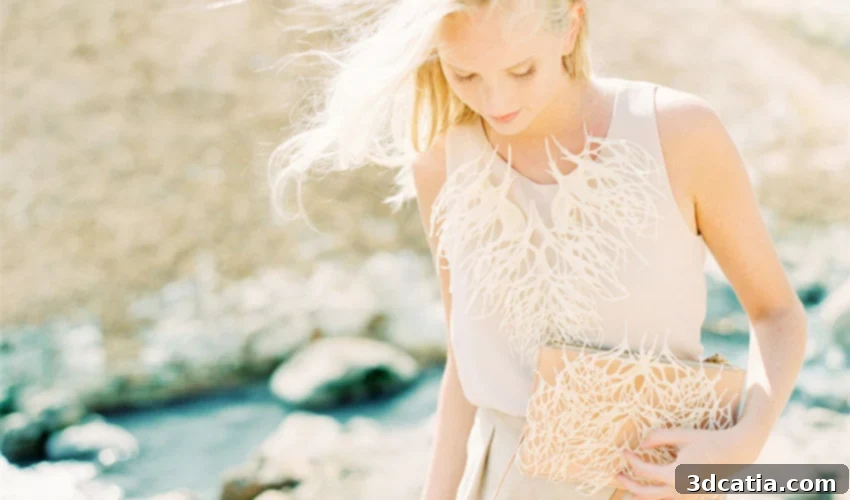
From Black Panther to Haute Couture: Julia Körner’s Visionary Approach to 3D Printing in Design
3D printing, once confined largely to industrial prototyping and manufacturing, has dramatically expanded its reach, transforming various creative fields with its innovative capabilities. Today, this revolutionary additive manufacturing technology is no longer a niche tool but a vibrant medium for designers, architects, and artists across the globe. We witness its profound impact in sectors as diverse as construction and architecture, pushing boundaries and inspiring a new generation of creatives. Among these pioneering individuals, Julia Körner stands out as a leading visionary, seamlessly integrating 3D printing into her interdisciplinary design practice.
Körner’s distinctive work has garnered international acclaim, notably showcased in the critically acclaimed Hollywood blockbuster *Black Panther*. Her stunning 3D-designed costumes for the film captivated audiences and sparked widespread discussion about the future of digital fabrication in entertainment. Beyond their narrative significance, these intricately crafted garments highlighted the immense potential of additive manufacturing to create complex, unprecedented forms. Having previously explored the groundbreaking nature of these creations, we sought to delve deeper into their genesis. Who better to illuminate this creative process than Julia Körner herself? We had the distinct privilege of an exclusive interview with the accomplished Austrian designer, gaining profound insights into the vast and innovative spectrum of her work.
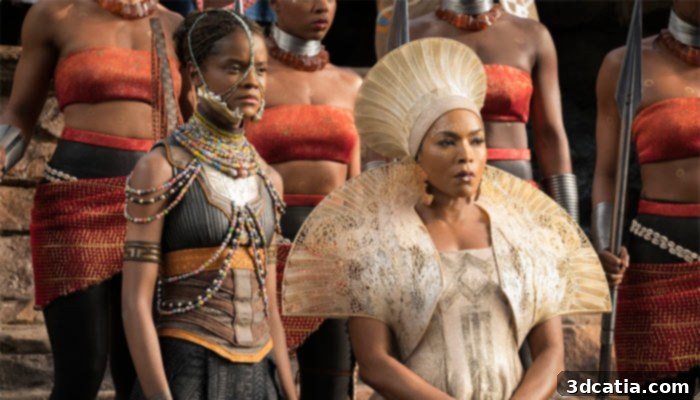
Julia Körner collaborated with costume designer Ruth E. Carter to develop stunning 3D printed elements for Queen Ramonda’s costume in *Black Panther* (© Marvel Disney)
3DN: Can you introduce yourself and elaborate on your journey into the interdisciplinary world of 3D printing, especially as it spans architecture, product design, and fashion?

A compelling self-portrait of the internationally renowned designer (© Pia Clodi)
I am a designer known for my interdisciplinary approach, working across architecture, product, and fashion design. My professional life currently oscillates between my studios in Salzburg and Los Angeles. Over recent years, my research projects have intensely focused on the application of 3D printing and various digital production methods. This dedication has led to international awards, with my work being exhibited and published in prestigious museums and institutions worldwide. As the founder and managing director of JK Design GmbH in Salzburg, I’ve had the privilege of collaborating on significant projects, including developing 3D printed fashion pieces for renowned haute couture houses at Paris Fashion Weeks, and contributing to high-profile productions such as the Hollywood film *Black Panther*.
My academic background is rooted in architectural design, holding a Master in Architecture from the University of Applied Arts, Vienna, and a Master in Emergent Technologies & Design from the Architectural Association, London. This robust foundation in digital and architectural theory has been instrumental in shaping my design philosophy. Since 2012, I’ve also been dedicated to educating the next generation of designers at the University of California, Los Angeles (UCLA) at the Institute of Architecture, sharing my expertise in advanced design and fabrication.
My foray into 3D printing began during my architectural studies in Vienna in 2005. I initially used the technology for the precise implementation of complex digital designs in model making. 3D printing offered an unprecedented ability to translate intricate geometries developed on the computer into tangible forms with remarkable ease and accuracy, effectively removing the traditional limitations of physical model construction. The boundless complexity achievable through this method immediately fascinated me, opening up new avenues for architectural expression.
Following my architectural studies, I further explored 3D printing in product manufacturing at Ross Lovegrove Studio in London, where I worked as a project designer between 2007 and 2012. This period solidified my fascination with realizing digital designs in 1:1 scale using additive technology. It became clear to me that fashion, in essence, represents architecture on the most intimate scale – the direct space that envelops the human body. This realization ignited my passion for fashion design, viewing it as a profound avenue to advance digital design and 3D printing beyond rapid prototyping, pushing it firmly into the realm of manufacturing and wearable art. This journey from large-scale structures to personal garments allowed me to explore the nuances of material, form, and human interaction through digital fabrication.
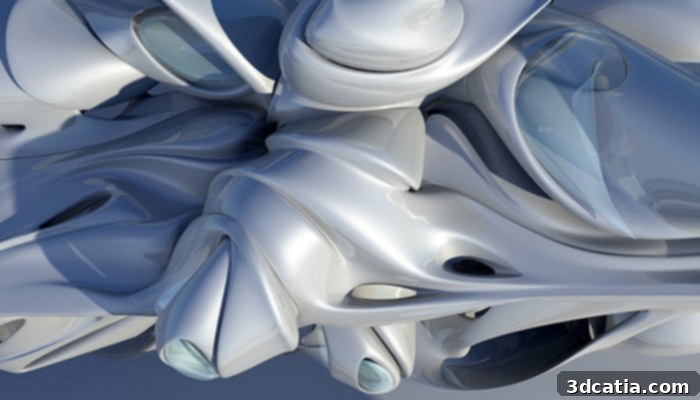
Julia Körner strategically applies 3D printing across fashion, product design, and architectural innovation (© Julia Körner)
3DN: Which 3D printers and specific technologies do you primarily utilize to bring your diverse projects to life?
My engagement with 3D printing spans nearly fifteen years, during which I’ve become intimately familiar with a wide array of printing techniques and experimented extensively with various materials. This includes Stereolithography (SLA), which uses a UV laser to cure liquid resin; Selective Laser Sintering (SLS), where a laser melts powdered material layer by layer; and Fused Deposition Modeling (FDM), which extrudes thermoplastic filaments. This broad experience has allowed me to select the optimal technology for each unique project. I’ve had the invaluable opportunity to collaborate with some of the world’s foremost 3D printing companies. A significant milestone was in 2013 when I designed the first dress printed in a truly flexible material, produced by the pioneering Belgian company Materialise 3D. At that nascent stage, this innovative material was so new it didn’t even have a commercial name, highlighting the cutting-edge nature of the work.
For my fashion endeavors, I predominantly rely on Selective Laser Sintering (SLS) technology. The process involves a powerful laser selectively fusing layers of polymer powder, creating robust yet flexible objects. The resulting material possesses a remarkable elasticity, which is crucial for wearable garments. By meticulously designing intricate filigree mesh structures, I can emulate the delicate drape and movement of traditional textiles. This allows for the creation of unique textures and patterns that are simply unattainable through any other conventional manufacturing process, offering unparalleled freedom in form and intricate detail for haute couture and avant-garde fashion pieces.
- Joint work by Julia Körner & Iris Van Herpen from 2014 (© Michel Zoeter)
- Designed in 2013 by Julia Körner & Iris Van Herpen (© Michel Zoeter)
- An extraordinary dress by Julia Körner & Iris Van Herpen created in 2012 (© Michel Zoeter)
My first truly ready-to-wear collection, entirely produced using 3D printing technology, debuted in 2015 under the name “Sporophyte.” For this collection, the designs were printed by Stratasys utilizing their PolyJet technology, which allows for multi-material and multi-color printing with exceptional detail. I’ve also engaged in pivotal collaborations with some of Paris’s most distinguished haute couture houses, as well as with leading Dutch designer Iris Van Herpen and Austrian designer Marina Hoermanseder. These partnerships have seen me create groundbreaking 3D printed fashion elements and complete designs for their collections. These collaborative ventures are integral to my overarching vision. They powerfully demonstrate the profound and growing influence of new, future-oriented technologies like 3D printing in shaping the landscape of contemporary fashion, pushing the boundaries of what is aesthetically and functionally possible.
3DN: What significant advantages do you perceive in utilizing 3D technology compared to traditional working methods within your industries?
The advantages of 3D printing in design are multifold and transformative. Many of the more than thirty 3D printed garments I have digitally designed serve as captivating showpieces. These artistic creations frequently grace haute couture fashion shows in Paris, commanding attention with their innovative forms, and are exhibited in esteemed institutions worldwide, such as the Metropolitan Museum in New York, the Tallinn Architecture Biennale in Estonia, or the FRAC Center in Orleans, France. These garments transcend mere clothing; they are objects of art, prioritizing intricate form and conceptual exhibition over everyday wearability, demonstrating the pure artistic potential of the technology.
However, my interest has also evolved, particularly with my own newer collections. I’ve increasingly focused on developing 3D printed clothes that are not only aesthetically unique but also genuinely wearable. The goal is to create pieces that can be directly sold to customers for special occasions, bridging the gap between avant-garde art and accessible, yet extraordinary, fashion. This shift highlights the technology’s capacity to move from conceptual experimentation to practical, high-end consumer products, expanding the market and perception of 3D printed apparel.
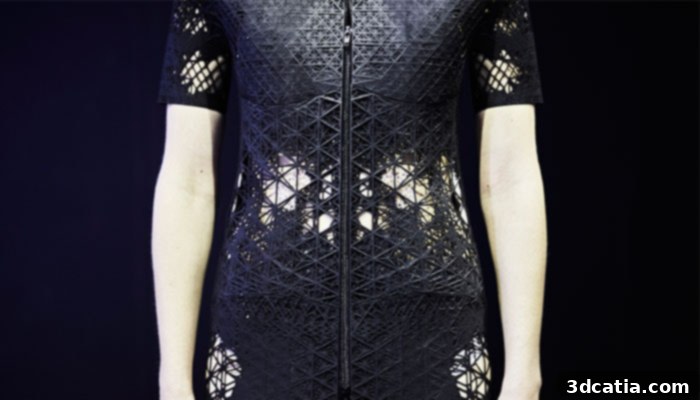
A unique and striking design by Julia Körner from 2016, engineered for wearability in modern life (© Sophie Kirchner).
The process of digitally designing clothes on the computer, particularly for 3D printing, is a highly specialized and often time-intensive endeavor. It demands extensive experience, deep technical know-how, and a mastery of advanced software. After conceptualizing and digitally creating these intricate structures using visual programming and sophisticated 3D modeling techniques, the next stage involves the physical production. I often print prototypes and smaller patterns directly in my studio, allowing for rapid iteration and refinement. For larger or more complex components, the digital files are then securely transmitted to specialized printing facilities in locations like Belgium, the Netherlands, or the USA. Upon receiving the prints, I sometimes undertake further refinement, coloring, or finishing touches before meticulously sewing them onto textiles or incorporating them as standalone structural elements. This hybrid approach, combining digital craftsmanship with traditional textile work, significantly enhances the quality, movement, fluid drape, and overall durability of the finished fashion garments and accessories.
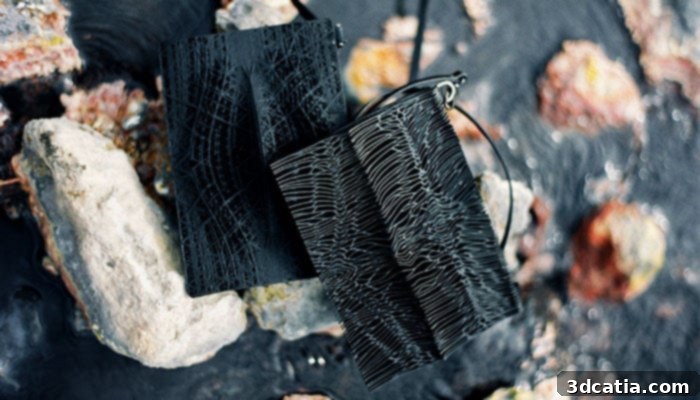
Showcasing the “Hymenium & Venus” bag from Julia Körner’s captivating “Iceland Collection” (© Pia Clodi).
One of the most compelling advantages of digital fabrication is the reproducibility inherent in having a digital file. Once a complex design file is created, it can be printed repeatedly, without incurring the additional labor costs typically associated with handcrafting each individual couture piece. This represents a monumental shift in the economics and scalability of high-end design. Furthermore, 3D printing offers significant logistical benefits; instead of physically shipping large, bulky items internationally, designers can simply transmit digital files via email for local production. This drastically reduces shipping costs, carbon footprint, and production lead times. Moreover, 3D printing is a powerful enabler of mass customization, allowing for bespoke creations tailored to individual customer specifications without overhauling production lines. It also opens promising avenues for sustainable practices, particularly with the potential for recycling plastic materials and minimizing waste, thereby positioning 3D printing as a key driver for environmentally conscious approaches within the fashion industry.
3DN: What future projects are you planning to realize, and what are your aspirations regarding the continuous evolution of 3D printing technology?
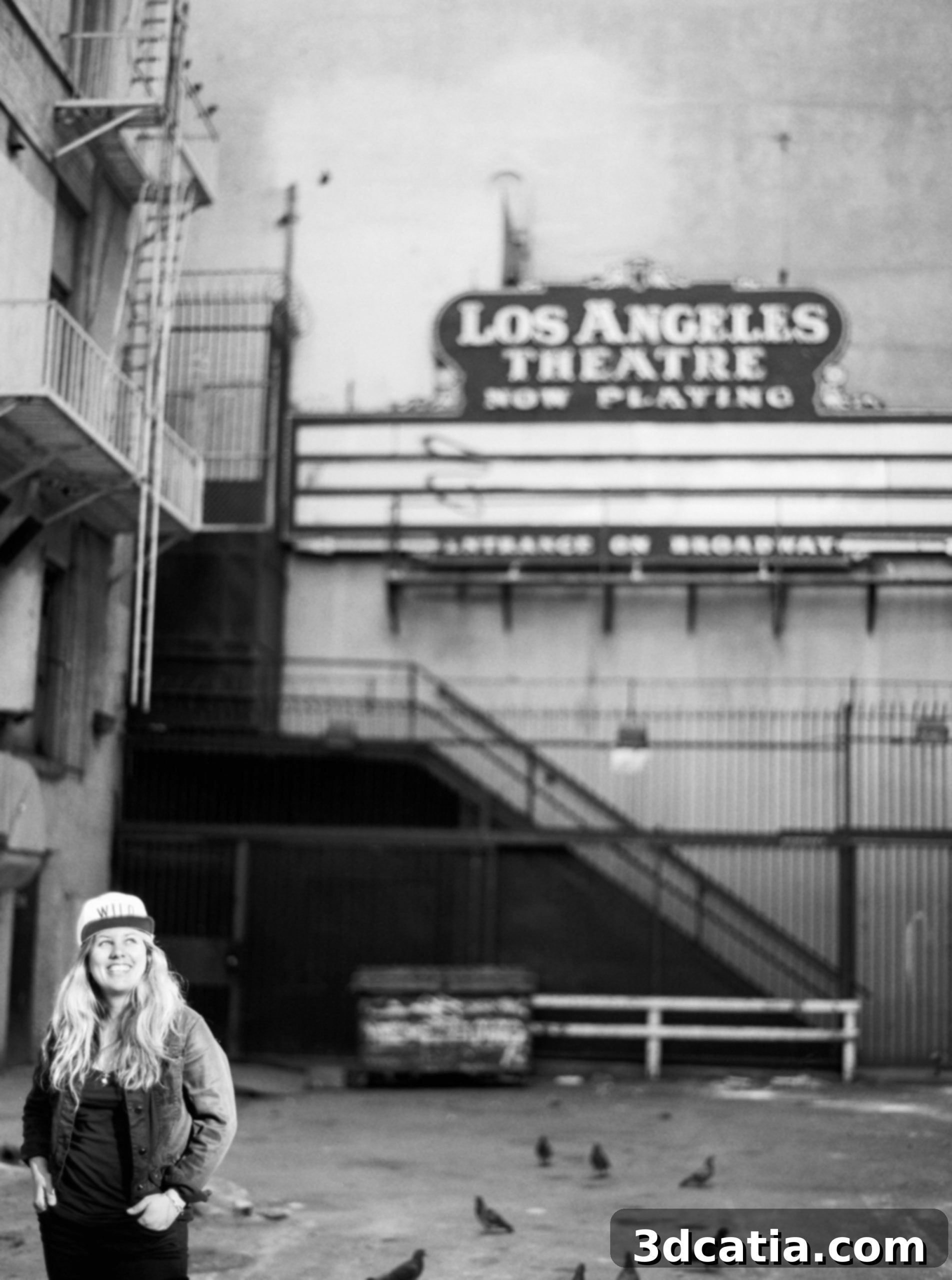
(© Pia Clodi)
The horizon is filled with exciting prospects. Recently, I completed work on costumes for a new cinematic release slated for 2019, which promises to showcase further advancements in 3D printed film attire. This represents just one of many burgeoning opportunities in this creative direction. Simultaneously, I am diligently working on an entirely new collection for my eponymous JK label, which I eagerly anticipate unveiling next autumn. Looking ahead, my greatest hope for the future of 3D printing revolves around the development of novel materials. I envision materials that are even more flexible, durable, and versatile, enabling designers to create with greater ease and pushing the boundaries of what is currently achievable. Such advancements would unlock unprecedented design freedom and open up entirely new categories of products and garments.
Concurrently, at UCLA, my students and I are engaged in groundbreaking research exploring the possibilities of 3D printing with porcelain, utilizing large, multi-axis robotic arms. This is an incredibly thrilling area of study, as it addresses the challenge of scaling additive manufacturing to architectural dimensions and durable material applications. The potential for this technology to create large-scale, complex ceramic structures with unparalleled precision could revolutionize not only architectural components but also product design, offering sustainable and aesthetically rich solutions for the built environment and functional objects alike.
3DN: What are your personal insights regarding the future trajectory of 3D design within the dynamic film industry?
I foresee immense potential for 3D design to profoundly influence the film industry. The technology is exceptionally well-suited for the creation of intricate 3D printed ‘props’ and highly detailed costumes. Traditionally, physical costumes are often meticulously scanned into 3D models for later digital editing or to facilitate the integration of visual effects. However, if the design originates as a native 3D file, this entire scanning step can be bypassed. This not only streamlines the production pipeline but, crucially, yields a significantly higher resolution in the detail of the costume, allowing for an unprecedented level of intricacy and realism on screen.
Beyond technical resolution, the ability to generate multiple variations of costumes digitally provides a substantial creative advantage. It becomes much easier to visualize and iterate upon different design options, facilitating faster working practices and fostering more fluid and efficient communication among the creative team, including illustrators and costume designers. My distinctive aesthetic, often inspired by organic forms and natural geometries, provides fresh and innovative design ideas that would be impossible to realize through traditional means. 3D printing allows these complex, nature-inspired forms to be brought to life with precision and structural integrity, offering unparalleled visual richness to the cinematic experience.
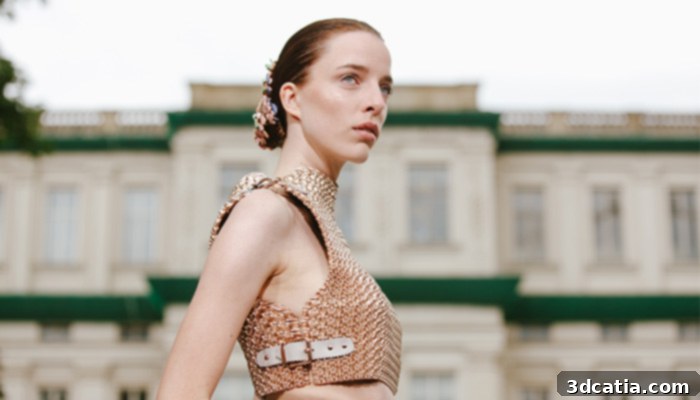
An exceptional, avant-garde top created through 3D printing, a collaboration between Julia Körner & Marina Hoermanseder (© Marina Hoermanseder)
3DN: Do you have any final words or insights you’d like to share with our readers?
In recent years, I’ve frequently encountered certain misconceptions or “myths” surrounding 3D printing, and I’d like to address a few of them briefly to offer a clearer perspective on the reality of this technology.
The first pervasive myth is that it’s simply a matter of *“just pressing print.”* This phrase is often used casually, suggesting a simplistic, effortless process. **However, within the highly specialized field of 3D printing where I operate, this is emphatically not the case.** The development of complex 3D files for intricate designs demands a significant investment of time, expertise, and resources—often comparable to, or even exceeding, the meticulous effort involved in crafting a handmade couture dress. For some of my digital designs, I’ve dedicated several months to working with sophisticated computer programs, engaging in iterative processes, and collaborating closely with project managers and engineers from leading 3D printing manufacturers. It is only through their invaluable technical knowledge, combined with my many years of rigorous architectural study and the wealth of experience gained from numerous diverse projects, that I have been able to acquire the necessary proficiency to conceptualize and realize these incredibly complex structures using this advanced technology.
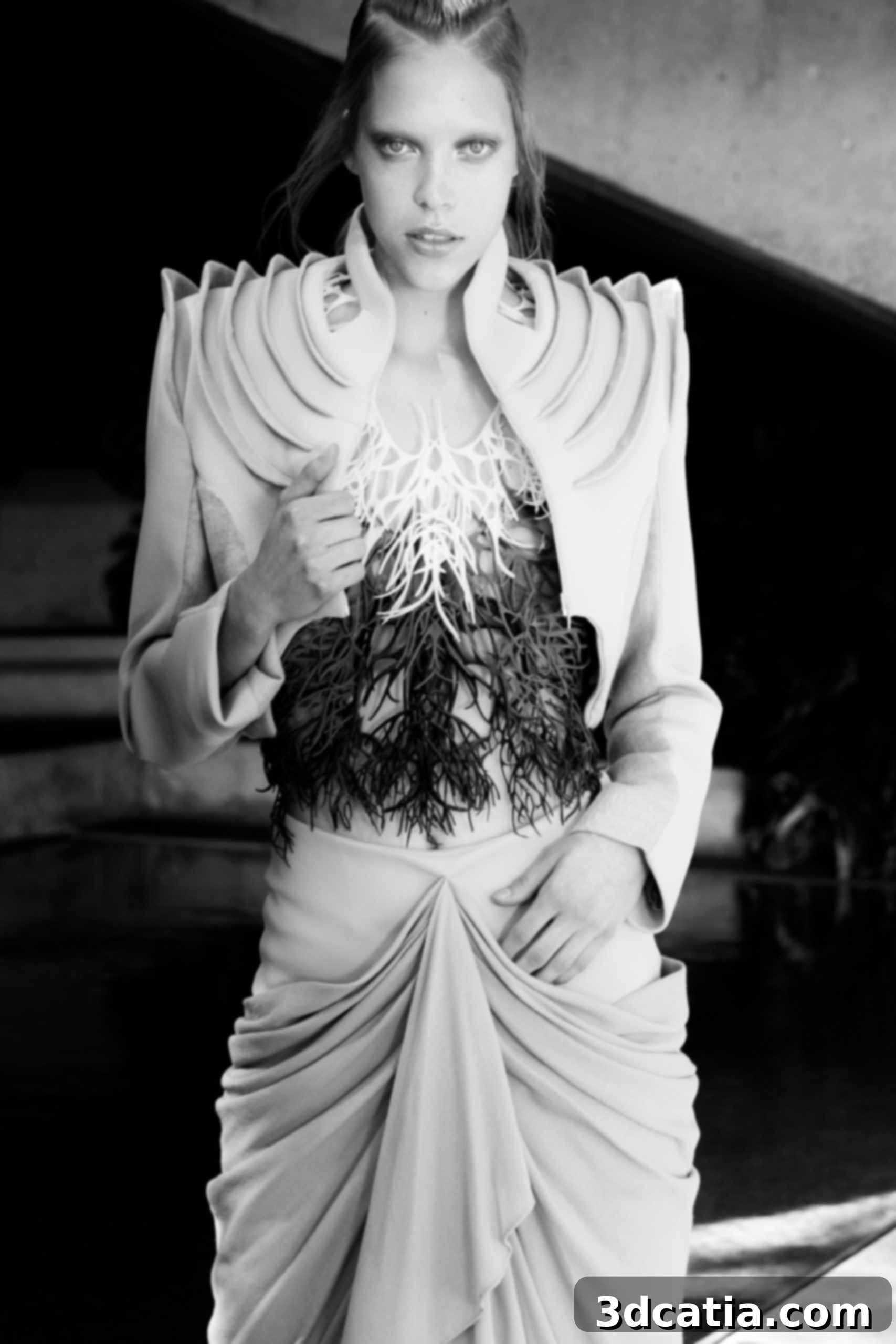
From the Sporophyte Collection 2015 by Julia Körner (© Ger Ger for SCHÖN!)
Next, there’s the myth that *“the machine designed it.”* While this might sound appealing or futuristic in interviews, it simply doesn’t reflect the reality of the creative process. No 3D design is automatically generated by a computer without human input. Instead, the designer is the architect of the creation, meticulously developing the design on the computer with the aid of sophisticated digital tools. Or, they skillfully optimize a program to ensure it generates precisely the aesthetics and structural forms they envision. Any program capable of automatically shaping structures is, at its core, written and guided by a designer’s intent. Every form, every curve, every intricate detail is digitally modeled by the designer, who consciously guides the computer mouse and manipulates parameters to achieve their vision. **There is no such thing as truly “automatic design” in this context.** Only designers who possess a deep mastery of computer-controlled design techniques can genuinely claim to have designed their own 3D creations, marrying artistic vision with technical proficiency.
Finally, the third myth I want to address is the blanket statement, *“it’s 3D printed.”* The current pervasive hype surrounding 3D printing technology has unfortunately led some, including certain renowned fashion designers, to use this term inaccurately or deceptively. **It is crucial for consumers and enthusiasts alike to understand that not everything you read or hear about is genuinely 3D designed and printed.** Discerning the authenticity of 3D printed claims is important for appreciating the true innovations in the field and avoiding misleading narratives. Genuine 3D printing involves a complex process of digital design, material selection, and precise additive manufacturing, resulting in objects that possess unique properties and forms unattainable through other means.
It will undoubtedly be fascinating to witness which pioneering projects Julia Körner embarks on next. The mystery surrounding the film for which the designer has created new 3D printed costumes will likely continue to build anticipation until its release. For those eager to delve deeper into the extraordinary body of work by Julia Körner and stay updated on her latest innovations, more information can be found on her official website.
Copyright Picture title: © Sophie Van der Perre
What are your thoughts on the revolutionary impact of 3D printing in design, particularly in fashion and film? We invite you to share your insights in a comment below or join the conversation on our Facebook and Twitter pages! Don’t forget to sign up for our free weekly Newsletter to receive all the latest news, trends, and breakthroughs in 3D printing delivered directly to your inbox!