
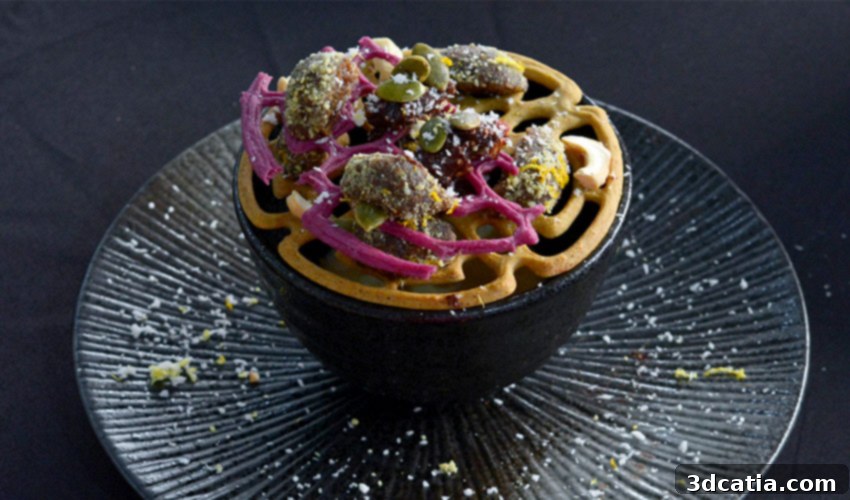
Revolutionizing Food: How 3D Printing is Tackling the Global Food Waste Crisis
The persistent challenge of global food waste has been significantly amplified by the scale of modern mass food production. From the initial stages of processing and distribution to the final act of consumption, an alarming amount of food is lost or discarded. According to comprehensive data from the Food and Agriculture Organization of the United Nations (FAO), a staggering one-third of all food produced for human consumption worldwide never reaches a plate, equating to roughly 1.6 billion tons annually. This monumental waste, especially in a world where millions still face chronic hunger and malnutrition, represents a profound ethical, environmental, and economic dilemma. It underscores an urgent need for innovative solutions that can transform our approach to food production and consumption.
Emerging from this challenge is a groundbreaking initiative led by Elzelinde van Doleweerd, a talented young entrepreneur and recent industrial design graduate from the Netherlands. Van Doleweerd has pioneered a revolutionary process that ingeniously recycles food materials destined for landfill, transforming them into valuable resources. Her project’s remarkable success and the innovative spirit behind it led to the establishment of Upprinting Food, a pioneering company dedicated to producing nutritious and appealing 3D printed snacks from repurposed food waste. This venture not only offers a tangible solution to food waste but also opens up exciting new possibilities for sustainable food systems.
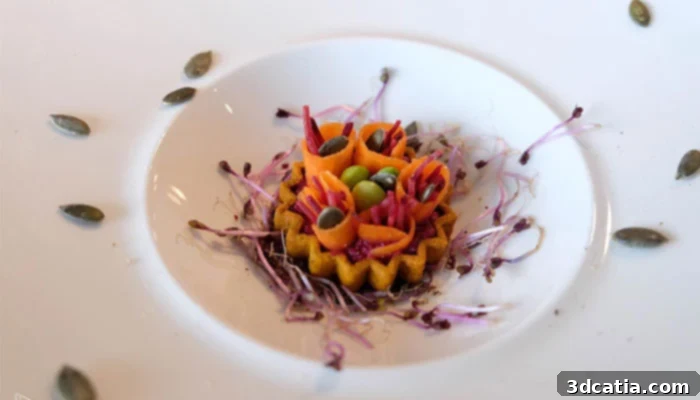
The Dawn of Sustainable Snacking: 3D Printing’s Role in Waste Reduction
While the concept of 3D printing food is not entirely new, with various initiatives exploring its potential, Upprinting Food distinguishes itself with a singular, impactful focus: reducing food waste. Many existing food 3D printing endeavors often center on creating customized dishes, enhancing nutritional profiles, or developing novel culinary experiences. For instance, we’ve seen innovations like Natural Machines’ Foodini 3D printer, which enables users to craft healthy and creative meals right in their kitchens. However, Elzelinde van Doleweerd’s vision for 3D printed food introduces a vital new purpose: targeting sustainability directly within the food industry by intercepting and valorizing food that would otherwise be discarded.
The environmental impact of food waste is immense, contributing significantly to greenhouse gas emissions, particularly methane from landfills. Economically, it represents a loss of resources, labor, and energy invested in producing food that goes uneaten. Socially, it highlights an inequality where abundance coexists with scarcity. Upprinting Food tackles these issues head-on by transforming overlooked food materials into desirable products. By converting items like stale bread or surplus fruits and vegetables into printable pastes, the company not only diverts waste from landfills but also gives these ingredients a renewed purpose and extended shelf life. This innovative approach offers a promising pathway towards a more circular and resilient food economy, demonstrating how advanced manufacturing technologies can be harnessed for profound ecological and societal benefits.
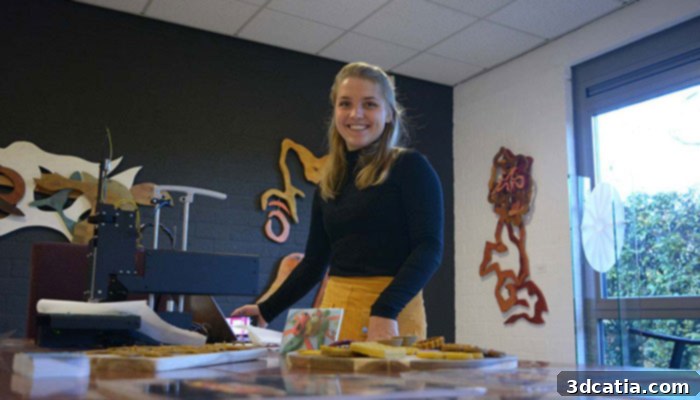
Elzelinde van Doleweerd, Founder of Upprinting Food
Elzelinde van Doleweerd’s Vision and the Innovation Behind Upprinting Food
Elzelinde van Doleweerd’s journey into sustainable food innovation began after a transformative period working in a restaurant in the Netherlands. It was during this time that she gained firsthand insight into the sheer volume of food waste generated daily, inspiring her to launch her ambitious food design project, which eventually evolved into Upprinting Food. Her initial experiments focused on creatively reusing various food materials, deliberately incorporating food waste into her culinary creations. She quickly identified that a significant portion of food waste isn’t due to spoilage in the traditional sense, but rather stems from issues related to transportation logistics, imperfect aesthetics, or items simply sitting on shelves past their prime for purchase. Often, these foods are perfectly edible but deemed undesirable by consumers.
Van Doleweerd eloquently explains, “When bread is old, it is dry and we do not like to eat it anymore. For this reason, I started with the development of a food paste with old bread.” This simple yet profound realization became the cornerstone of her method. Instead of discarding dry, stale bread, she developed a process to transform it into a malleable food paste suitable for 3D printing. This technique not only salvages food but also adds value by presenting it in an entirely new and appealing form. The act of pureeing food into a paste, and subsequently storing it in sealed containers, plays a crucial role in its preservation. This method significantly limits the food’s exposure to air, one of the primary catalysts for spoilage and microbial growth. By doing so, Upprinting Food effectively extends the shelf life of ingredients that would otherwise be prematurely discarded, thereby minimizing waste at multiple points in the food supply chain.
The process is not limited to bread alone; the philosophy can be applied to a wide array of food waste, including fruits, vegetables, and even certain grains that might be considered past their prime for conventional consumption. This versatile approach opens up vast possibilities for creating diverse and nutritious snacks, turning what was once a liability into a valuable asset. The integration of 3D printing technology allows for precise control over the texture, shape, and even the nutritional composition of these upcycled snacks, offering a new dimension of culinary creativity while adhering to strong sustainability principles.
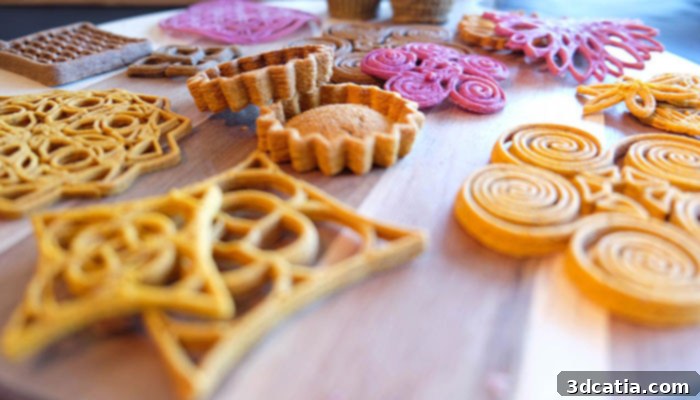
Global Expansion and Adapting to Local Food Waste Challenges
The innovative potential of Upprinting Food’s technology quickly gained international recognition, leading to a significant partnership with 3D Food Company, a technology-focused enterprise based in China. This collaboration marked a crucial step in expanding the reach and impact of Van Doleweerd’s vision. The primary objective of this partnership was to facilitate the manufacture of 3D printed snacks from food waste on a larger scale within China, a country where the issue of food waste is particularly pronounced due to its vast population and agricultural output. China, for instance, consumes massive quantities of rice daily, and a substantial, often overlooked, portion of this staple grain ends up being wasted.
Recognizing this specific challenge, Van Doleweerd saw a unique opportunity to adapt her methodology. She dedicated her efforts to developing a specialized printable food paste derived from rice waste, turning what would typically be discarded into a valuable ingredient for delicious and sustainable snacks. This strategic move highlights the adaptability and scalability of Upprinting Food’s core technology. It demonstrates that the principles of transforming food waste into 3D printable pastes can be tailored to address the specific dietary staples and waste streams prevalent in different regions around the globe. This localized approach is critical for making a meaningful impact on food sustainability worldwide, enabling the creation of eco-friendly food products that resonate with local tastes and tackle specific waste challenges.
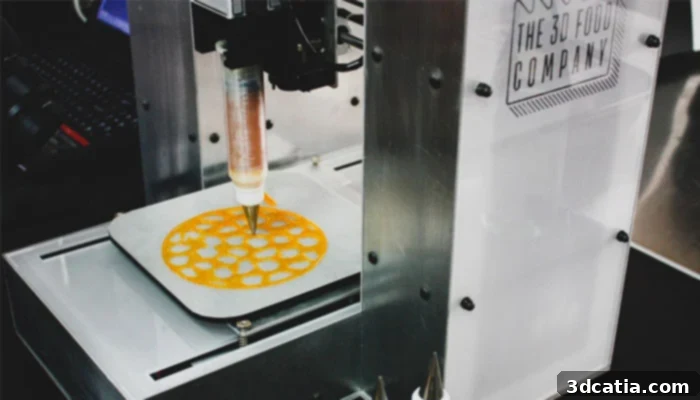
The collaboration in China represents more than just a business expansion; it’s a testament to the global applicability of this pioneering technology. By leveraging local resources and addressing specific waste challenges, Upprinting Food is setting a precedent for how food technology can contribute to a more sustainable and equitable food system on an international scale. The potential economic benefits are also considerable, as waste valorization can create new revenue streams and reduce the costs associated with waste disposal, fostering a more circular economy.
The Art of Upcycling: From Waste to Fine Cuisine and Future Innovations
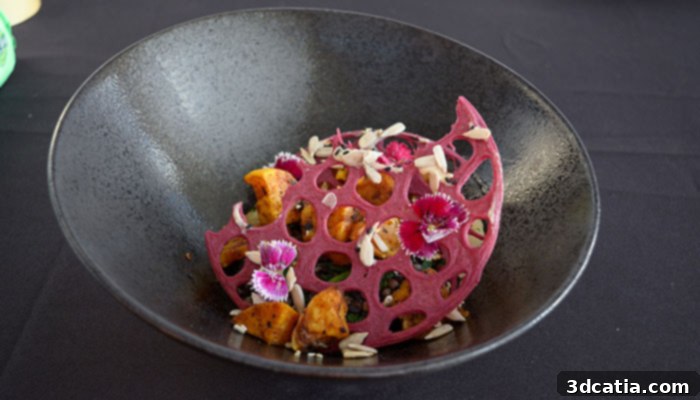
A few months prior, Elzelinde van Doleweerd captivated audiences at Beijing Design Week with an extraordinary exhibition of her creations. Attendees were treated to an array of beautifully crafted 3D printed food items, showcasing intricate geometric shapes and elegant bowls. What truly astonished many was the undeniable fact that these sophisticated, fine-dining-quality dishes were derived from ingredients that would typically be considered food waste. This demonstration vividly underscored the transformative power of Upprinting Food’s technology: turning discarded components into visually stunning and delicious culinary experiences, challenging perceptions of what “waste food” can become.
Beyond the aesthetic appeal, the underlying innovation lies in the versatility of the paste-based 3D printing method. The entrepreneur is continuously pushing the boundaries of this technology, actively developing new types of food pastes that cater to diverse dietary preferences and emerging market demands. A significant area of focus is the creation of pastes specifically intended for the growing vegan community, meticulously excluding animal-derived ingredients such as eggs and butter. This commitment aligns perfectly with the broader ethos of sustainability and ethical consumption that Upprinting Food champions. By broadening the range of ingredients, the company not only expands its product offerings but also enhances its appeal to a wider, health-conscious, and environmentally aware consumer base.
Van Doleweerd’s ongoing research and development involve extensive experimentation with various plants, fruits, and vegetables. This exploration aims to unlock an even richer palette of flavors, textures, and nutritional profiles for her 3D printed creations. The goal is to move beyond mere waste reduction and create genuinely appealing, nutritious, and innovative food products. Imagine snacks crafted from a vibrant beet paste, or delicate morsels flavored with rescued mango pulp – the possibilities are immense. This continuous innovation ensures that Upprinting Food remains at the forefront of the sustainable food movement, blending cutting-edge technology with culinary artistry to redefine our relationship with food. The future vision for Upprinting Food extends to wider distribution, making these sustainable snacks accessible to a broader consumer market, thereby significantly impacting global food systems by promoting circularity and resource efficiency.
Conclusion: A Sustainable Future, One 3D Printed Snack at a Time
The journey of Elzelinde van Doleweerd and Upprinting Food represents a beacon of innovation in the global fight against food waste. By ingeniously harnessing the power of 3D printing technology, they have not only devised a method to salvage billions of tons of otherwise discarded food but have also transformed it into something both desirable and sustainable. This groundbreaking approach offers a tangible solution to a pressing global issue, demonstrating how creativity, technology, and a commitment to sustainability can intersect to create profound positive change. From addressing the environmental burden of landfills to contributing to global food security, Upprinting Food’s model offers a glimpse into a more resource-efficient and circular food economy.
As we look towards the future, initiatives like Upprinting Food will play an increasingly vital role in shaping how we produce, consume, and manage our food resources. They inspire us to rethink waste not as an endpoint, but as a valuable beginning, full of untapped potential. The delicious and aesthetically pleasing 3D printed snacks are more than just treats; they are symbols of a paradigm shift, proving that sustainability can be palatable, profitable, and impactful. Supporting such innovative ventures is crucial for fostering a resilient food system that can meet the demands of a growing global population without compromising the health of our planet.
For more detailed information and to explore the fascinating world of sustainable 3D printed food, we invite you to visit the official Upprinting Food website HERE.
What are your thoughts on this incredible 3D printed food project and its potential to revolutionize food waste? Share your opinions and engage with us in a comment below or join the conversation on our Facebook and Twitter pages! Don’t forget to sign up for our free weekly Newsletter to receive all the latest news and innovations in 3D printing delivered straight to your inbox!