
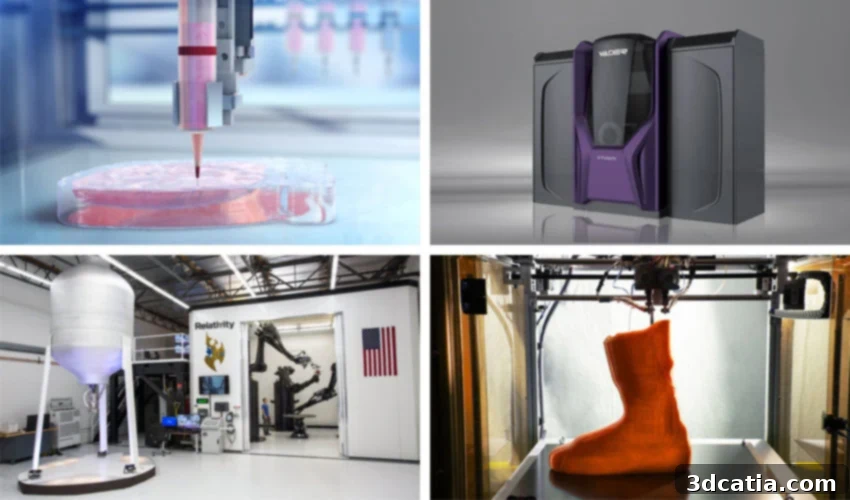
2018’s Breakthroughs in 3D Printing: Spotlighting the Year’s Top Startups Revolutionizing Additive Manufacturing
Every year, the landscape of additive manufacturing evolves at an astonishing pace, driven by groundbreaking innovations from visionary startups. At the close of 2018, we proudly reflected on the twelve remarkable companies that captivated our attention throughout the year, each introducing novel approaches to 3D printing. From sophisticated software solutions to revolutionary hardware, and applications spanning critical sectors like sports, construction, medicine, and aerospace, these ventures underscored the immense and diverse potential of 3D technology. Our ongoing commitment is to showcase these emerging pioneers, delving into their exciting applications across various industries and understanding how they are shaping the future. This retrospective offers a comprehensive look back at the twelve #3DStartups we featured in 2018, highlighting their unique contributions and the significant impact they began to make. As you explore their stories, remember to cast your vote for your favorite 3D startup of the year HERE!
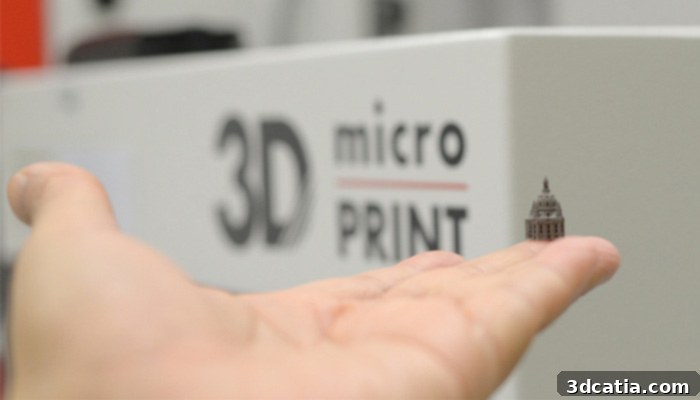
January: 3D MicroPrint – Precision on a Micro Scale
Kicking off 2018, we spotlighted 3D MicroPrint, a trailblazing startup born from a strategic cooperation between EOS GmbH and 3D-Micromac AG in 2013. This collaboration led to the development of a revolutionary new printing process designed to achieve exceptionally fine resolution in prints. Their proprietary “Microlaser Sintering (MLS)” technology seamlessly integrates additive manufacturing with industrial-grade laser micromachining. While similar in principle to conventional powder bed processes, 3D MicroPrint distinguishes itself by utilizing significantly smaller powder particle sizes, enabling unparalleled precision and detail. This innovation opens doors for applications requiring microscopic accuracy, such as medical devices, intricate electronics, and advanced micro-components. We had the exclusive opportunity to connect with their team to gain deeper insights into this groundbreaking company and its transformative technology.
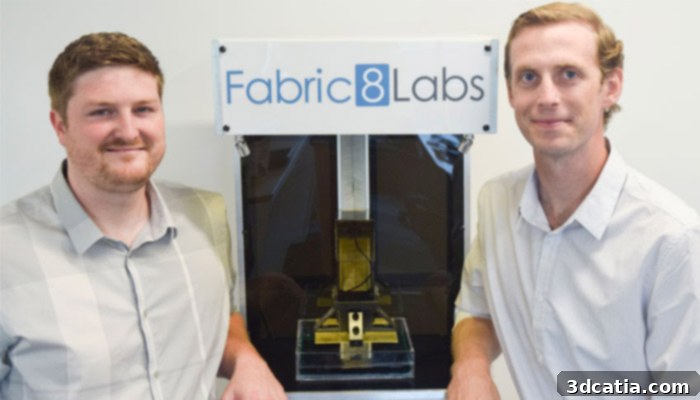
February: Fabric8Labs – Redefining Metal 3D Printing Quality
In February, our focus shifted to Fabric8Labs, a company founded by individuals who harbored a keen interest in 3D printing long before entering the business world. Frustrated by the prohibitive costs of existing metal additive manufacturing technologies, they embarked on a mission to forge their own path. Their unique metal printing approach combines electrode deposition with stereolithography, meticulously positioning material atom by atom. This innovative technique promises vastly superior quality in metal components, addressing long-standing challenges in material integrity and surface finish. Fabric8Labs’ 3D technology boasts a remarkably broad scope of potential applications, poised to make significant impacts across diverse industries including medicine, aerospace, and communications, where high-performance, precision metal parts are paramount.
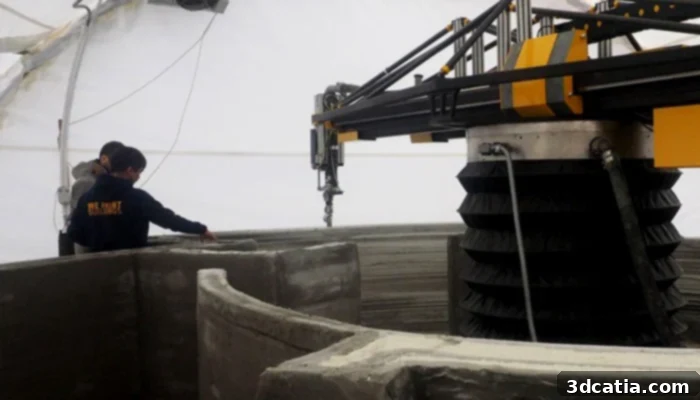
March: Apis Cor – Building Homes with Additive Speed
March brought us the incredible story of Apis Cor, a startup that achieved what seemed like a true revolution in construction: printing a complete house in a mere 24 hours. This Russian company developed a highly mobile 3D printing machine equipped with a detachable robotic arm capable of extruding concrete directly on-site. This groundbreaking method allows for the rapid construction of all walls for a 132m² house, directly at the building location. Apis Cor’s innovative technology aims to significantly minimize manual labor, automate time-consuming processes, optimize building material usage, and streamline the entire construction workflow. The startup proudly states that their approach can lead to an impressive 25-34% reduction in overall construction costs, offering a compelling solution for affordable and expedited housing development globally.
April: Relativity Space – 3D Printed Rockets for Space Exploration
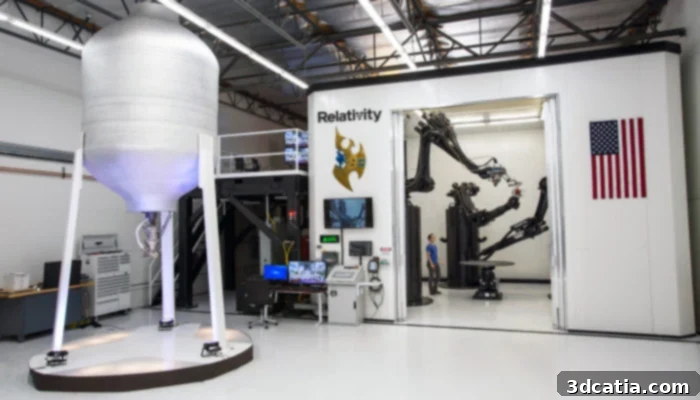
Additive manufacturing has been making inroads into space travel for several years, but in April, Relativity Space emerged as a leader in this high-stakes industry. This ambitious startup leveraged 3D printing to develop a method for creating entire rockets in an astonishing 60 days. Their vision includes an automated production facility that could potentially begin operations in just a few years. The founders aptly named their process the “Stargate Process,” emphasizing its ability to produce highly complex rockets both faster and more cost-effectively than traditional manufacturing. Furthermore, this innovative process dramatically reduces the number of individual parts required from approximately 100,000 in conventional rockets to just about 1,000, simplifying assembly and reducing potential points of failure. While still in advanced developmental stages, Relativity Space is rapidly closing the gap on its ambitious goal to revolutionize space launch vehicle production.
May: Identify3D – Protecting Intellectual Property in Additive Manufacturing
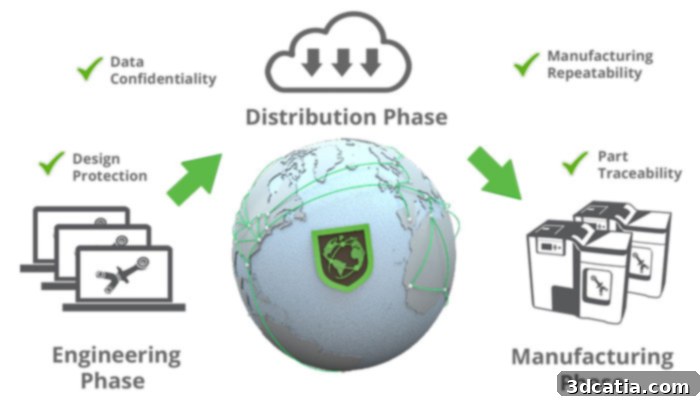
The rapid adoption of additive manufacturing brought a pressing challenge to the forefront in May: the critical issue of intellectual property protection. This concern is particularly acute in sensitive sectors such as medicine and aerospace, where designs are highly proprietary and valuable. Recognizing the absence of clear legal regulations in this evolving area, Identify3D stepped in with a much-needed solution. This innovative California-based company developed sophisticated 3D software specifically designed for the secure privacy of 3D models. Identify3D offers an end-to-end solution that safeguards data from the initial CAD model stage all the way through to manufacturing. Their comprehensive platform integrates robust data protection, ensures repeatability of production processes, and provides full traceability for every component. The core mission of Identify3D is to shield valuable design data, minimize production variances, and provide an auditable trail, thereby fostering trust and security in the distributed manufacturing ecosystem.
June: Vader Systems – Advancing Metal Additive Manufacturing with MagnetoJet™
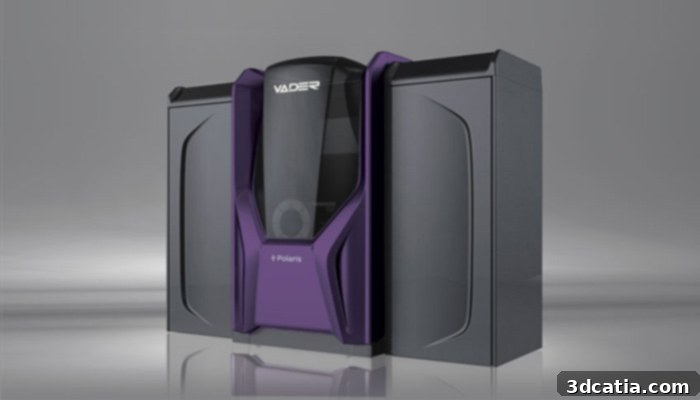
In June, we highlighted Vader Systems, a startup dedicated to helping companies navigate the complexities of additive metal processing and find technologies precisely tailored to their needs. This American company introduced a groundbreaking new technology: the MagnetoJet™. Vader Systems prides itself on collaborating closely with its customers, understanding their unique application requirements to deliver customized solutions. The MagnetoJet™ technology harnesses the power and precision of an electromagnetic field to accurately propel liquefied metal droplets. This innovative method enables the production of high-integrity, high-density metal objects with exceptional speed and at a reduced cost. The results are truly impressive, offering accuracies in the micrometer range at double the speed of many conventional processes. Vader Systems is setting new benchmarks for efficiency and precision in metal additive manufacturing.
July: Cubicure – High-Performance Polymers for Industrial Additive Manufacturing
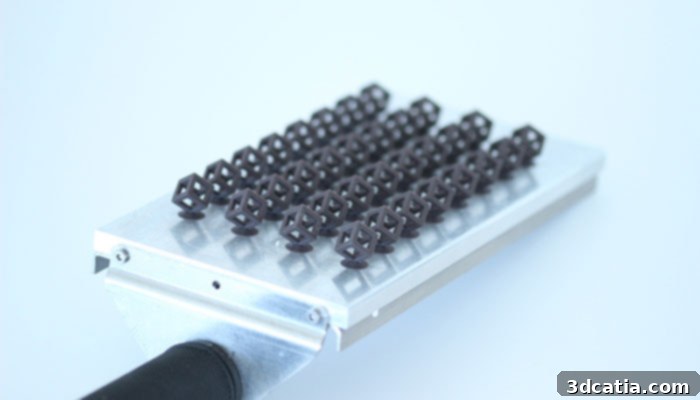
July’s spotlight shone on Cubicure, a young Austrian company that had already garnered innovation awards for its pioneering development of high-performance polymers for industrial additive manufacturing. Founded in 2015 as a spin-off from the Vienna University of Technology, Cubicure is intensely focused on research and development in thermoplastic materials. The company’s ambitious goal was to combine exceptional strength, accuracy, and surface quality with superior thermo-mechanical properties in 3D printed parts. They achieved this through their newly developed polymers, which are optimized for use with their self-developed printing process: “Hot Lithography.” This patented heating and coating mechanism is specifically engineered to process highly viscous resins, enabling the creation of components with robust performance characteristics previously unattainable with other resin-based methods. This innovative system is already integrated into their specially designed Caligma 200 3D printer, demonstrating their readiness to bring advanced material solutions to the industrial market.
August: Tailored Fits – Personalized Sports Equipment for Optimal Performance
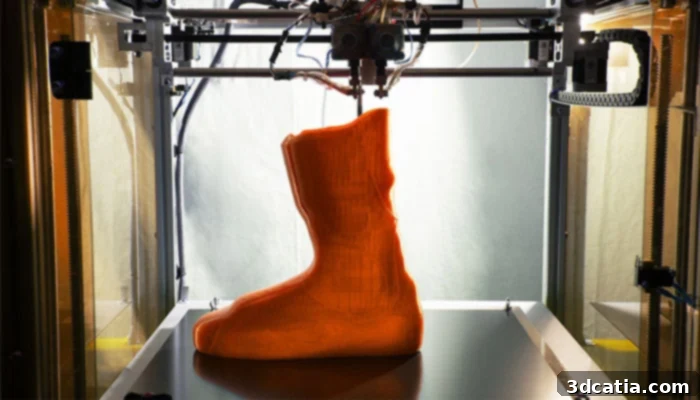
In August, we recognized the Swiss company Tailored Fits, which introduced a digital solution for additive industrial manufacturing within the sporting goods sector. Their ingenious innovation leverages both 3D scanning and 3D printing technologies to create custom, anatomically correct fits for sports shoes, protective equipment, and various other athletic gear. The primary objective is to enhance natural movement, alleviate potential pressure points, and prevent discomfort or pain, ultimately optimizing an athlete’s performance and comfort. The process begins with a precise 3D scan of the customer’s body data, which is then seamlessly integrated with biometric information to design a perfectly matched product. This meticulous approach ensures that the final product delivers an optimal fit and maximizes athletic potential, marking a significant step forward in personalized sports equipment.
September: AMendate – Streamlining Topology Optimization Software
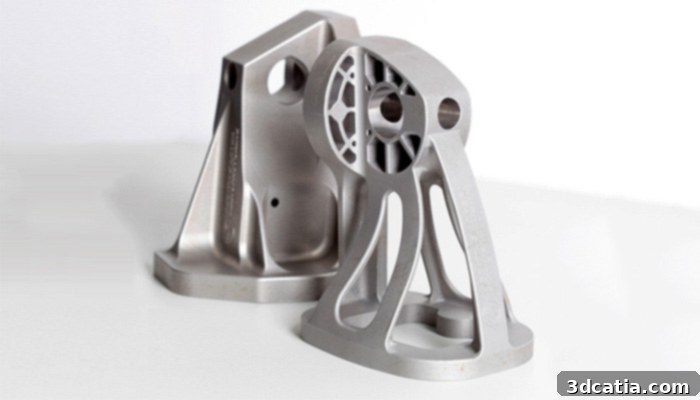
September’s featured startup, the German company AMendate, brought an exciting development to the software side of 3D technology. AMendate focuses on topology optimization software designed to generate 3D printable objects almost fully automatically. The company’s core philosophy centers on speed and simplicity for the user, democratizing access to complex design optimization. Their software aims to rapidly and efficiently generate optimized, complex structures without the need for extensive, manual effort. These designs are optimally adapted to specific load requirements while simultaneously minimizing material usage. A key element of AMendate’s software is its automatic interpretation capabilities, which then seamlessly transfer the optimized designs into common CAD formats, bridging the gap between advanced design algorithms and practical manufacturing workflows. This innovation promises to accelerate design cycles and reduce material waste in additive manufacturing processes.
October: BIOLIFE4D – Pioneering Organ Bioprinting for Medicine
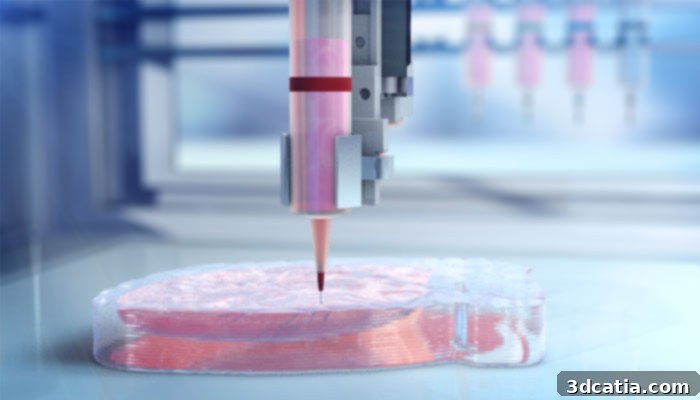
In October, we delved into one of the most profound challenges in modern medicine: the critically long waiting lists for donor organs. BIOLIFE4D emerged as a beacon of hope, working on a potential solution through the revolutionary field of bioprinting. This forward-thinking company had already identified immediate opportunities and successfully launched their bioprinted pacemaker to the market. Their ambitious long-term objective, however, is the 3D printing of a fully transplantable human heart. Unlike conventional 3D printing, which fuses materials with heat, BIOLIFE4D’s process builds structures from the ground up using living cells. A temporary scaffold holds these cells in place until the biological structure organically assembles itself and matures. With their pioneering technology, BIOLIFE4D aims to create viable organs not only for life-saving transplantation but also for critical drug testing, promising to save countless human and animal lives by addressing organ shortages and improving pharmaceutical research.
November: Virtual Foundry – Metal 3D Printing Accessible to FFF Users
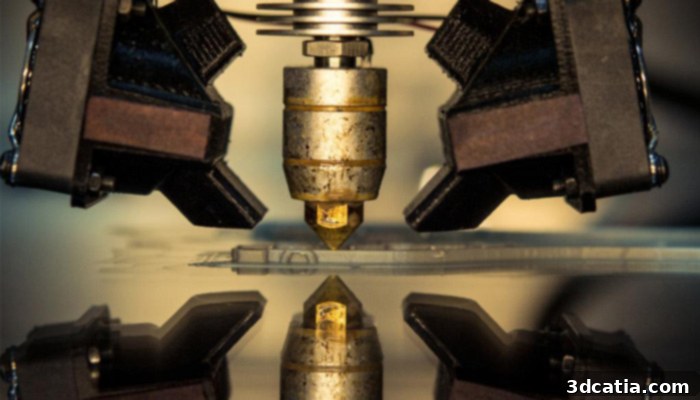
November’s highlight was The Virtual Foundry, an American startup revolutionizing metal 3D printing by making it accessible to a much broader audience through their innovative filaments. The company initially launched with their acclaimed Filamet™ line and has since been relentless in developing new materials and researching novel production methods for their unique offerings. The distinctive feature of the Filamet™ line is its composition: these filaments contain approximately 80% metal powder, cleverly encapsulated within a PLA binder, making them compatible with virtually any FDM (Fused Deposition Modeling) 3D printer. This ingenious design eliminates the need for specialized respirators or complex handling equipment, significantly lowering the barrier to entry for metal 3D printing. The Virtual Foundry already provides a wide array of metal filaments and actively collaborates with customers to develop specific solutions using a broad spectrum of materials, empowering creators and engineers to experiment with metal additive manufacturing like never before.
December: Yuyo – Sustainable 3D Printed Surfboards
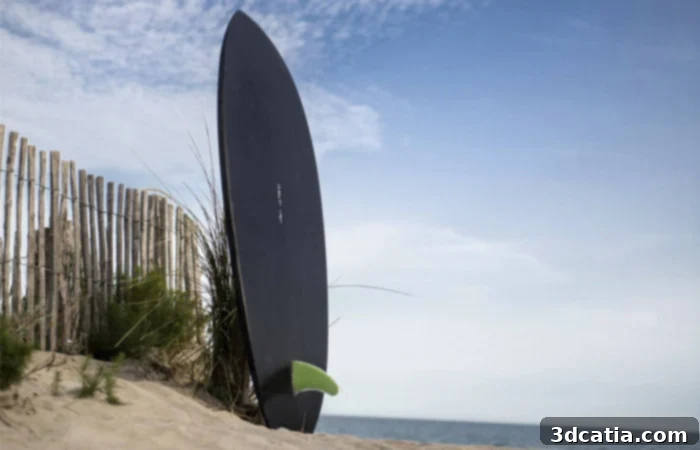
Closing out 2018, we introduced Yuyo, a French company tackling a fascinating paradox within the surfing community: how can surfers, deeply connected to nature, use equipment that is environmentally detrimental in its production? Traditional surfboard manufacturing is often characterized by significant waste, non-recyclable materials, and the use of toxic chemicals harmful to marine environments. Yuyo leveraged 3D printing to offer a compelling solution: locally produced, significantly more environmentally friendly surfboards. By utilizing additive manufacturing, Yuyo dramatically reduces production waste, and crucially, their materials are largely recyclable. Their boards, reaching a maximum height of 2.40 meters and a width of 64 cm, can be produced in 30 to 40 hours, representing a conscious effort to align the passion for surfing with sustainable manufacturing practices, making waves for a greener future in watersports.
As you can see, 2018 was an extraordinary year for innovation in 3D printing, marked by a diverse and dynamic range of startups pushing the boundaries of what’s possible. Each of these companies, from micro-precision printing to sustainable manufacturing, showcased immense potential to transform their respective industries. We invite you to reflect on these remarkable achievements and let us know which one you believe stands out as the #3DStartup of the year by casting your vote in our official #3DStartup of 2018 poll.
What groundbreaking advancements do you anticipate in the world of 3D innovation next year and beyond? Share your thoughts and predictions with us in the comments below or join the conversation on our Facebook and Twitter pages! Don’t forget to sign up for our free weekly Newsletter to receive all the latest news and insights in the fast-evolving field of 3D printing directly in your inbox!