
SavorEat and Sodexo Partner to Revolutionize US University Dining with 3D Printed Plant-Based Meat Alternatives
A groundbreaking collaboration is set to transform the landscape of university dining in the United States. Israeli startup SavorEat, a pioneer in developing innovative meat alternatives through advanced 3D printing technology, has officially announced a strategic partnership with Sodexo. This alliance will see Sodexo Operations, the American subsidiary of the global food services giant, introduce SavorEat’s unique gluten-free, kosher, and vegan products to university campuses across the nation. This move is particularly timely, as young students are increasingly conscious of their dietary choices, demanding more sustainable, ethical, and health-conscious options on their plates.
For SavorEat, this partnership represents a pivotal step in solidifying its footprint within the highly competitive U.S. market. It offers an invaluable opportunity to gauge consumer expectations, gather crucial feedback on product perception, and scale operations. At its core, SavorEat’s technology ingeniously utilizes 3D printing to arrange various plant cells, meticulously recreating the visual appeal, fibrous texture, and satisfying mouthfeel of traditional animal steak. By leveraging Sodexo’s extensive network and reach within educational institutions, SavorEat is poised to significantly boost its brand recognition and connect with an audience that is demonstrably more attuned to the environmental and ethical implications of conventional meat production and consumption.
The concept of “3D printed meat” has rapidly evolved from a futuristic notion into a tangible reality over the past few years, sparking considerable interest and investment. The increasing number of startups dedicating themselves to this innovative niche underscores the immense potential and growing market demand. SavorEat itself has demonstrated remarkable business acumen and investor confidence. A notable milestone occurred last December when the startup successfully raised an impressive 42.6 million Shekel (approximately $13,212,866.69 USD) following its public listing on the Tel Aviv Stock Exchange. This significant capital injection further empowered their research and development efforts, propelling their sophisticated 3D printing technology to new heights and setting the stage for their ambitious expansion plans.

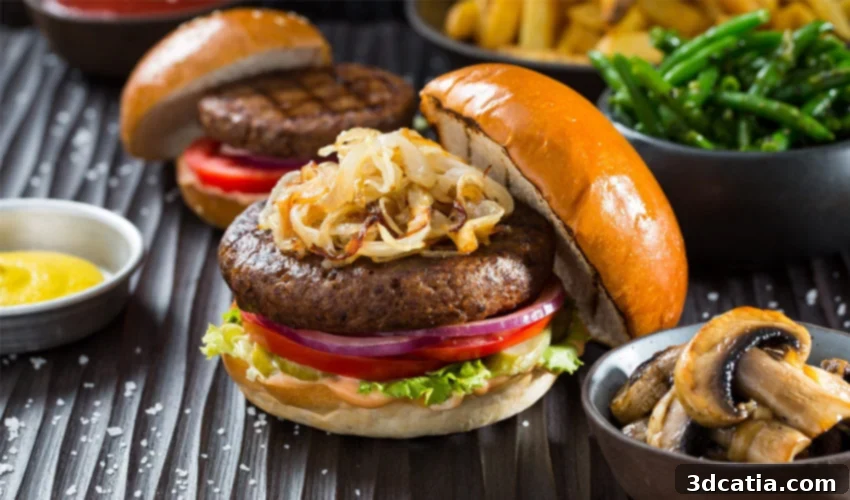
More and more companies are specializing in 3D printing of meat…without meat (photo credits: SavorEat)
SavorEat’s Ambitious Vision to Conquer the United States Market
The collaboration with Sodexo strategically positions SavorEat to directly engage with universities and, by extension, a highly influential younger demographic. Racheli Vizman, the visionary CEO of the Israeli startup, articulated the rationale behind this targeted approach, explaining, “The younger population is much more open to food technologies, to innovation, and to change the way we consume food.” This demographic is not just open to new ideas; they are actively driving the shift towards more sustainable and ethical consumption patterns. Vizman further underscored this point by referencing a recent survey, which revealed that a significant proportion – specifically, half of young Americans in their twenties – now identify as “flexitarians.” This term describes individuals who predominantly adhere to a plant-based diet while occasionally incorporating meat, highlighting a major demographic trend that SavorEat is uniquely positioned to cater to.
This partnership means that students frequenting the self-service restaurants and cafeterias of various American universities will soon have access to gourmet burgers crafted from SavorEat’s innovative vegetable steaks. These delectable burgers are constructed from proprietary plant-based nano-cellulose fibers, meticulously deposited layer by layer through an advanced extrusion process. This sophisticated additive manufacturing technique allows SavorEat to offer unparalleled customization. The company boasts the ability to precisely adjust the amount of protein, fat, water, natural flavors, and coloring, ensuring a tailored culinary experience. The resulting product is versatile, capable of being perfectly grilled or baked to achieve a desired finish. The ultimate outcome is a meat-like food product that not only offers a similar aroma and texture to conventional meat but also provides a satisfying and wholesome meal.
The Innovative Science Behind SavorEat’s 3D Printed Meat Alternatives
SavorEat’s pioneering approach goes beyond simple plant-based patties. Their technology represents a significant leap forward in food science and additive manufacturing. By leveraging 3D printing, they can create complex structures that replicate the intricate muscle fibers found in animal meat. This is achieved by precisely layering a blend of plant-based ingredients, primarily nano-cellulose fibers, along with other proteins and fats. Unlike traditional plant-based products that often rely on heavy processing and binders, SavorEat’s method allows for a more controlled and natural-looking output. This precision engineering means each “steak” or “burger” can have a customized internal structure, contributing to a more authentic mouthfeel and bite, distinguishing it from many existing meat substitutes on the market.
The ability to customize nutritional profiles – from protein content to fat levels – is a game-changer for catering to diverse health needs and preferences. This level of personalization makes SavorEat’s products particularly appealing for institutions like universities, which serve a vast student body with varying dietary requirements and health goals. Furthermore, the inherent versatility of the product, being suitable for grilling, baking, or pan-frying, ensures that it can be seamlessly integrated into existing kitchen workflows and menu offerings, providing chefs with flexibility and creative freedom.
Catering to the Evolving Dietary Landscape in University Settings
The decision to target university dining halls is strategically brilliant. College campuses are vibrant microcosms of society, often at the forefront of cultural and dietary shifts. Today’s university students are not just looking for convenient meals; they are actively seeking options that align with their values. This includes a strong emphasis on sustainability, ethical sourcing, health and wellness, and inclusive dietary choices. SavorEat’s gluten-free, kosher, and vegan offerings address a broad spectrum of these demands. The rise of veganism, vegetarianism, and the aforementioned flexitarian movement among young adults has created an undeniable market for high-quality, plant-based alternatives that do not compromise on taste or texture. Sodexo, as a leading food service provider, recognizes this shift and, through this partnership, can further enhance its reputation as an innovative and responsive caterer that genuinely understands and meets the needs of its student clientele.
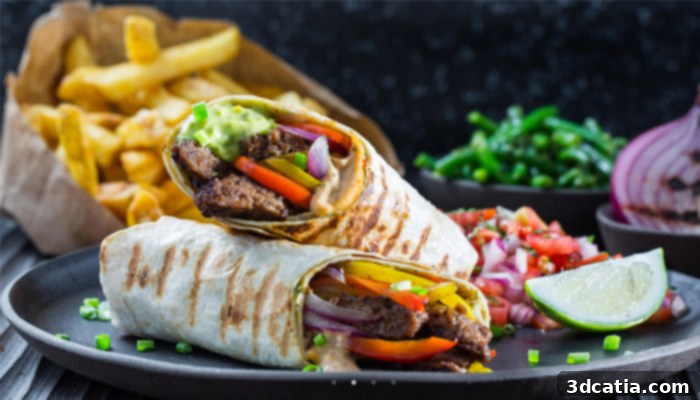
Photo Credits: SavorEat
Beyond meeting current demand, this initiative positions both SavorEat and Sodexo as leaders in fostering a more sustainable food system. The environmental impact of traditional meat production, including significant land use, water consumption, and greenhouse gas emissions, is a growing concern for many students. By offering delicious and satisfying plant-based alternatives, the partnership contributes to reducing this ecological footprint, aligning with the sustainability goals that many universities and their student bodies champion. It’s a win-win: students get more ethical and diverse meal options, and the universities can demonstrate their commitment to environmental stewardship.
The Future of Food: SavorEat’s Vision for Personalized Nutrition
Racheli Vizman articulated an even grander vision for the long-term impact of SavorEat’s technology. She concluded with an ambitious statement that the ultimate goal is for their specialized machine “to become the next microwave, a microwave that actually makes the food, in people’s home, easily, more cost-efficiently and everyone can eat how they want.” This powerful statement hints at a future where personalized food production is decentralized, moving from large industrial kitchens to individual homes. Imagine a device that allows consumers to print their desired meal, customizing every aspect – from nutritional content to flavor profile – at the touch of a button. Such a future promises unprecedented convenience, cost-efficiency, and unparalleled control over one’s diet. It could drastically reduce food waste, enable hyper-personalized nutrition plans for health management, and democratize access to diverse, high-quality food options.
This partnership with Sodexo, therefore, is far more than just a distribution deal; it marks a crucial developmental milestone for SavorEat. It provides the startup with a vital platform to test its innovative products in a real-world, high-volume environment, gathering invaluable consumer insights from a discerning American audience. The feedback from university students, who are often early adopters and vocal critics, will be instrumental in refining SavorEat’s offerings and guiding future technological advancements. This initial market penetration is a stepping stone towards Vizman’s vision of widespread adoption, potentially revolutionizing how we conceive of and consume food in our daily lives. As SavorEat continues to innovate, the potential for 3D printed, customizable, plant-based meals to become a staple in homes and institutions alike grows exponentially.
To delve deeper into the fascinating 3D printing process and the innovative minds behind SavorEat, interested readers are encouraged to visit the official SavorEat website. The journey of food technology is just beginning, and companies like SavorEat are at the forefront, shaping a more sustainable, ethical, and personalized culinary future for everyone.
*Thumbnail Photo Credits: SavorEat
What are your thoughts on this groundbreaking collaboration between SavorEat and Sodexo? Do you believe 3D printed plant-based meat will become a staple in our diets? Share your insights and opinions in a comment below or join the conversation on our Facebook and Twitter pages! Don’t miss out on the latest advancements in food technology and 3D printing – remember to sign up for our free weekly newsletter to receive all the cutting-edge news straight to your inbox!