
Pioneering Aviation Maintenance: Satair Delivers First Certified 3D Printed Metal Spare Part for A320
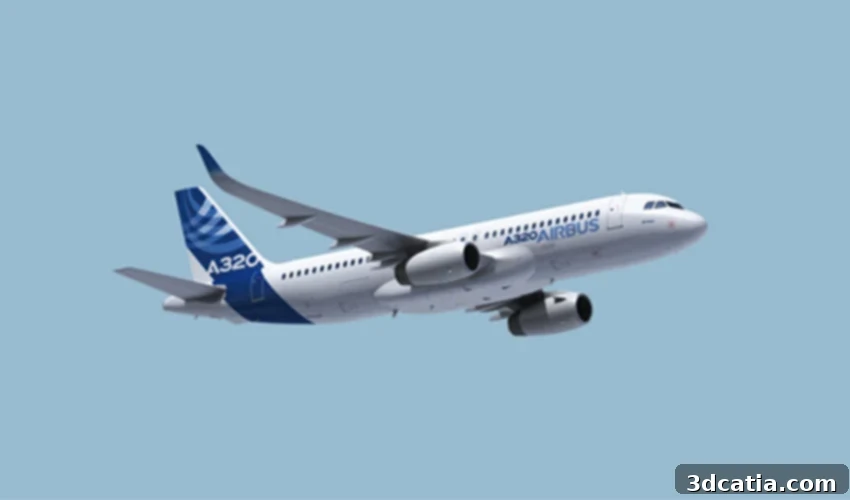
In a landmark achievement for the aerospace industry, Satair, a leading Airbus services company, recently announced the successful delivery of what is believed to be the world’s first certified 3D printed metal flying spare part to one of its airline customers. This groundbreaking component, a wingtip fence designed for an A320ceo aircraft, addresses a critical issue: the part was no longer available from its original equipment manufacturer (OEM) supplier. By embracing metal additive manufacturing, Satair not only overcame a significant obsolescence challenge but also drastically reduced the risk of the aircraft being grounded due to an unavailable part. This innovative approach underscores the immense potential of 3D printing technologies to inject unparalleled flexibility into part production, all while adhering to the stringent quality and safety standards mandated by EASA Form 1 certification. Furthermore, the adoption of additive manufacturing for this specific part resulted in an estimated cost reduction of 45% and a considerably shorter lead-time, presenting a more economical and efficient solution for airline operators globally. This development marks a pivotal moment, signaling a new era for aircraft maintenance, repair, and overhaul (MRO) operations.
To fully appreciate the significance of this accomplishment, it’s essential to understand Satair’s strategic position within the aviation ecosystem. Satair operates as a standalone subsidiary of Airbus, forming an integral part of the Airbus Services unit. With a robust global footprint, Satair manages operations across 10 worldwide locations, employing over 1,300 dedicated professionals. Their core mission revolves around supporting the entire lifecycle of Airbus aircraft by providing a comprehensive and integrated portfolio of flexible, value-adding material management products, services, and tailored support modules. Before committing to the revolutionary path of 3D printing, Satair meticulously evaluated various alternative solutions, including traditional manufacturing methods. This diligent assessment process ensured that additive manufacturing was not merely a technological novelty but the most viable, cost-effective, and sustainable solution for this particular challenge.
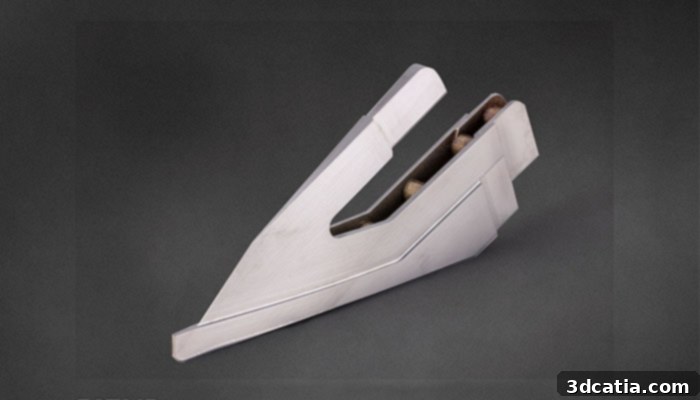
The first certified metal printed flying spare part for A320ceo by Satair | Image via Airbus.
Why Additive Manufacturing Emerged as the Optimal Solution for Aircraft Spare Parts
The decision to leverage additive manufacturing was driven by a combination of practical and economic factors. The specific component in question, an A320ceo wingtip fence, is manufactured in four distinct versions: starboard, port, upper, and lower. The crucial challenge arose when the original parts supplier ceased production, leading to the natural deterioration and eventual loss of the specialized molds used to cast these parts. Replacing these molds for individual or limited orders would have entailed a prohibitively high investment cost for Satair, making conventional production economically unfeasible. Furthermore, exploring other traditional manufacturing avenues, such as re-designing the part for machining technology, revealed that the resulting cost structures and extended lead-time implications were simply not competitive or practical for supporting an aging aircraft fleet. This scenario perfectly highlights one of the inherent strengths of additive manufacturing: its unparalleled flexibility and increased design freedom when producing unique or low-volume parts. Crucially, it eliminates the need for expensive and time-consuming tooling and mold investments, thereby transforming the economics of spare part production for legacy aircraft.
The ability to produce parts on demand, without the constraints of minimum order quantities or the need for physical molds, is a game-changer for aircraft MRO. For older aircraft models like the A320ceo, where original parts may become obsolete, additive manufacturing offers a lifeline, ensuring continued operational capability and extending the lifespan of valuable assets. This strategic shift not only reduces direct manufacturing costs but also significantly impacts inventory management, allowing airlines and service providers to maintain leaner stock levels while guaranteeing rapid access to critical components. The agility provided by 3D printing fundamentally reshapes the traditional aerospace supply chain, moving it from a ‘just-in-case’ model, reliant on large stockpiles, to a more efficient ‘just-in-time’ approach, minimizing waste and maximizing responsiveness.
Felix Hammerschmidt, HO Additive Manufacturing at Satair, provided valuable insight into the execution of this pioneering project. He explained: “We faced a significant challenge with the obsolescence of this particular part. Naturally, we turned to the Additive Manufacturing team for a solution. After a short pre-assessment, the part was handed over to the RapidSpares design offices at Airbus. Utilizing an innovative and streamlined certification process, they were able to re-certify the former cast part within an impressive five weeks. A critical step in this process was adapting the material to titanium, which is a highly qualified and airworthy additive manufacturing material known for its strength-to-weight ratio and corrosion resistance, making it ideal for aerospace applications. The lead time for certification is expected to reduce even further in the future once the technology matures and becomes more standardized across the industry.” This statement highlights not only the speed of execution but also the ongoing commitment to refining and accelerating the certification pathways for additive manufactured aerospace components, paving the way for wider adoption.
The actual manufacturing phase of the wingtip fence took place at the Reference Manufacturing shop located within Airbus Filton. This facility, notably qualified in 2019, represents a significant investment by Airbus in industrializing additive manufacturing and is now fully capable of producing flight-ready parts for commercial aircraft. The 3D printing process for the four wingtip fences took approximately 26 hours. A strategic decision was made to print all four parts simultaneously, a common practice in additive manufacturing to optimize production efficiency, reduce the cost per piece, and minimize the overall printing time per part. Following the printing stage, several essential post-processing steps were required. As is characteristic of most 3D printing technologies, these post-processing stages – which can include heat treatment, surface finishing, and rigorous quality inspections – are crucial to ensure that the additive manufactured part functions as a one-to-one replacement for the original, conventional component, while rigorously meeting the same exacting safety and performance requirements demanded by the aerospace industry. The culmination of this meticulous process was the supply of the new AM part, accompanied by a full EASA Form 1 certification approval, signifying its airworthiness and compliance with all regulatory standards.

Image via Airbus
Bart Reijnen, CEO of Satair, underscored the broader strategic implications of this success, stating: “Satair is steadfastly leading the way in providing additive manufactured parts for the aviation aftermarket. Our commitment is evident in the fact that we currently have more than 300 part numbers certified for this technology, covering every Airbus aircraft family type. This remarkable portfolio demonstrates our deep integration of AM into our core service offerings. With this robust Additive Manufacturing supply chain now firmly established, we possess the capability to produce these critical parts with significantly shorter lead-times, dramatically enhancing aircraft availability and reducing operational costs for our customers. The immediate positive market response is encouraging; four additional customers have already placed requests for the same part following this successful delivery. This early demand validates our strategy and highlights the urgent need for such agile manufacturing solutions. Furthermore, we have proactively identified a substantial pipeline of other titanium parts for which Additive Manufacturing could prove to be a more economical and efficient production method, offering higher flexibility and even shorter lead times for their global supply. This is not just about a single part; it’s about a paradigm shift in how we manage and sustain aircraft fleets well into the future.” This forward-looking statement from Reijnen highlights Satair’s ambition to scale AM adoption, transitioning from a reactive solution for obsolescence to a proactive strategy for optimized manufacturing across a wide range of components. The continuous identification of new AM candidates, particularly in high-performance materials like titanium, solidifies the long-term vision for additive manufacturing as a cornerstone of modern aerospace supply chains.
This landmark achievement by Satair and Airbus represents a significant leap forward for the entire aerospace industry, demonstrating the maturity and reliability of metal 3D printing for flight-critical applications. It paves the way for a more sustainable, resilient, and cost-effective approach to aircraft maintenance and part procurement, benefiting airlines, operators, and ultimately, passengers worldwide. The shift towards agile, on-demand manufacturing helps mitigate supply chain risks, particularly in an era where global disruptions can impact traditional procurement channels. Moreover, the inherent design freedom of additive manufacturing opens up possibilities for future weight optimization and performance enhancements, further contributing to the efficiency and environmental footprint of air travel. You can find more comprehensive information about Satair’s latest news and innovations by visiting their official newsroom HERE.
What are your thoughts on this latest groundbreaking use of additive manufacturing in the demanding aerospace industry? Do you believe this will accelerate the adoption of 3D printed parts across other critical sectors? We invite you to share your insights and opinions in a comment below or join the discussion on our vibrant Facebook and Twitter pages! Don’t miss out on the cutting-edge developments in 3D printing; sign up for our free weekly Newsletter to receive all the latest news directly in your inbox!