
Lotus Theory 1 Unveiled: Driving the Future with 3D Printing and Sustainable Design
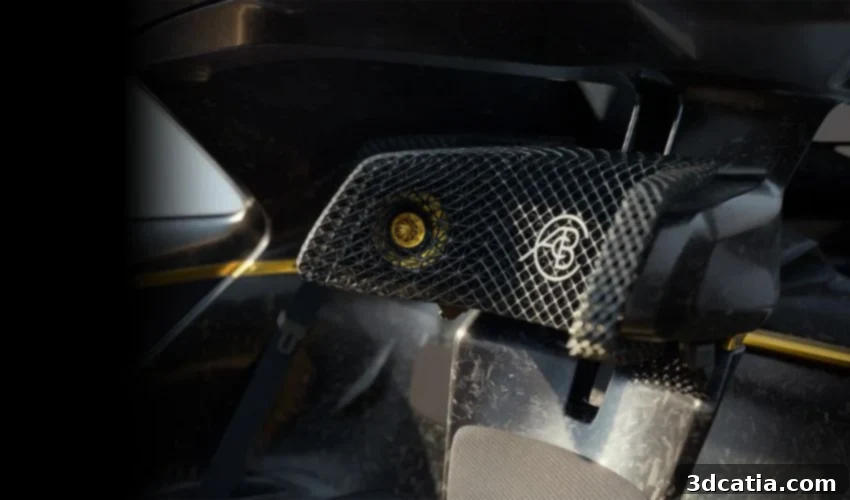
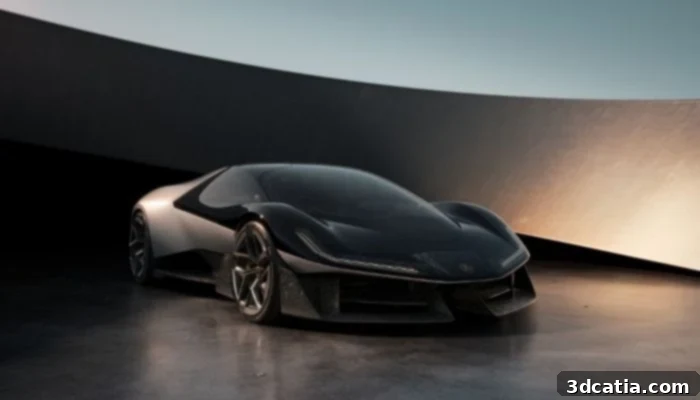
Lotus Cars, renowned for its lightweight, high-performance vehicles, has once again pushed the boundaries of automotive innovation with the unveiling of its groundbreaking concept car, the Theory 1. This 1,000-horsepower marvel is a testament to what’s possible when cutting-edge design meets advanced manufacturing. Immediately striking for its exceptionally low weight, revolutionary design, and exhilarating performance, the Theory 1 is more than just a car; it’s an experimental development designed to explore the vast possibilities and demonstrate the exciting future of the automobile. While its overall prowess is undeniable, a particular feature inside the cabin has garnered significant attention: the headrests. These aren’t just ordinary headrests; they were intricately 3D printed on Carbon resin 3D printers, utilizing advanced lattice structures to deliver unparalleled comfort while simultaneously minimizing material usage. This detail alone speaks volumes about Lotus’s commitment to innovation at every level.
The Lotus Theory 1 embodies multiple strategic objectives for the manufacturer, as highlighted on its official website: “Theory 1 is the ultimate expression of Lotus’ design principles, innovation, and next-level driver engagement. With its progressive technology, material reduction, and sustainability at its core – it embodies our commitment to design truly For the Drivers. Theory 1 is the first expression of our new design philosophy, based on three core principles: Digital, Natural, and Analogue.” This statement clarifies Lotus’s ambition: to offer a truly novel and immersive driving experience that seamlessly integrates advanced technology with intuitive human interaction. The “Digital, Natural, and Analogue” philosophy suggests a harmonious blend of digital intelligence, organic forms, and traditional tactile feedback, all converging to redefine the connection between driver and machine. This holistic approach is evident in numerous aspects of the vehicle’s design and engineering.
The Lotus Theory 1: A Glimpse into the Future of High-Performance Motoring
Delving deeper into the vehicle’s interior reveals a cockpit designed for ultimate driver engagement and comfort, outfitted with technologies that blur the line between automotive and biological systems. Beyond the innovative headrests, the Theory 1 features adaptive robotic textiles, a sophisticated sensory audio system, and advanced haptic controls that respond intuitively to human touch. Consider the steering wheel, for example: it’s not merely a control input device but an interactive interface that reacts to touch and can even inflate subtly to communicate specific messages or warnings to the driver. Similarly, the fabrics used for the seats are dynamically adaptive, capable of inflating to provide tailored support and enhanced comfort based on the driver’s physique or chosen driving mode. This level of personalized adjustment ensures optimal ergonomics and a truly bespoke experience, adapting seamlessly whether the driver is engaging in spirited track driving or cruising in a more relaxed manner. Such intelligent integration of materials and electronics exemplifies Lotus’s vision for a truly responsive and driver-centric environment, elevating the internal cabin from a static space to a dynamic, living extension of the driver.
While every element of the Theory 1’s interior showcases remarkable innovation, it’s the 3D printed headrests that truly stand out as a beacon of advanced manufacturing. These components are not just aesthetically pleasing but are engineered for performance and efficiency, leveraging Carbon’s Digital Light Synthesis (DLS) technology. DLS is a cutting-edge resin process that utilizes a potent combination of UV light projected through an oxygen-permeable window to continuously cure liquid resin into solid parts. This unique method allows for the production of incredibly intricate designs, superior material properties, and an impressive speed that surpasses many traditional additive manufacturing techniques. The exact resin type used for the Theory 1’s headrests has not been disclosed, but the choice of a high-performance, robust resin is undoubtedly critical for automotive applications, ensuring durability, comfort, and safety. The most striking aspect of these headrests is their internal lattice structure. This complex, optimized geometry, impossible to achieve with conventional manufacturing methods, serves multiple crucial purposes: significantly reducing the overall weight of the component, minimizing material waste during production, and drastically improving occupant comfort through enhanced breathability and tailored energy absorption properties. Moreover, to further elevate the personalized experience, each headrest ingeniously incorporates built-in speakers, offering a bespoke sound experience for every passenger, seamlessly integrating audio into the very fabric of the seating. This not only declutters the cabin but also provides an intimate, high-fidelity audio zone for individual occupants.
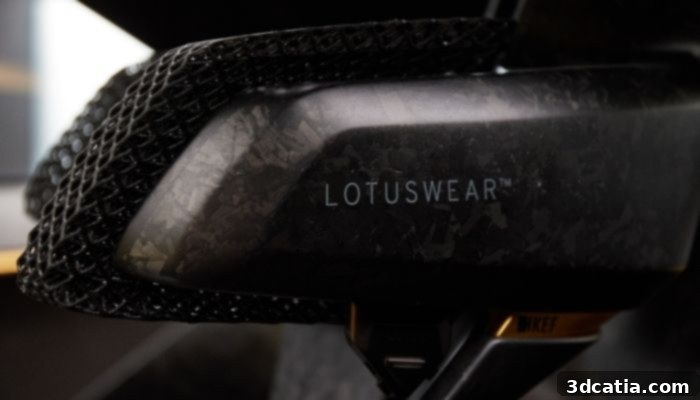
The meticulously engineered lattice structure for optimal performance and comfort.
Beyond its performance and technological prowess, the Lotus Theory 1 also serves as a critical testbed for more sustainable production methods, marking a significant step towards environmentally conscious automotive manufacturing. In a remarkable departure from industry norms, Lotus aimed to construct this complex concept car using only 10 primary materials, a stark contrast to the 100 or more materials traditionally employed in the automotive sector. This drastic reduction simplifies the supply chain, improves material traceability, and significantly streamlines end-of-life recycling processes. Furthermore, a substantial portion of these chosen materials are recycled, reinforcing the brand’s commitment to circular economy principles and reducing its environmental footprint. This holistic approach to sustainability, from design to material selection and manufacturing, positions the Theory 1 as a leader in eco-friendly automotive innovation. The concept car’s advanced features extend beyond its interior and sustainable construction, encompassing a suite of high-performance and safety technologies. These include an array of sophisticated sensors and cameras for enhanced situational awareness, a high-performance carbon ceramic braking system for superior stopping power, and an active aerodynamic spoiler with 7 different positions, dynamically adjusting to optimize downforce and stability at varying speeds. As evident from these details, Lotus has meticulously imagined and engineered a high-performance, futuristic car that not only redefines the driving experience but also champions sustainable practices. The Theory 1 is a powerful statement about the direction of premium automotive design and engineering, and the anticipation for whether this revolutionary vision will translate into a market-ready vehicle is palpable. For those eager to explore more of its intricate details and groundbreaking features, further information can be found here.
The Lotus Theory 1 isn’t merely a concept car; it’s a profound declaration of intent from a manufacturer dedicated to pushing the boundaries of what a vehicle can be. It masterfully blends raw power with exquisite design, sophisticated technology, and a deep-seated commitment to sustainability. From its 1,000-horsepower output to its ingenious 3D printed components and reduced material footprint, every aspect of the Theory 1 screams innovation. It represents a future where performance doesn’t compromise responsibility, and cutting-edge technology enhances, rather than detracts from, the pure joy of driving. This vehicle clearly demonstrates how advanced manufacturing techniques like 3D printing, combined with smart material choices and a driver-centric design philosophy, can unlock unprecedented levels of customization, efficiency, and environmental consciousness in the automotive industry. It sets a new benchmark for what car enthusiasts and environmental advocates alike can expect from the next generation of luxury performance vehicles.
What are your thoughts on the revolutionary Lotus Theory 1? Do you believe this concept car truly signals the future of automotive design and manufacturing? Share your insights and join the conversation by leaving a comment below or connecting with us on our LinkedIn, Facebook, and Twitter pages! Don’t forget to sign up for our free weekly newsletter here for the latest 3D printing news and developments delivered straight to your inbox! You can also explore all our videos and in-depth features on our dedicated YouTube channel, where we delve into the most exciting innovations in additive manufacturing.
*All Photo Credits: Lotus Cars