News
XJet’s NanoParticle Jetting (NPJ) Technology Is Unlocking Powderless Ceramic and Metal Additive Manufacturing
Per the most recent Wohlers Report, the market for additive manufacturing goods and services has seen a growth of about 18.3% over the past year, confirming not only the continued market recovery from the pandemic, but also the increasing importance…
- 3 min read
- News
- Six more stories
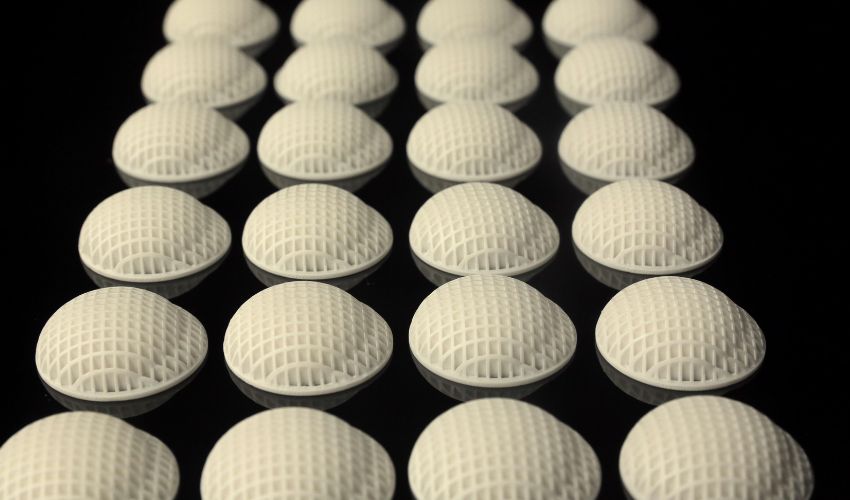
Per the most recent Wohlers Report, the market for additive manufacturing goods and services has seen a growth of about 18.3% over the past year, confirming not only the continued market recovery from the pandemic, but also the increasing importance of the sector. Not only that, but among the different technologies, those using metal and ceramics have grown particularly quickly. Indeed, the metal additive manufacturing market is currently worth over $3 billion according to a report from AMPOWER, with a projected growth of CAGR 26.1%. Meanwhile, ceramic AM is expected to be worth $400 million by 2032, a sevenfold increase since 2020.
Nevertheless, barriers for adoption of metal and ceramic 3D printing remain. Notably, those that reflect the use of powder and slurries, which make up the majority of ceramic and metal AM. This not only leads to waste, but also requires considerable post-processing. Not to mention, the handling and processing of these raw materials along the manufacturing process poses several inherent shortfalls that impact adoption and scale. This relates especially to the fact that it is necessary to deal directly with hazardous materials and lasers, as well as with manual and lengthy powder removal and recycling. Thankfully, alternative technologies are answering this concern. Israeli manufacturer XJet is known for its NanoParticle Jetting™ (NPJ) technology, which uses inks rather than powder, yielding parts with high levels of detail, finish, and accuracy. We took a closer look at how exactly the technology works.
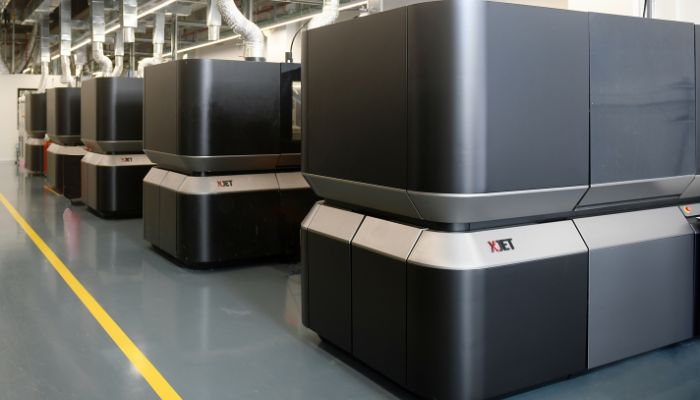
Xjet’s NPJ solution
How Does NPJ Work?
NPJ is unique among both metal and ceramic AM processes. Typically, printing with either of these materials will require using loose powder or slurry. Undoubtedly, it is safe to say that the build process in most metal and ceramic AM technologies involves the spreading the loose material before binding or sintering the layer.
More from the desk
Six other notes from the rest of the bench.
 NewsTop 5 Videos: Building a 3D Printed Community In GeorgetownSunday has arrived, and with it comes a fresh batch of five captivating videos from the realm of additive manufacturing. Get ready for an assortment of colorful highlights, including insights into how additive manufacturing is transforming aviation, household applications and&hel
 NewsThe best of Formnext 2019 in video!This week we found the top 5 videos about 3D printing and the way additive manufacturing is shaping our society. The technology has infiltrated many sectors, from medical to automotive, so check out our weekly selection to keep up with the innovations! This week we look…
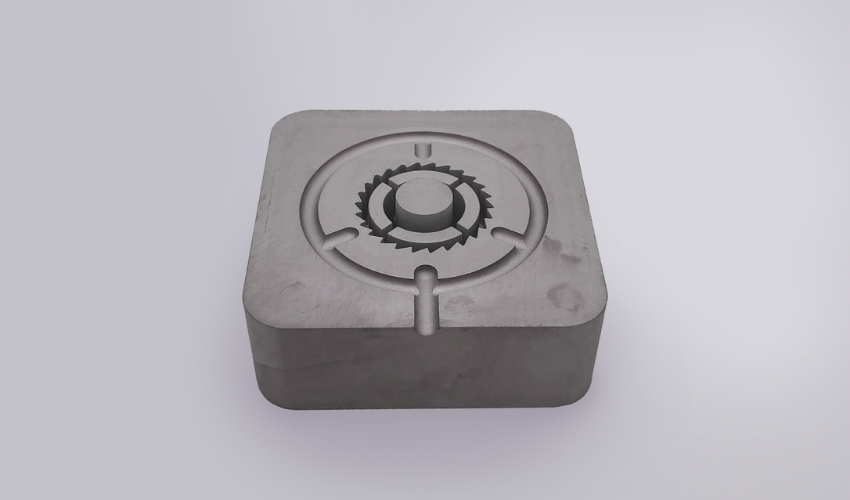 Guides#3DStartup: Mantle on its Unique Paste-Based Metal Additive Manufacturing ProcessMantle, a young, American startup, made headlines back in February 2021 with the launch of its TrueShape technology. The proprietary AM process distinguishes itself from other metal 3D printing processes on the market by using paste as the printing material…
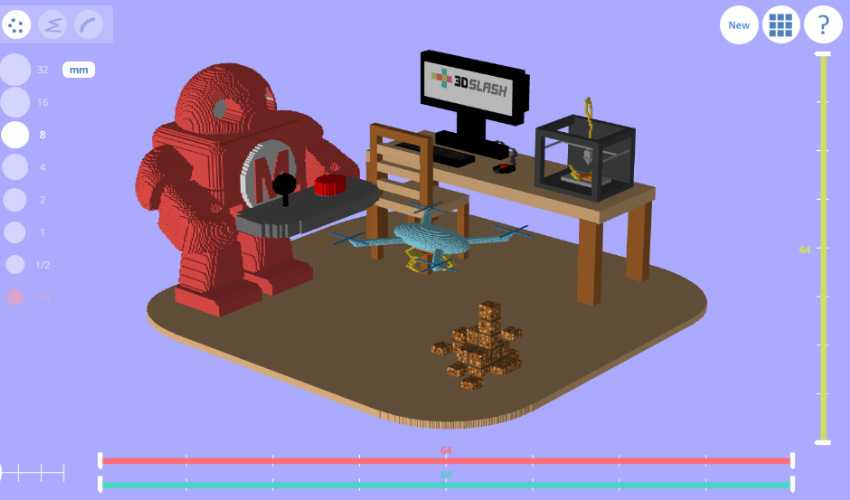 Software3D Slash, The Free Popular 3D Design Software Inspired by Minecraft3D software are an important part of 3D printing as they allow users to perform a number of critical tasks. Among these are modeling software, which are used to design the parts that will be 3D printed. However, many of…
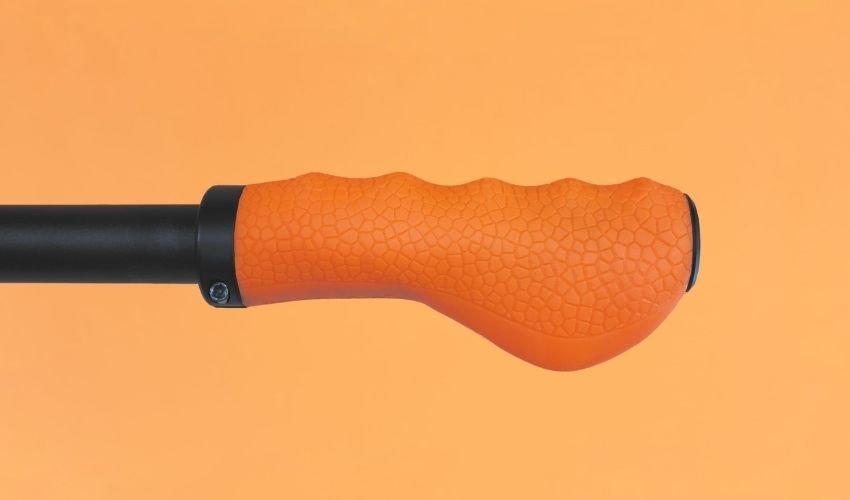 Guides#3DStartup: Personomic Offers Customized Bicycle GripsToday, 3D technologies play an important role in the production process of many industries. This is because 3D scanners and printers make it possible to achieve what would have been unthinkable just a few years ago: mass customization or the…
 GuidesThe top UK Maker Faires for DIY fans in 2018 and moreWe have in previous weeks collected the biggest and top Maker Faires in the US and Canada. This time we will take a look at what is worth checking out across the pond with the UK Maker Faires and beyond.…