News
WEBINAR: Optimizing Distributed Supply Chains Through Metal Additive Manufacturing
The past few years have shown us that there are a number of weaknesses in our global supply chains. And unfortunately, when those supply chains start to fail, a domino effect occur which can fully disrupt entire industries, as was…
- 3 min read
- News
- Six more stories
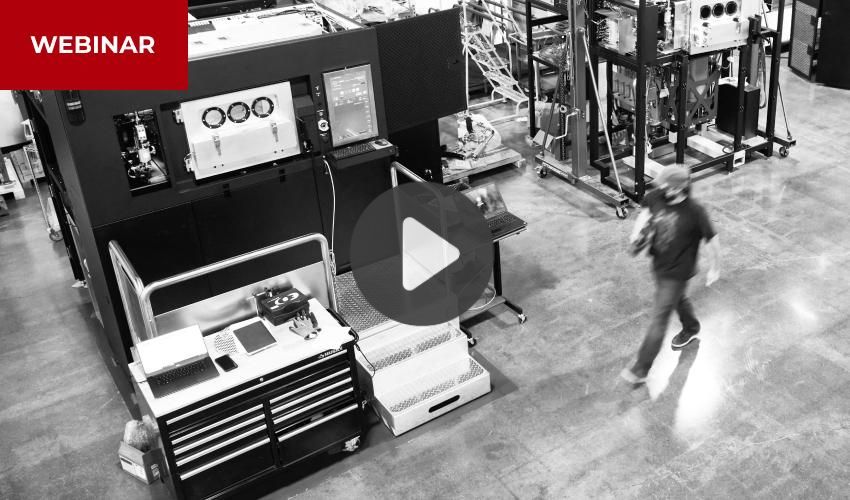
The past few years have shown us that there are a number of weaknesses in our global supply chains. And unfortunately, when those supply chains start to fail, a domino effect occur which can fully disrupt entire industries, as was particularly eveident at the beginning of the COVID-19 pandemic. And it is continuing. Nearly every industry has recently experienced supply chain challenges of their own, but the biggest concerns are in key infrastructure industries like oil and gas, energy, and transportation, especially considering the increased global turmoil. Additionally, many of the parts required to keep these industries in operation are only created by a few suppliers, making stoppages even more possible. Without solutions, we could continue to see further shortages throughout the world. However, that does not mean that there is not a solution.
Using metal additive manufacturing, companies can create distributed supply chains where the parts they need can be produced across any number of locations, closer to where the parts are utilized. Engineers simply need access to a printer, powder, and a design file, and they can produce a variety of parts anywhere in the world. In 3Dnatives webinar “Optimizing Distributed Supply Chains Through Metal Additive Manufacturing” we looked at some of the advancements the additive manufacturing industry has made in the past several years and how they’ve enabled the possibility of creating distributed supply chains for companies around the world. Check out the replay below!
Speakers:



William Priest is Sales Director, UK & Nordics at Velo3D where he is responsible for shaping and executing the Sales Strategy in this region. With a degree in Mechanical Engineering from the University of Exeter, he began his career as a Design Engineer with Red Bull Racing. He then joined Dyson’s EV program as an Advanced Design Engineer. In 2020, he moved to HiETA Technologies, a product design, development and production company exploiting thermal management and lightweighting via AM, before moving to his current role at Velo3D.
More from the desk
Six other notes from the rest of the bench.
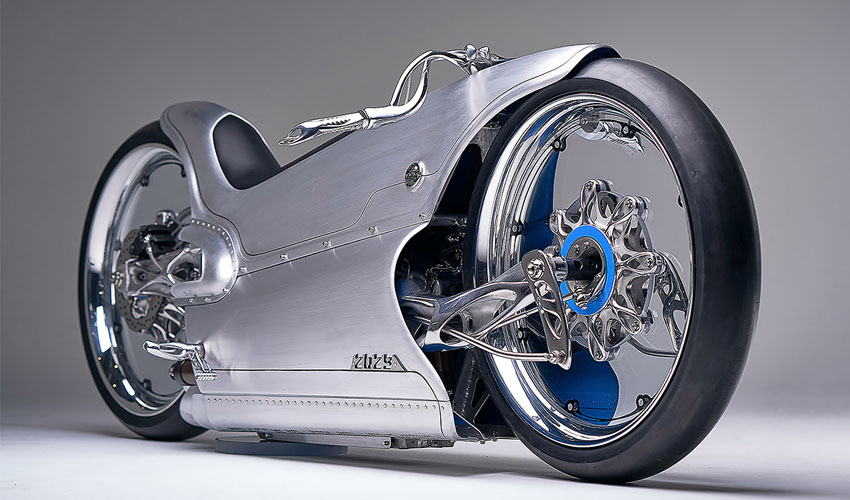 NewsFuller Moto’s 2029 electric motorcycle combines metal 3D printing and traditional manufacturingBased in Georgia, the American Fuller Moto is one of the leading workshops for the design and customisation of cars and motorcycles. It offers, in addition to this expertise and passion, a real education to its customers, whatever their profile.…
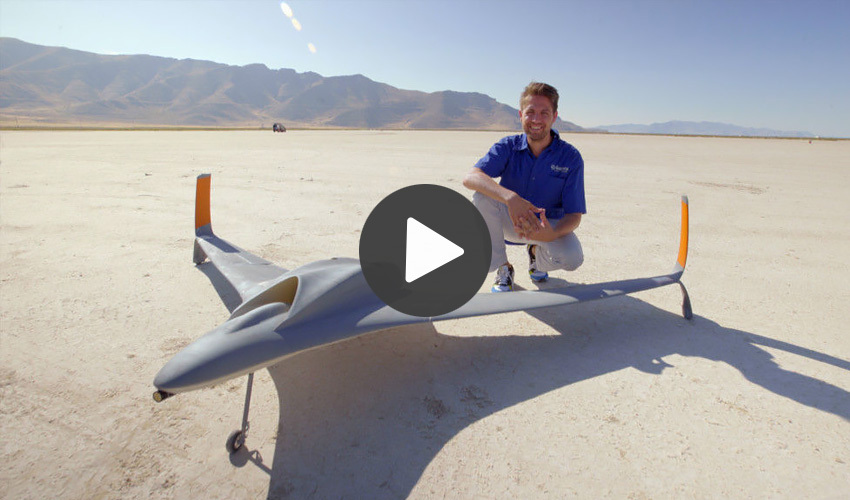 NewsTop 5 Videos: The first 3D printed jet-powered aircraftThis week we found the top 5 videos about 3D printing and the way additive manufacturing is changing production. The technology has infiltrated many sectors, from medical to automotive – check our selection of the week to keep up with the innovations! If you enjoy these, you&hell
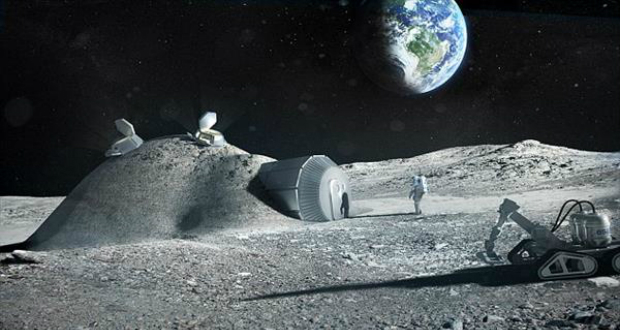 NewsA moon village is being planned for 2030Building a future for humans in space was once thought to be just a pipe dream, but today, this could become a reality thanks to 3D printing (and the moon). With the recent approval by the European Space Agency (ESA), they are now working alongside architects…
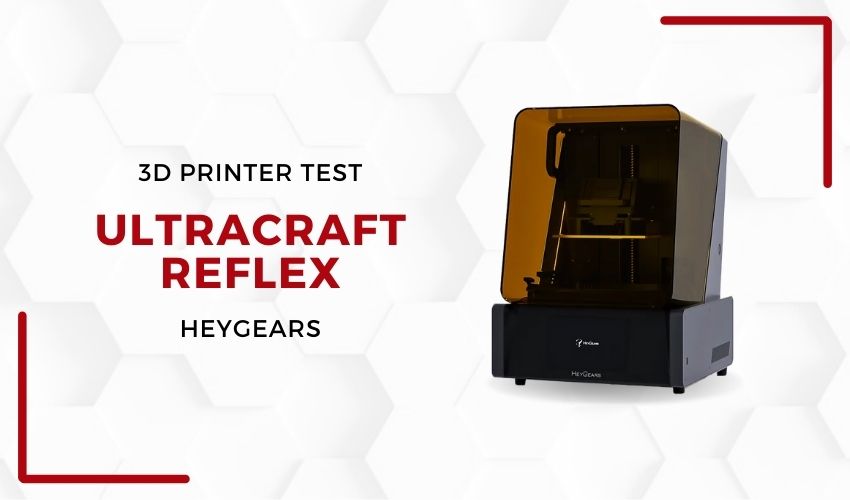 News3Dnatives Lab: Testing the UltraCraft Reflex 3D Printer From HeyGearsWhether created by historic manufacturers or up-and-coming players, it’s always interesting to discover the latest innovations that have emerged on the 3D printing market. Case in point, recently, the 3Dnatives Lab had the opportunity to take a look at the…
 NewsCrowdfunding: An accelerator for 3D printing?3D printing is a fascinating technology that gives its users unlimited possibilities to further one’s creative aspirations or to provide the push needed to completely revolutionize an entire industry. With the possibilities that 3D printing offers, it is no surprise…
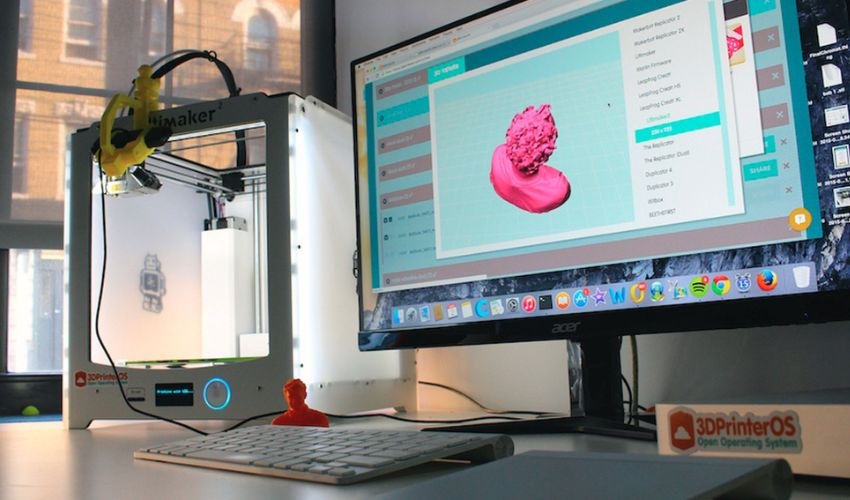 Software3DPrinterOS: A Set of Software Solutions for 3D PrintingToday, let’s take a close look into 3DPrinterOS—a user-friendly software solutions platform tailored for 3D printing enthusiasts. Serving as an open-source operating system for 3D printers, 3DPrinterOS streamlines tasks by eliminating the need to juggle multiple programs an