Applications
Ursa Major Propels U.S. Navy Missile Program With 3D Printing
Denver-based rocket innovator Ursa Major, a leading force in propulsion technology, has recently announced the company has secured a landmark contract with the US Navy’s Naval Energetics Systems and Technologies (NEST) Program. The collaboration aims to propel the Navy̵
- 3 min read
- Applications
- Six more stories

Denver-based rocket innovator Ursa Major, a leading force in propulsion technology, has recently announced the company has secured a landmark contract with the US Navy’s Naval Energetics Systems and Technologies (NEST) Program. The collaboration aims to propel the Navy’s Standard Missile program into a new era of precision and reliability, strengthened by cutting-edge advancements in 3D printing technology. Additionally, through this partnership, the Navy will see the launch of new weaponry, specifically 3D-printed solid rocket motors (SRMs) built using Ursa Major’s Lynx approach to manufacturing.
Leveraging the recently unveiled Lynx, Ursa Major seeks a complete redesign of the Mk 104 dual-thrust rocket motor, the workhorse powering the Navy’s Standard Missile family. This component, critical for a diverse range of missiles, drives the SM-2, essential for surface-to-air defense; the SM-3, critical for ballistic missile defense; and the SM-6, a versatile anti-air, land, and sea missile. Notably, the SM-6 is the only multi-role missile capable of intercepting hypersonic threats – a growing concern for national security.

Launch of an SM-6, powered by the Mk. 104 dual-thrust rocket motor component. (Photo Credits: U.S. Navy)
Ursa Major’s Lynx approach tackles longstanding hurdles in SRM production by integrating 3D printing with a versatile tooling system. This method, encompassing a variety of additive manufacturing technology and techniques, promises to streamline the production process, slashing lead times and boosting overall reliability – crucial factors for rapid response capabilities. The use of 3D printing will prove especially beneficial, as manufacturing current versions of the Mk 104 dual-thrust rocket motor presents a significant challenge due to its complex and time-consuming processes. This bottleneck coincides with a critical period for the US Navy, as domestic demand for SRMs is surging, driven by the need to replenish stockpiles and support Ukraine’s ongoing conflict.
More from the desk
Six other notes from the rest of the bench.
 NewsRenishaw Launches 3D Printing Christmas Initiative‘Tis the season to be jolly, and cities and towns across the world are decorating for the occasion. And for some, it is the perfect excuse to help lead future generations while teaching them about 3D printing. That is why…
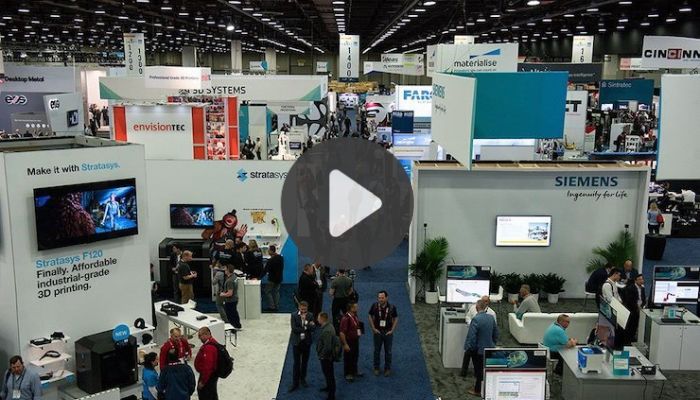 NewsTop 5 Videos: Rapid + TCT In the LimelightIt is once again Sunday, which means it is time for the week’s top 5 3D printing videos! This weeks content is engulfed by the three day long Rapid + TCT 2023 event in Chicago, Illinois, the largest, most influential…
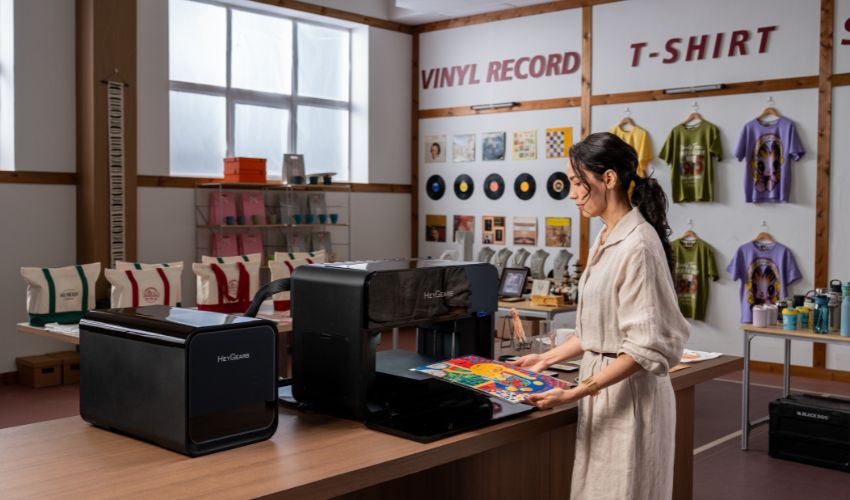 PrintersHeyGears Answers Backer Questions on G1 Series Cost, Maintenance, and Print QualitySince the G1 Series went live on Kickstarter on July 23, the campaign’s comment section has become an active back-and-forth between HeyGears and prospective backers. We introduced the platform in our first look and covered the campaign launch earlier. The…
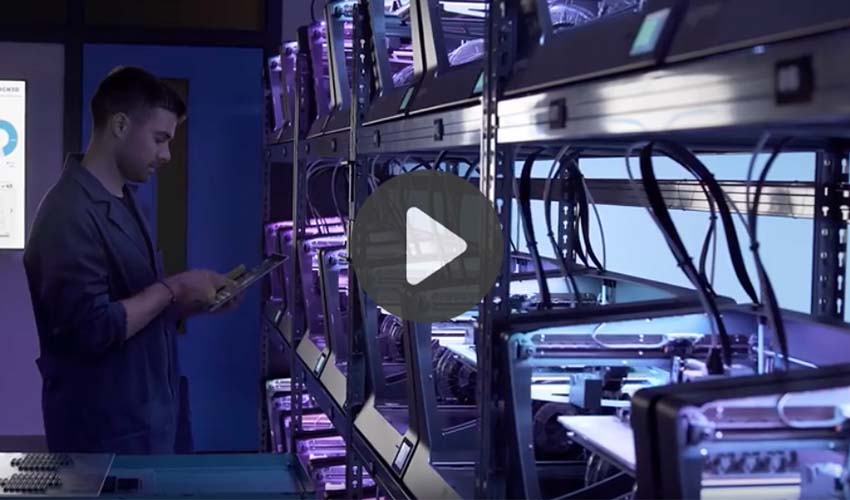 NewsTOP 5 VIDEOS: IDEX technology doubles production capacity and much more!This week we found the top 5 videos about 3D printing and the way additive manufacturing is shaping our society. The technology has infiltrated many sectors, from medical to space! Check out our selection of the week to keep up with the innovations! This week we…
 MaterialsPolymer 3D printing market to generate $11.7 billion in 2020SmarTech Analysis, a research firm specialized in the additive manufacturing industry, released its fourth annual report on the polymer 3D printing market, which is expected to generate $11.7 billion in revenues in 2020, rising to $24 billion in 2024 and…
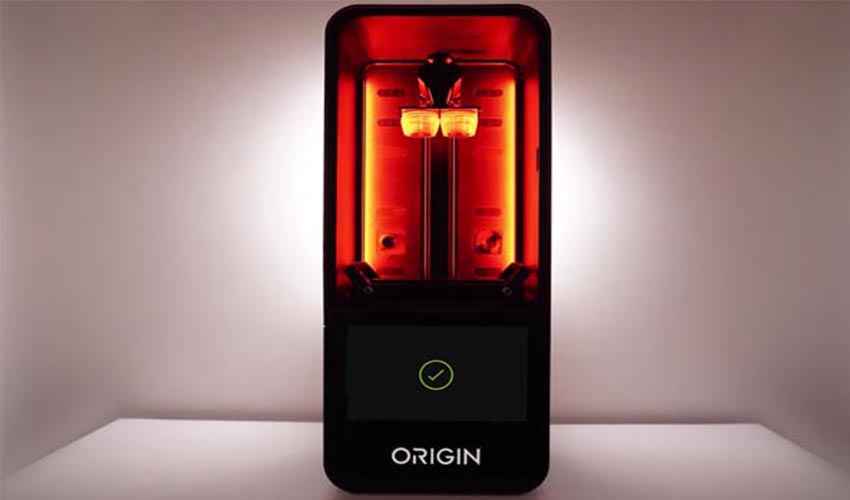 PrintersThe new Origin One 3D printer for high-volume productionOrigin, the Californian startup that developed its Open Additive Production platform to offer a new manufacturing method based on open materials, expandable software and modular hardware, with the aim of meeting the demand for better quality materials and customisation, just&hell