News
Top 5 Videos: University of Michigan Reduces Warping in Metal 3D Printing
While, you spend time with families over the holiday weekend, we at 3Dnatives are sharing with you, as with every week, some of the top 3D printing videos that we found. Start off, we have a video from the University…
- 3 min read
- News
- Six more stories
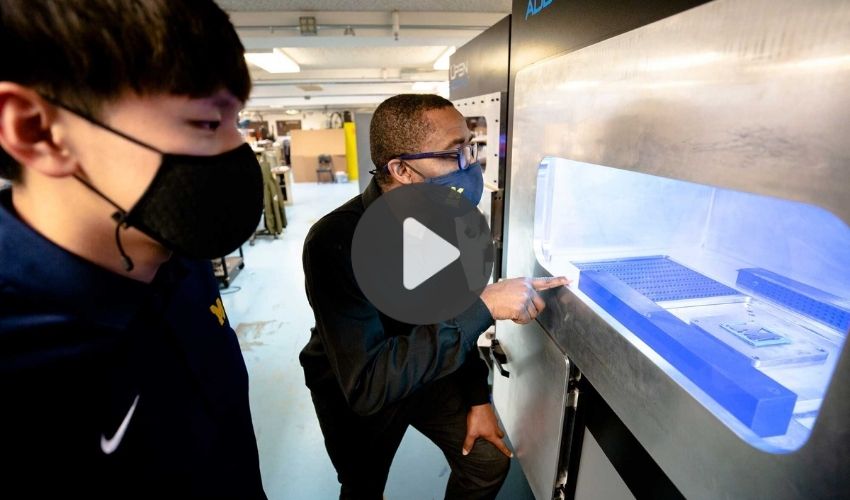
While, you spend time with families over the holiday weekend, we at 3Dnatives are sharing with you, as with every week, some of the top 3D printing videos that we found. Start off, we have a video from the University of Michigan where researchers have developed a software to reduce warping in metal 3D printing. Next, an interview with FabRx to talk more about 3D printed medicine, how 3D printed drugs work and what’s coming next in the field. Then, check out an anatomically correct heart printed using TPU and a BCN3D FDM printer. Ranking at top 4 on our list, celebrate Easter with Flashforge! In a video, the company shows how you can use their printers to make a “surprise Easter egg” just in time for the holiday. Finally, finish of the week with a look at the partnership between Markforged and Vestas. Happy Easter and Happy Sunday!
Top 1: University of Michigan Develops Software to Reduce Warping in Metal 3D Printing
Warping is one of the biggest concerns for users of metal 3D printing methods, including LPBF. Considering the fact that many of the applications for metal 3D printing centers on industries with high industries including, but certainly not limited to, aerospace, automoative and biomedical, many are working to solve this issue in order to ensure that parts made are still usable. Now University of Michigan researchers have unveiled their own project. Led by Chinedum Okwudire, Associate Professor of Mechanical Engineering, the team has developed a thermal-model-based software that direct printer lasers on the optimal scanning sequence to reduce warpage. Check out more in the video below:
Top 2: FabRx is Developing Personalized 3D Printed Medicine
In our latest 3D Interview, we sat down with Alvaro Goyanes, Co-Founder & CEO of FaBRX, to discuss drug printing technologies and their importance for the future of medicine. 3D printed medicine is becoming increasingly popular as it provides a way to create completely personalized drugs which could revolutionize healthcare, especially for those with complicated conditions. Alvaro told us more about how it works as well as about FabRx’s current project.
More from the desk
Six other notes from the rest of the bench.
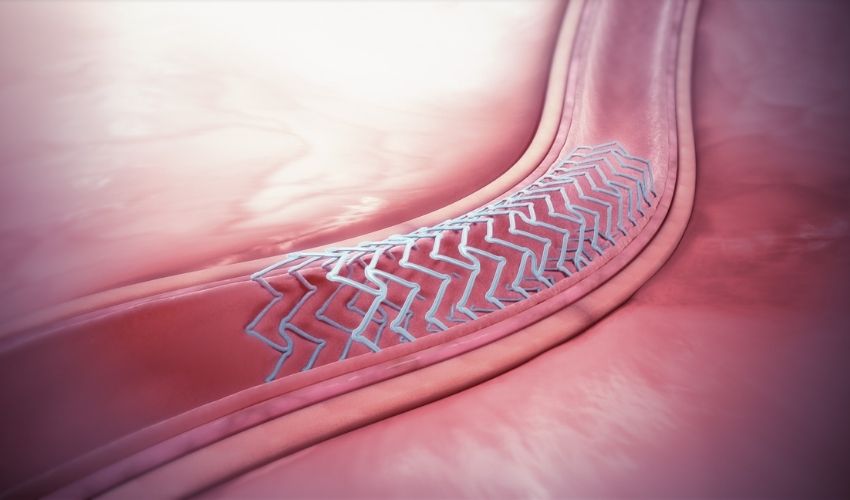 MaterialsBMF and 4D Biomaterials Make Micro-Scale Geometries with Bioresorbable MaterialsOne area in which micro 3D printing has been steadily gaining interest is in the medical sector. Thanks to the ability to create smaller and smaller parts, 3D printing enables customized medical devices for patients. Now, Boston Micro Fabrication (BMF)…
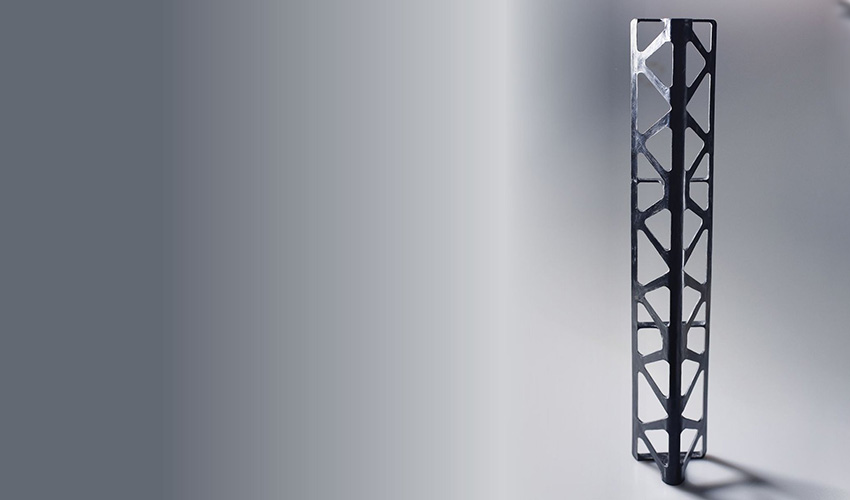 GuidesArris Composites on unlocking mass production of high-performance compositesArris Composites, one of the pioneers of next-generation composites, announced at the end of May that it had secured $48.5M in series B funding to expand its proprietary composite manufacturing capabilities and open new facilities in the U.S. and Taiwan.…
 NewsTOP 5 VIDEOS: A 3D printed shell for a tortoise…This week we found the top 5 videos about 3D printing and the way additive manufacturing is shaping our society. The technology has infiltrated many sectors, from medical to space! Check out our selection of the week to keep up with the innovations! This week we…
 ApplicationsScottish Researchers Pave the Way for Space Factories With Zero Gravity 3D Printing3D printing in space travel has made considerable progress in recent years. Initiatives from both NASA, which is researching the use of additive manufacturing in space including for structures, and the ESA, which has tested metal 3D printing on the…
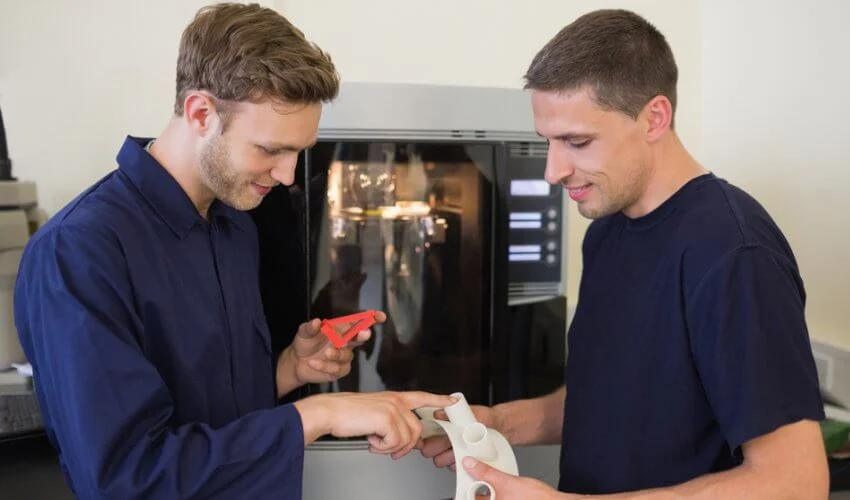 GuidesThe Top 3D Printing Service ProvidersThe use of additive manufacturing does not always mean owning a 3D printer. Today, there are many 3D printing service providers that offer their expertise in 3D printing technologies for the creation of any part: from functional prototypes, end-use parts…
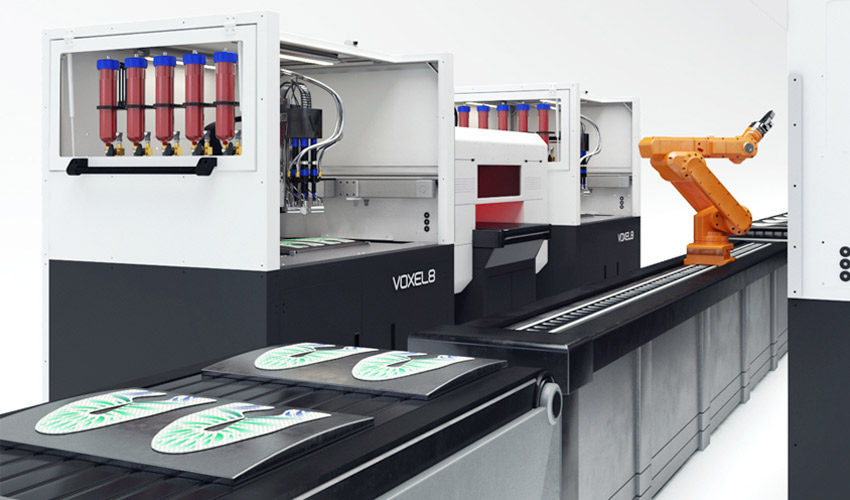 Guides#3DStartup: Voxel8, revolutionising footwear & athletic apparel design and productionVoxel8 is a young American company that has developed a multi-material additive manufacturing solution focused mainly on the design of sports shoes and clothing. While many actors have focused on creating 3D printed soles, Voxel8 designs the entire upper part…