News
Top 5 Videos: Revolutionizing Metal Additive Manufacturing with InShaPe
Welcome to another top 5 videos! This week we bring you a new set of curated videos filled with new creations, revelations, and discoveries in the world of additive manufacturing. For this week in the world of four-to-eight-minute long clips,…
- 3 min read
- News
- Six more stories
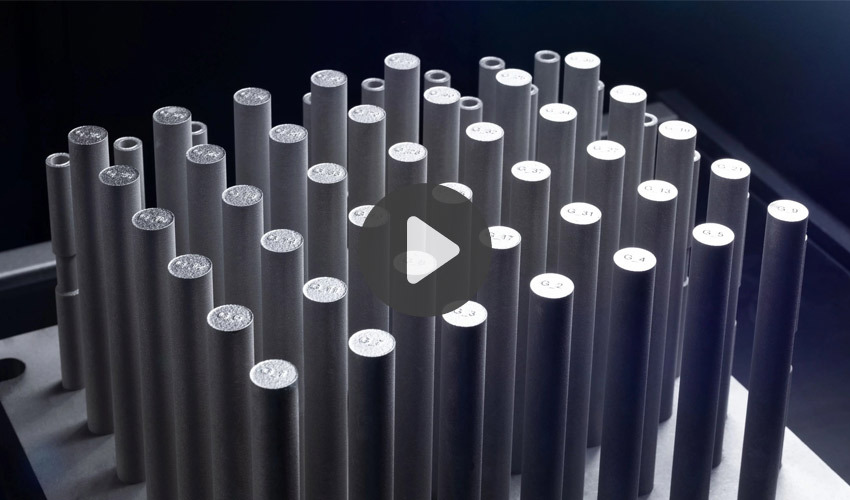
Welcome to another top 5 videos! This week we bring you a new set of curated videos filled with new creations, revelations, and discoveries in the world of additive manufacturing. For this week in the world of four-to-eight-minute long clips, we have a series of videos from the the European Union’s project aimed at increasing the efficiency of metal powder bed fusion additive manufacturing technology, electronics manufacturing with XTPL, A report on the partnership Roboze and RusselSmith have created for work in Nigeria, the role of 3D printing in education, and another look at our own tour of the EOS HQ in Germany! Prepare your seat and give a rest to that finger that’s been hovering over the play button, because we are ready to get started!
Top 1: An Introduction to EU Project ‘InShaPe’
With the noble goal of creating a more sustainable manufacturing industry in Europe, part of the InShaPe mission is to address the use of metal powder bed fusion across a variety of industries and make the 3D printing process more cost-effective and environmentally friendly. This video takes a further step by explaining the PBF process and what are the goals that the InShaPe consortium is pursuing and with what technologies they hope to create a more efficient and effective additive manufacturing process. Take a look for yourself, as the video is just under six minutes and offers a wonderful look at the advantages that additive manufacturing brings and may improve upon.
Top 2: AM and the Rapid Production of High-Tech Electronics
In this video, we look at the next evolution of the printing press: 3D printing electronics with the use of ultra-precise printing technology from XTPL. It highlights XTPL’s unique ability to create ultra-thin structures for various applications, including solar cells, displays, and processors. This technology offers advantages like high precision, simplicity, speed, and versatility. It can work on a variety of substrates and materials, making it a game-changer for flat-panel display manufacturers and other industries. Learn more from XTPL’s interdisciplinary team of experts in the video!
More from the desk
Six other notes from the rest of the bench.
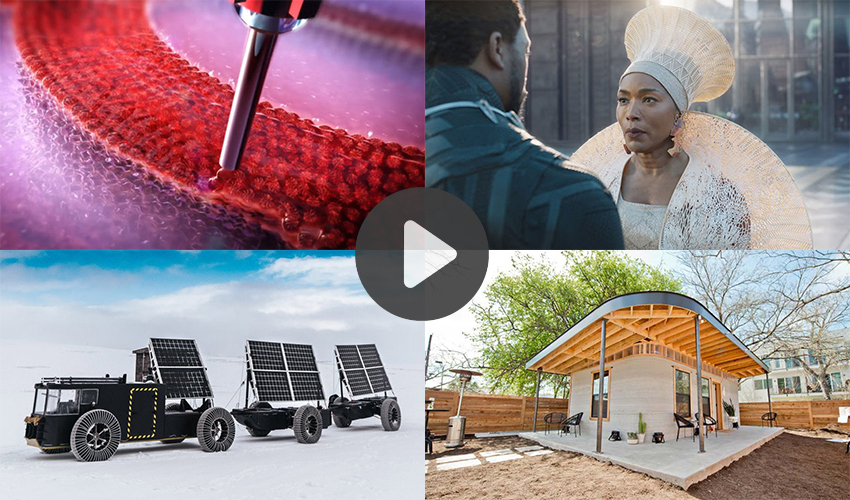 NewsTop 12 3D printing videos of 2018It’s been a year full of news in the 3D printing industry. New machines hit the market ready to be tested, legal issues was debated, and the preparations for going into space has moved forward. A lot of it has been covered…
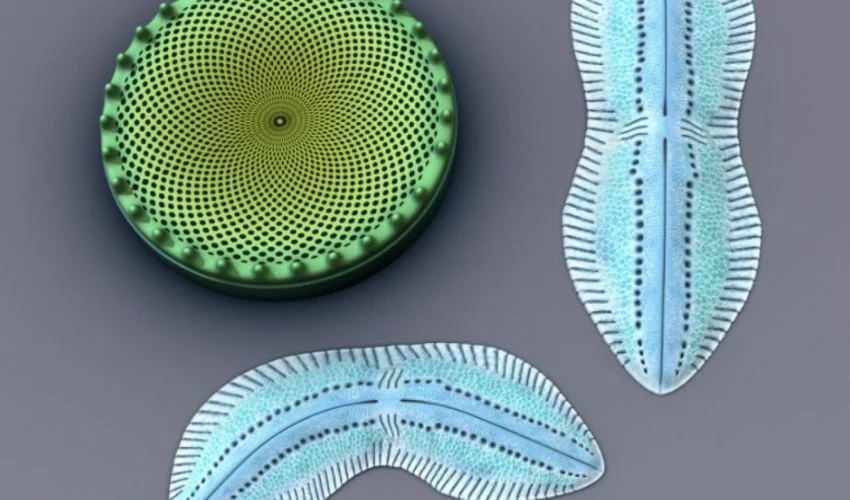 MaterialsA New Ultra-Strong 3D Printed Material From MIT and the University of GenoaIn recent years, 3D printing has revolutionized the way materials are designed and made, paving the way for extraordinary innovations. One of the most promising trends is the use of biomimicry: the imitation of nature’s structures and strategies to develop…
 ApplicationsBoom Supersonic using 3D printing technologies to build the world’s fastest airlinerThe airplane manufacturer Boom Supersonic seeks to redefine what it means to fly by building Overture, the fastest commercial airliner in the world. In order to advance the development of Overture, the company had announced that it would be using…
 GuidesSomanity Develops 3D Printed Exoskeletons for People with Disabilities3D printing is steadily transforming the medical field, offering innovative solutions that enhance the quality of life for people with disabilities. From customized prostheses to adapted keyboards, this technology is opening new possibilities. Yet, one of the biggest challenges f
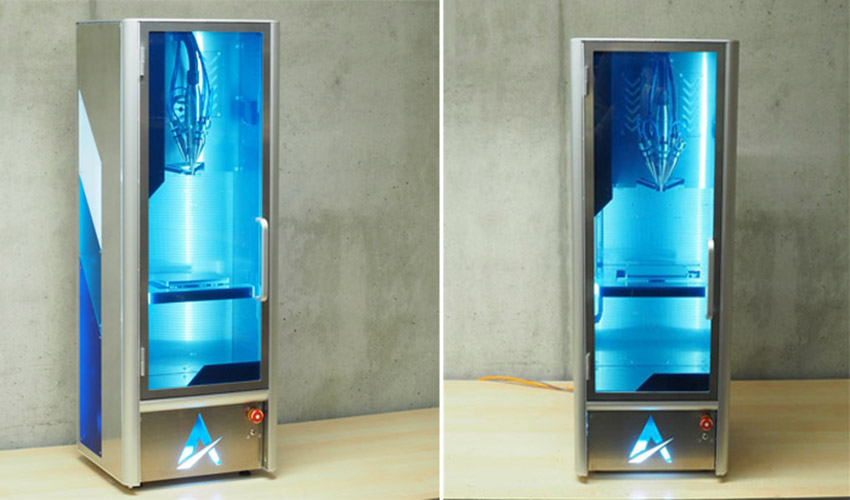 NewsAdditec Revealed Desktop Metal 3D Printer: μPrinterAdditec, founded in 2015 is a company based in Las Vegas (USA) and Bremen (Germany). It initiative aims to innovate how large metal structures are manufactured by changing system reliability and cost. They have revealed their new desktop metal 3D printer,…
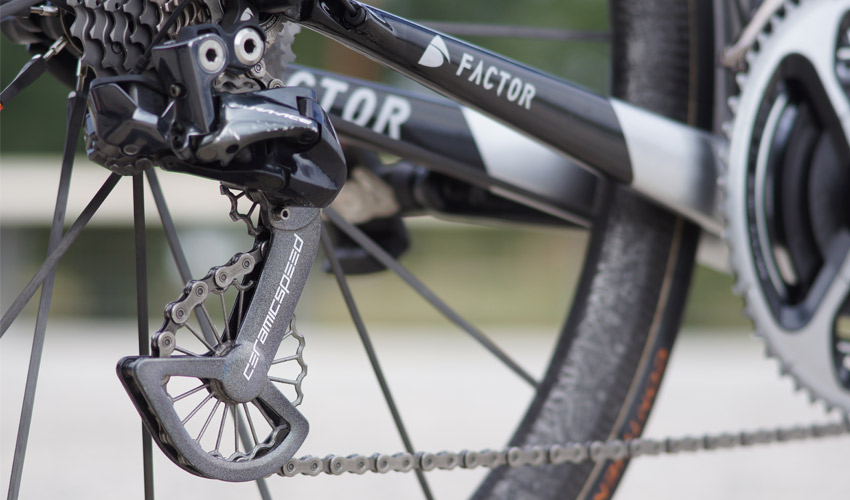 ApplicationsA 3D printed pulley can improve the performance of cyclistsThe Danish company CeramicSpeed and the Danish Institute of Technology (DTI) have worked together to produce a 3D printed titanium pulley for professional cyclists. The pulley is placed on the external gears of the gear shift and therefore subject to…