News
Top 5: How Do Concrete 3D Printers Work?
Now that another week has come to an end and the next one is starting, once again we want to showcase the best 3D printing videos that came out. This time, start with a 3Dnatives original as we take a…
- 3 min read
- News
- Six more stories
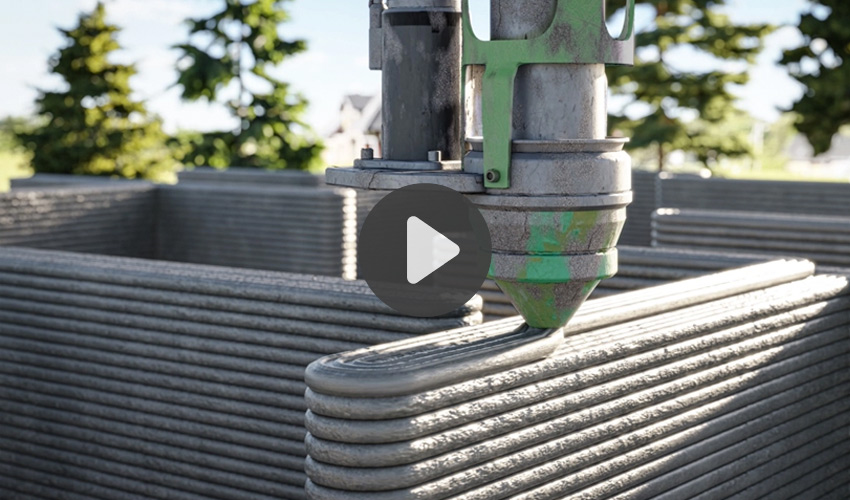
Now that another week has come to an end and the next one is starting, once again we want to showcase the best 3D printing videos that came out. This time, start with a 3Dnatives original as we take a closer look at how exactly concrete 3D printers work. Next, let’s go to infinity and beyond with Relatively Space as they show how important DfAM is for creating 3D printed rocket engines. After that, we show a practical application for concrete 3D printers, with the first 3D printed house in Columbus, Ohio before learning more about how Shape Corp is using 3D printing for better welding. Finish it up with a look into the future as 3DXTECH tells us about their vision for additive manufacturing and their project with Automation Alley. Happy watching and have a great weekend!
Top 1: Concrete 3D printers
It seems that we cannot go one week without a story about how 3D printing is being used in the construction industry. Additive manufacturing is being used to create more affordable, creative housing. But how are they doing this? Well, the key is concrete 3D printers which are able to create houses that meet stringent requirements. In this video, 3Dnatives takes a closer look at how exactly companies are developing concrete 3D printers as well as how they work.
Top 2: Relativity Space Show DfAM for Rocket Engines
At this point, who hasn’t heard of Relativity Space? The company has quickly grown from a small startup to one of the leaders in the creation of 3D printed rockets, with their own solution being tested just last year. And now you can also see how they make 3D printed engines in their latest video in the “Since You Asked” series. Here, engineer Dan Christensen breaks down DfAM and how they use it in the creation of these engines in only three months (from design to testing).
More from the desk
Six other notes from the rest of the bench.
 Applications3D Printing To Lead Prototype Development for McLaren F1 RacingShifting further towards sustainable engineering and manufacturing, McLaren Racing, F1’s first carbon-neutral team, has fully embraced 3D printing as the cornerstone of its prototype development process. The company reports that it is 3D printing more prototypes than engineering
 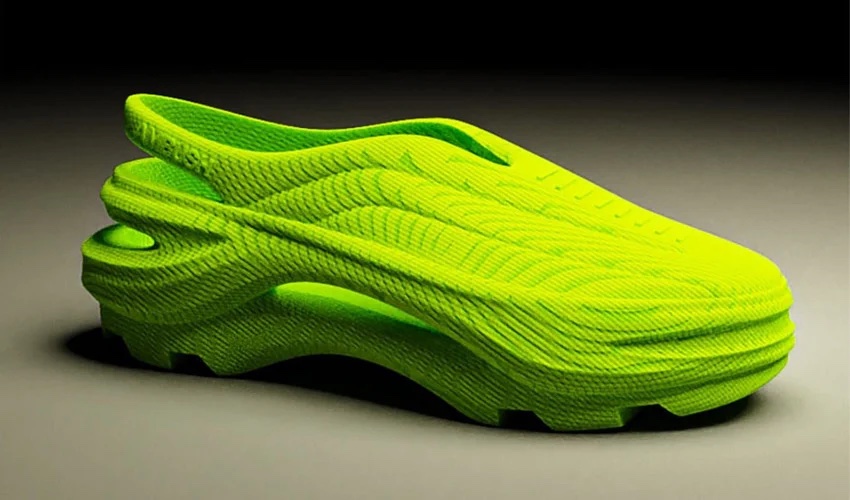 NewsAMBUSH 3D Prints a Shoe That is Wearable in the MetaverseShoe brand AMBUSH is launching a new project that is quite unique in the fashion world: Aapair of 3D printed shoes that can be worn both in the metaverse and in everyday life. The shoes which are called 100S were…
 GuidesAleph Farms and 3D Bioprinting Solutions collaborate to create slaughter-free meatAleph Farms is an Israeli startup that has developed a method to produce cultivated beef steaks. This method mimics the natural process of muscle-regeneration occurring inside the cow’s body, but under controlled conditions. The startup successfully 3D printed meat on…
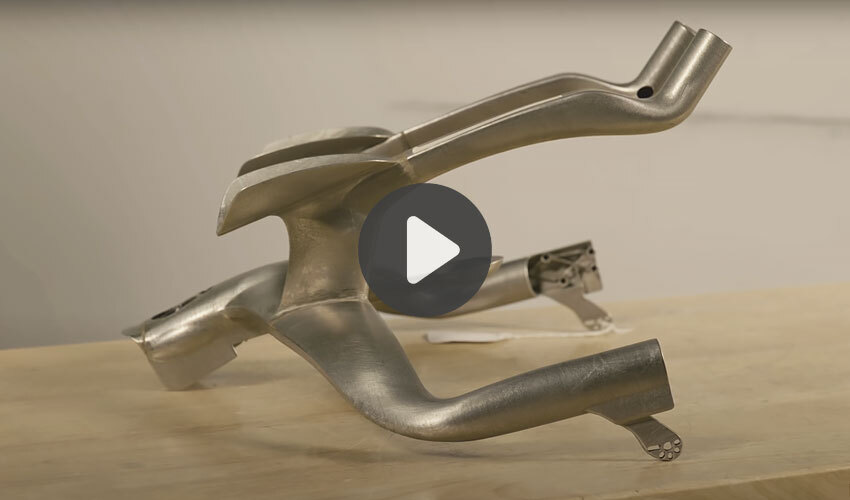 NewsTOP 5 Videos: 3D Printed Titanium BikeThis week we found the top 5 videos about 3D printing and the way additive manufacturing is changing production. The technology has infiltrated many sectors, from medical to automotive: check our selection of the week to keep up with the innovations! If you enjoy these, you&helli
 NewsTop 5 Videos: Korthotics’ 3D Printed Orthoses and More!This week, we introduce you to Korthotics, the Australian company that, through 3D printing, produces custom orthotics. Thanks to 3D technologies, Korthotics is able to offer its patients fast and reliable production. For the second video, we’re taking this opportunity to r
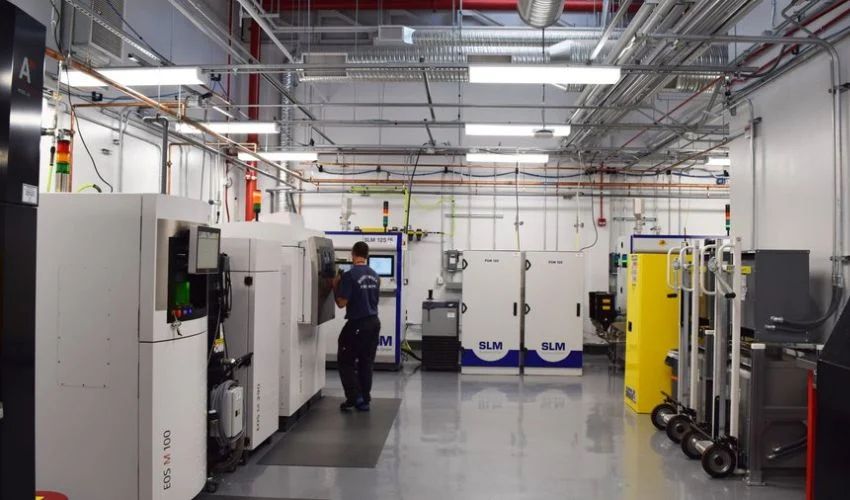 ApplicationsHoneywell Receives £14+ Million to Accelerate Development of Aerospace Additive ManufacturingThis is good news for additive manufacturing in aerospace! The Honeywell group, leading a consortium comprising 3T Additive Manufacturing, BeyondMath, Qdot Technology, and the Oxford Thermofluids Institute, has just announced that it has received £14.1 million in funding from the