Guides
Examples of How 3D Printed Prosthetics & Orthotics Are Helping Animals
3D printing is known to reach across industries and help everyone around the world, and this includes animals! We decided to take a closer look down at some of the animals that have had their lives saved or helped thanks…
- 3 min read
- Guides
- Six more stories
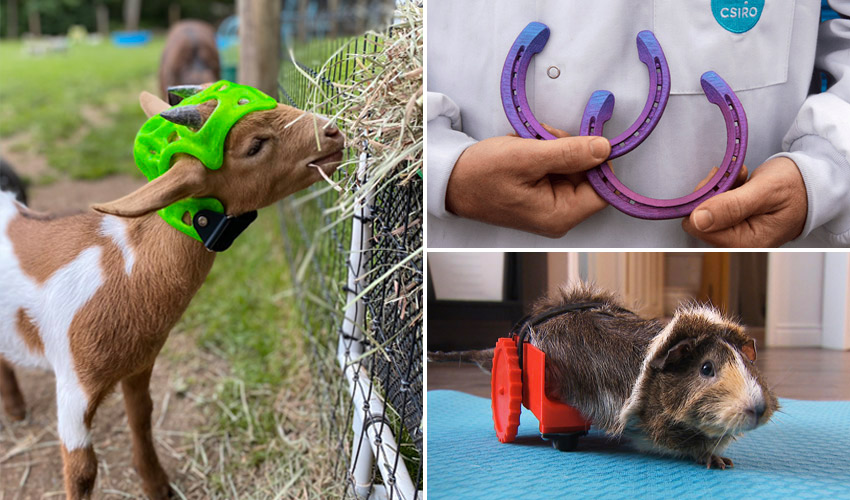
3D printing is known to reach across industries and help everyone around the world, and this includes animals! We decided to take a closer look down at some of the animals that have had their lives saved or helped thanks to the power of 3D printing. Just like with humans, 3D printing has numerous applications for helping animals who have lost limbs or other important body parts. Thanks to increasingly cheaper technologies as well as accurate scans, many different animals have had the opportunity to have a customized 3d printed prosthetics or orthotics, significantly improving their lives. Though this list is by no means exhaustive, we took a look at some of our favorite examples below.
The Shellter Project
Paris Shelton, the hermit crab, was forced to abandon its natural habitat due to a shortage of shells, forcing the crustaceans to make homes out of any trash that they can find, such as glass bottles. In response to this situation, which affects not only Paris Shelton but many hermit crabs, Makerbot launched the Shellter project. This community initiative is designed to give these marine animals a new home through 3D printing, while still being environmentally friendly. To accomplish this, they enlisted the help of makers to design new shells. The designs were then 3D printed and integrated into the environment of the crabs and hermit crabs, saving their lives.
Using Thingiverse, Makerbot and TeamUSA called on fellow makers to reach into their creativity to create new shell designs, which are then uploaded onto Thingiverse using the tag “SHELLTER”. From here, the team 3D prints the shells and incorporates them into their crab habitat (or crabitat) at the Botcave in Brooklyn, New York. Using their crabitats, they are able to see the preferences of the crabs, helping them to end the current hermit crab crisis.
More from the desk
Six other notes from the rest of the bench.
 ApplicationsCollins Aerospace Opens New Additive Manufacturing CenterAmerican company Collins Aerospace recently announced the opening of its new additive manufacturing center located in Monroe, North Carolina. The company, which is a subsidiary of the multinational Raytheon Technologies Corporation, opened the additional location for the expansio
 Materials2 creatures inspiring next-gen 3D printed body armorAnimals around us have been a source of inspiration in our books, films, other media for centuries. This trend continues today, showing no signs of stopping. Now, cutting edge technology is being used in conjunction with 3D printing and other…
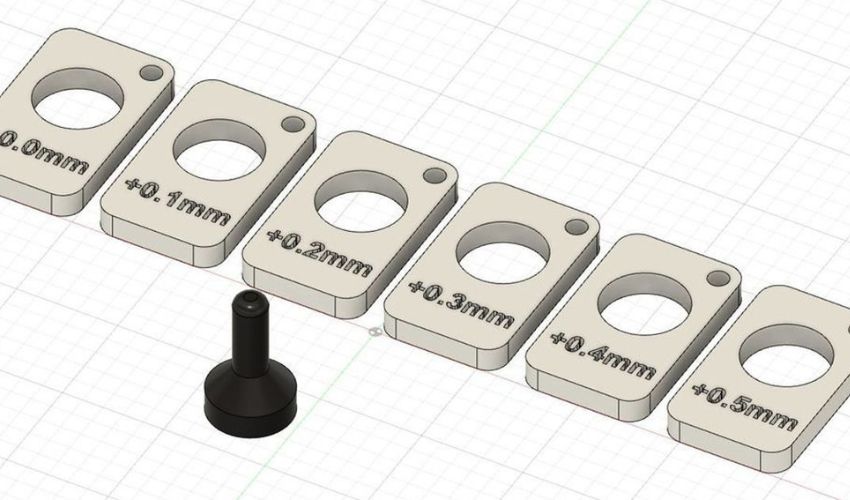 NewsWhat Is Tolerance in 3D Printing?When most people think of tolerance, what comes to mind is the ability to accept or tolerate somebody or something. However, there is another meaning when it comes to manufacturing and instrumentation, where tolerance is defined as the limit of…
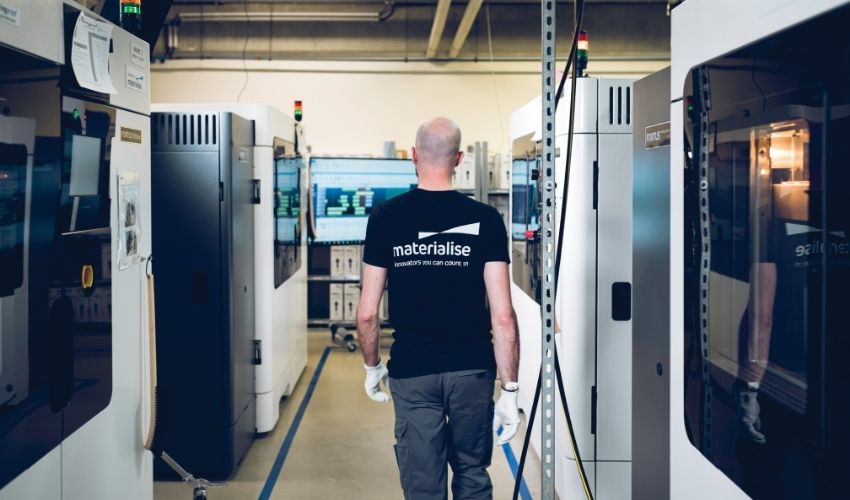 NewsMaterialise Officially Acquires Link3D in $33.5 Million DealBack in spring of this year, Materialise made headlines with its acquisition of the purchase option for software manufacturer Link3D. Now, the leading manufacturer of 3D printing solutions intends to exercise the call option and acquire 100 percent of Link3D’s…
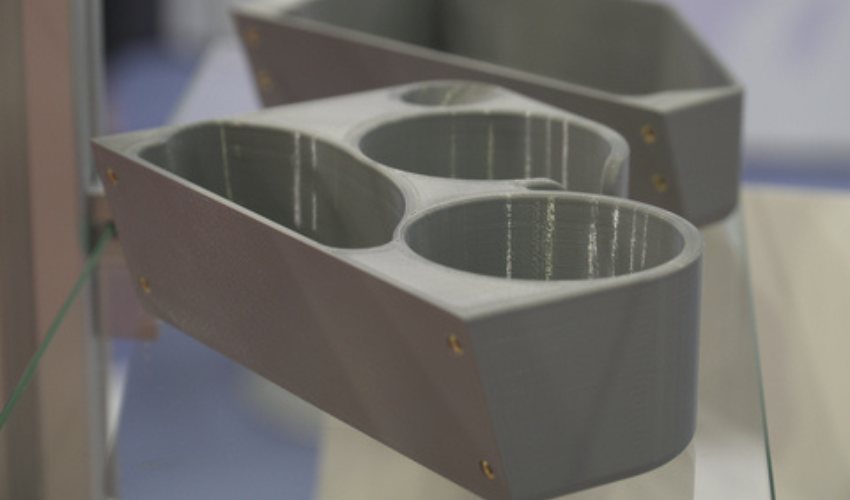 ApplicationsStratasys and AM Craft Partner to Advance 3D Printed Aviation PartsStratasys, a leader in advanced 3D printing technologies across diverse industries, has joined forces with AM Craft, an aviation manufacturing innovator from Latvia. This strategic partnership, built on the combined expertise of both companies, is set to significantly boost the&h
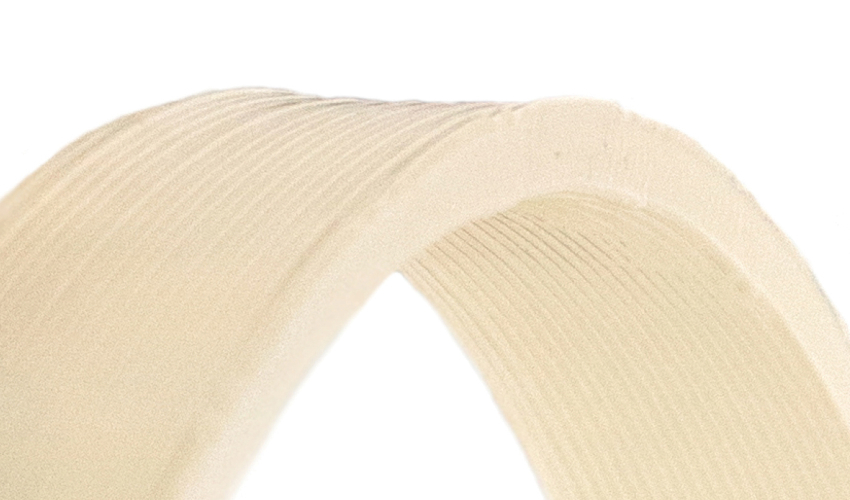 MaterialsIngeo 3D700, The New PLA Grade Biopolymer for Large Format 3D PrintingNatureWorks has developed a brand new PLA-Grade biopolymer which supplies a considerable reduction in warping and minimizes print failures, to add to its Ingeo range. Ingeo 3D700 is particular in that it is designed specifically for large format 3D printing,…