Guides
The Top Biomimicry Projects Using 3D Printing
Biomimicry is defined by Cambridge as “the practice of making technological and industrial design copy natural processes.” Although it may seem counterproductive to bring technological advancements back to the natural world, this practice is driven by the fact that in
- 3 min read
- Guides
- Six more stories
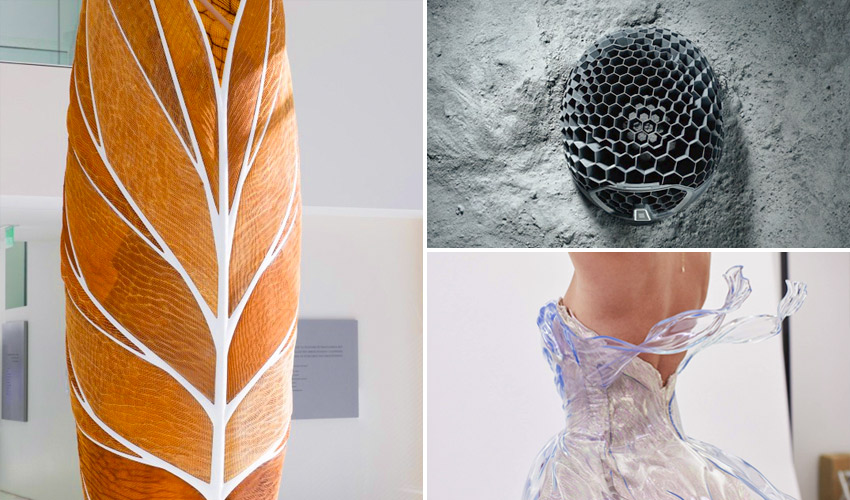
Biomimicry is defined by Cambridge as “the practice of making technological and industrial design copy natural processes.” Although it may seem counterproductive to bring technological advancements back to the natural world, this practice is driven by the fact that increasingly engineers and scientists are finding that, in many instances, the way that nature has been doing it, especially in terms of design, is best. Furthermore, with the rise of 3D printing technologies, these complex designs are suddenly possible in a way that they have not been with subtractive technologies. As such, in the following non-comprehensive list, we looked at some of the most exciting projects combining 3D printing with biomimicry in no particular order. To better understand how additive manufacturing is helping us to exemplify these optimized patterns.
Earth Moc: Innovation Through Biomimicry
3D printed shoes are no longer a novelty; even major brands like Adidas, New Balance, and Nike are turning to additive manufacturing to create incredible footwear. But that does not mean that innovation is done. In addition to using 3D printing, some are also turning to biomimicry to make even more optimized solutions, such as the case with Earth Moc. Designed by Daniel Shirley as part of Sintratec’s 3D Printing Shoe Design Contest in 2022, the shoe is meant to be reminiscent of intertwining roots and vines to maximize comfort and flexibility. He hopes the TPE-made, light-recovery shoe could be used for relief after hiking or light exercise.
Aguahoja Pavilion
Situated in San Francisco, the AguaHoja Pavilion stands at a height of 5 meters and features an intricate “Totem” structure. This architectural marvel emerged from a collaboration between Neri Oxman, The Mediated Matter Group, and Stratasys, culminating in its impressive realization. Inspired by nature, the design encompasses a series of artifacts predominantly crafted from organic materials shaped by water. The pavilion is supported by a framework additively manufactured using the Stratasys F900 3D printer, ensuring the cohesion of each individual component. Additionally, the project includes an architectural proposal for an environmentally compliant melamine glass structure.
More from the desk
Six other notes from the rest of the bench.
 PrintersThe Metal 3D Printer Manufacturers From Around the WorldMetal additive manufacturing encompasses a whole range of processes that are becoming increasingly popular with manufacturers. For several years now, industry giants have been equipping themselves with solutions to produce high-performance, lighter, customized parts that consume
  NewsTop 5 Videos: Creality and AM in EuropeHello everyone, and as always happy Sunday! We have an exciting bunch of videos to share with you this week, with a wide variety ranging from Creality and SolidCAM at Formnext to 3D printed prosthetics, student projects and innovations! We…
 NewsWhat is HP’s 3D Printing Centre of Excellence in Barcelona?HP opened a new centre of excellence dedicated to 3D printing and digital manufacturing in the province of Barcelona, in Sant Cugat del Vallès to be precise. It is a 14,000 m2 space dedicated to innovation and the development of…
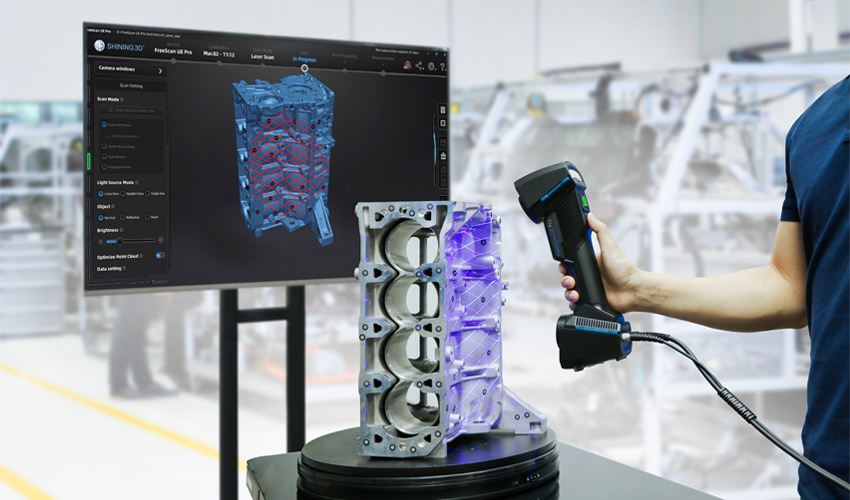 PrintersFreeScan UE Pro, Shining3D’s Most Multifunctional, Laser Handheld 3D ScannerShining3D is a leading supplier of 3D digitizing technologies for a multitude of applications and industries. In addition to additive manufacturing machines, the international company is known worldwide for its 3D scanning and inspection solutions. Now, Shining3D is expanding its
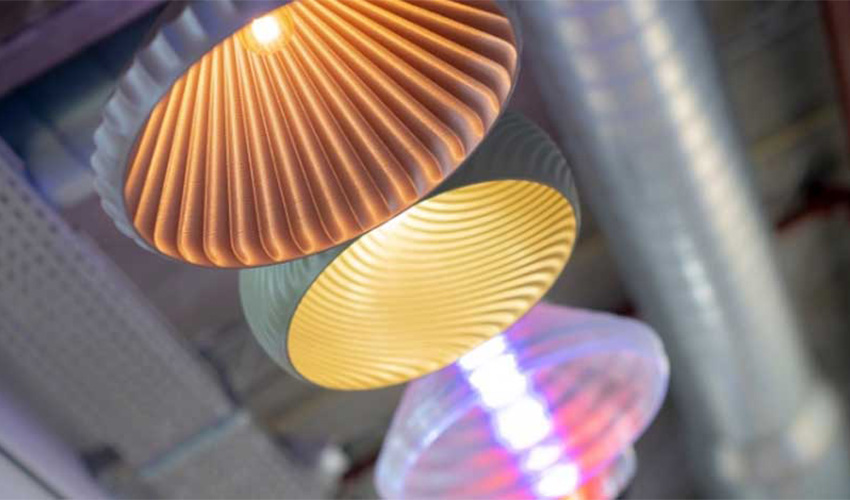 NewsIndian Manufacturer, Signify, Makes 3D Printed Luminaries to Reduce its Carbon FootprintKnown for its use in the automotive, aerospace and architectural sectors, 3D printing is now present in many fields. And the interior design sector is no exception. To decorate our homes and obtain functional objects, additive manufacturing offers several advantages.…
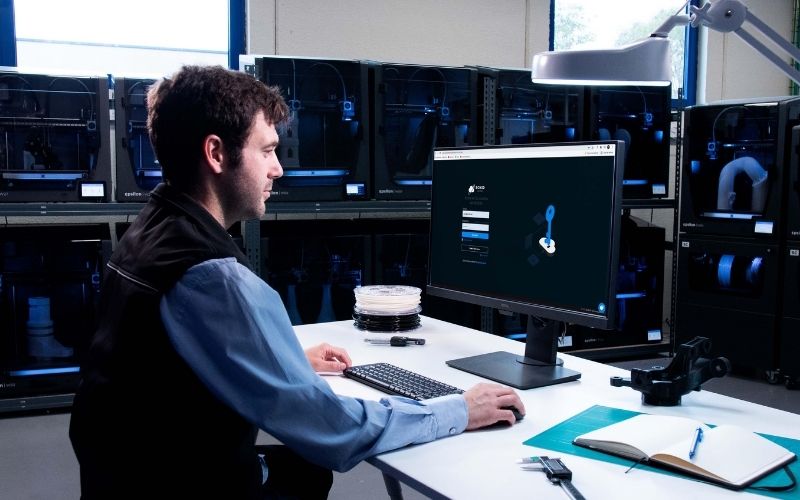 PrintersBCN3D Has Launched its New 3D Printer Cloud Management TechnologyEarlier this year, leading FDM printer manufacturer BCN3D acquired 3D printing cloud software management platform AstroPrint. Now, building on that acquired cloud technology, the Barcelona-based company is launching a new cloud platform, that will allow the centralization of remo