Materials
Termite Waste Used for Powder-Based 3D Printing Processes
Compared to traditional production methods, additive manufacturing (AM) offers the advantage of producing little or no waste. However, it is no secret that there is still room for improvement for 3D printing in terms of sustainability. In particular, the direct…
- 3 min read
- Materials
- Six more stories
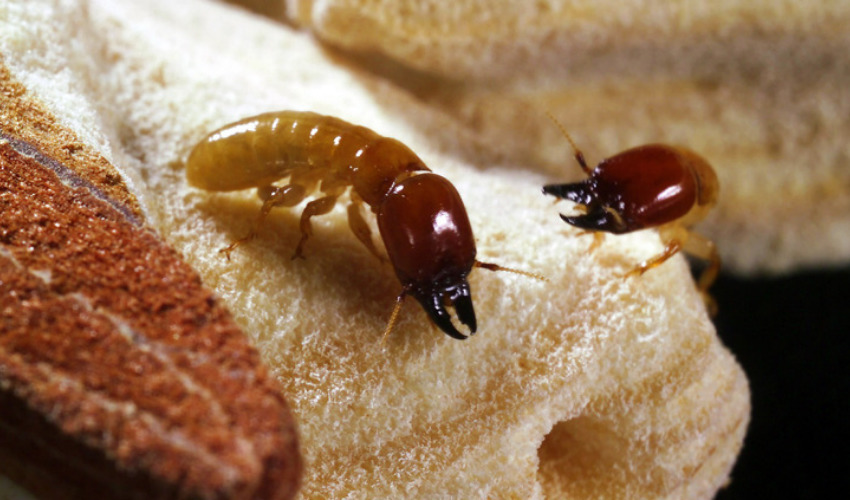
Compared to traditional production methods, additive manufacturing (AM) offers the advantage of producing little or no waste. However, it is no secret that there is still room for improvement for 3D printing in terms of sustainability. In particular, the direct and indirect energy consumption for operation as well as for the production of the materials have an impact on the ecological footprint of the various technologies. For example, the preparation of the printing material for powder-based processes, which are used in particular in metal 3D printing, is also resource- and energy-intensive. It is therefore hardly surprising that more and more projects are dedicated to finding more sustainable filament alternatives. In a recent report by the German Federal Institute for Materials Research and Testing (BAM), which researches the potential of the circular economy for materials science, materials engineering and chemistry, the institute analyzes a recent project to use termite droppings as a 3D printing material.
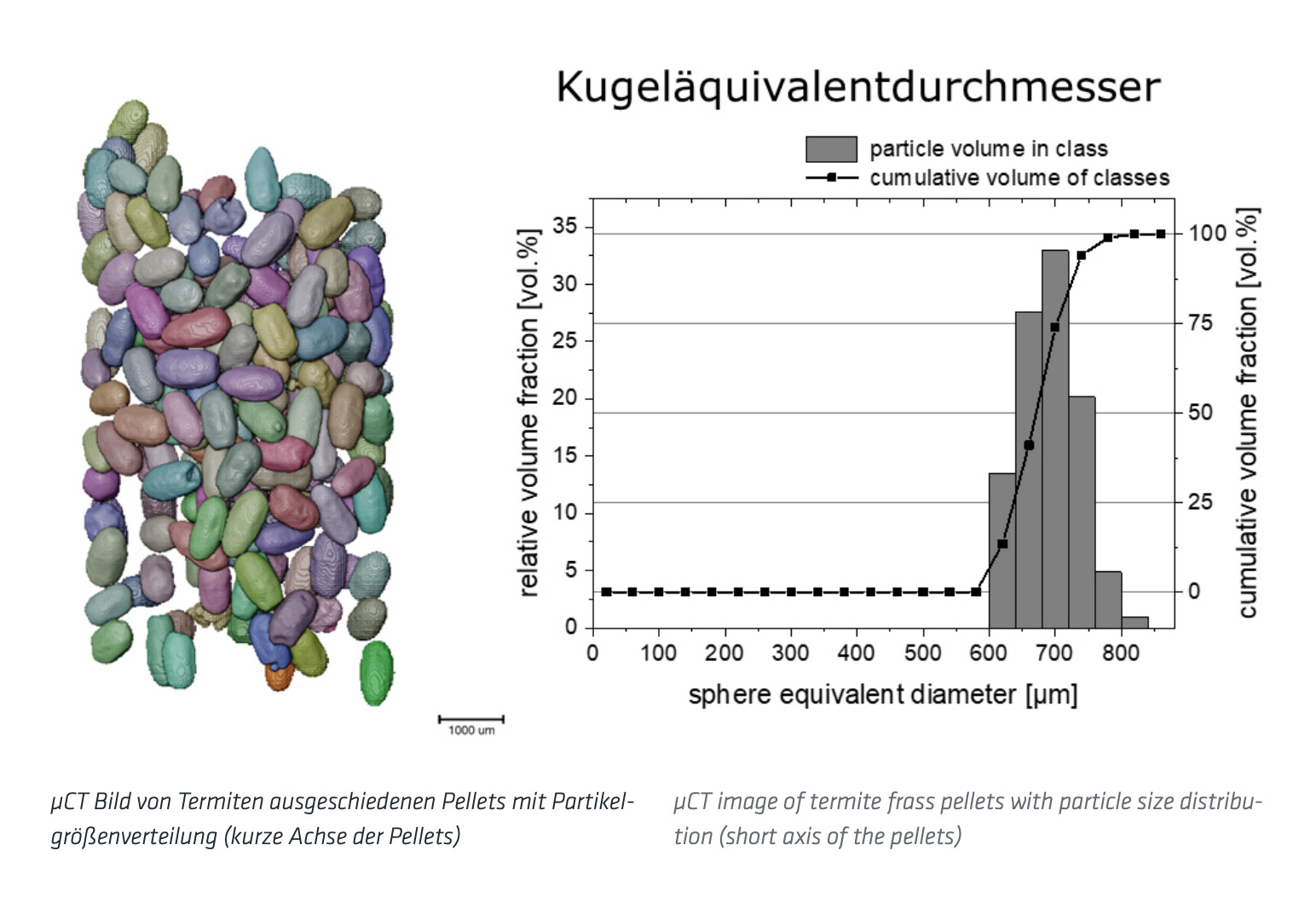
Photo Credits: Federal Institute for Materials Research and Testing (BAM)
Strictly speaking, this is the excrement of European house borer Hylotrupes bajulus and dry wood termites Incisitermes marginipennis. According to BAM, these droppings consist of small pellets with good flowability, making them suitable for use in powder-baesd 3D printing. In particular, the fact that the droppings are produced in a natural process and can therefore be used as a sustainable source material is of great interest. However, the use of such a natural material source would not only lead to savings in costs and emissions, but can also provide a remedy for the generation of hazardous sources such as fine dust or nanoparticles. These are otherwise often generated in the preparation of the printing material and in the process itself (e.g. metal dust). Because the fine dust remains airborne, it poses a risk to human health.
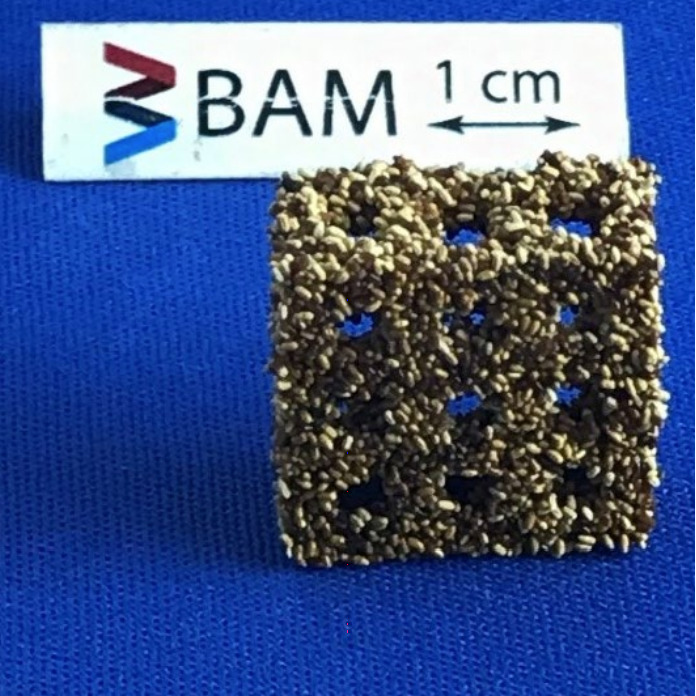
Photo Credits: BAM
Due to their size, the termite excretions, so-called pellets, do not pose a health risk. With a size of 0.6 – 1mm, the length of these pellets is up to two orders of magnitude larger than the usual printing materials for powder-based processes – but this can even be an advantage for some components. For example, coarser powders enable the production of parts with higher layer thicknesses and thus result in higher build rates. To make the pellets suitable for manufacturing products such as furniture, the parts should then processed with a binder. For the binder, too, the Federal Institute for Materials Research and Testing relies on a natural raw material in the form of tree resins. You can access the complete publication HERE.
More from the desk
Six other notes from the rest of the bench.
 NewsMore Cost-Effective 3D Printed Steel Without “Heating and Beating”Even as metal 3D printing grows in popularity, especially as a way to create complex metal shapes, there are still obstacles to overcome. One significant one, can be the high production costs, for example due to the need for significant…
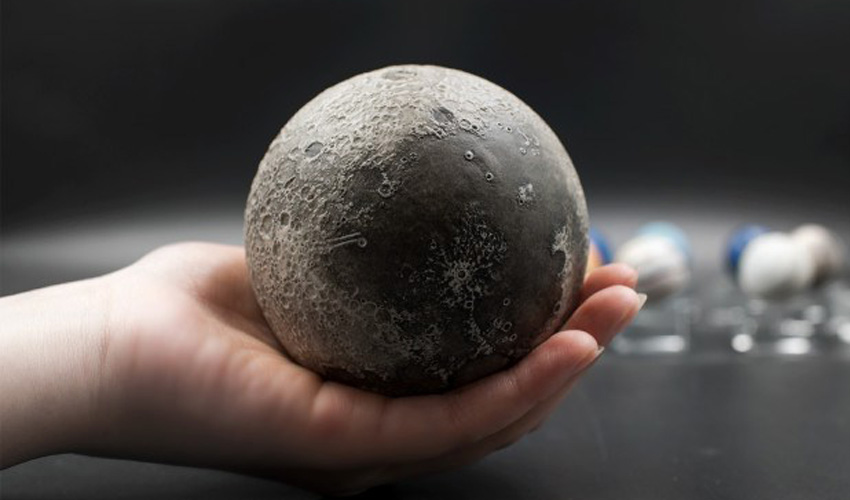 NewsYou Can Now 3D Print The Moon and View Launch Sites in ARThe Earth has only one moon, so it has a special place in our hearts. Since landing on it (and not going back for 45 years), The Moon has remained a mysterious place. It follows us almost 400,000km away as…
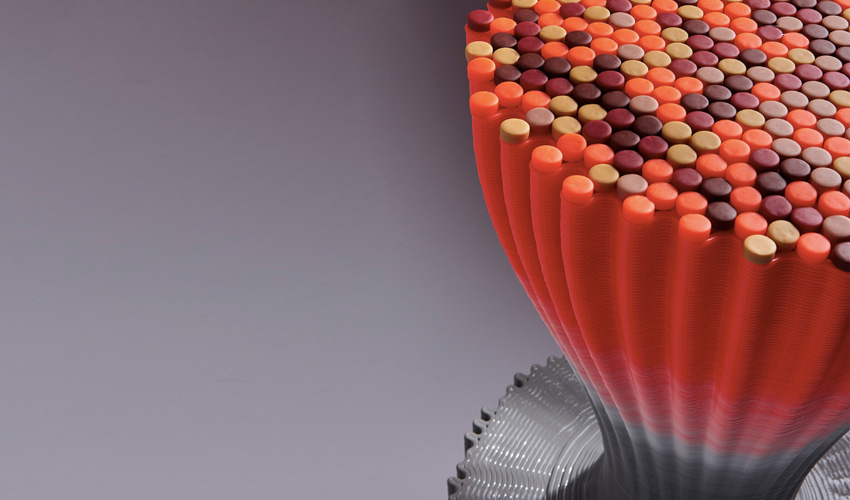 GuidesNagami, exploring the design of the future with new technologiesNagami is a design studio based in Ávila, Spain that has become known worldwide in recent months for the presentation of Zaha Hadid Architects chairs at the Milan Design Fair or the Voxel Chair v1.0 in the Georges Pompidou Museum in…
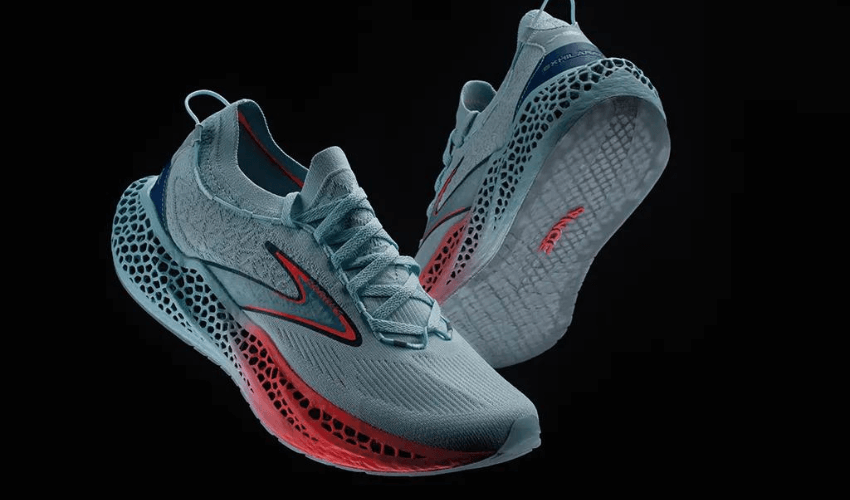 NewsBrooks Is 3D Printing the Soles of Sneakers for Better Running PerformanceWe have all seen adidas’ continued success in the 3D-printed footwear market, and increasingly we are seeing more and more players entering into this field. One example is Brooks Running which has renewed its partnership with manufacturer HP. In 2017,…
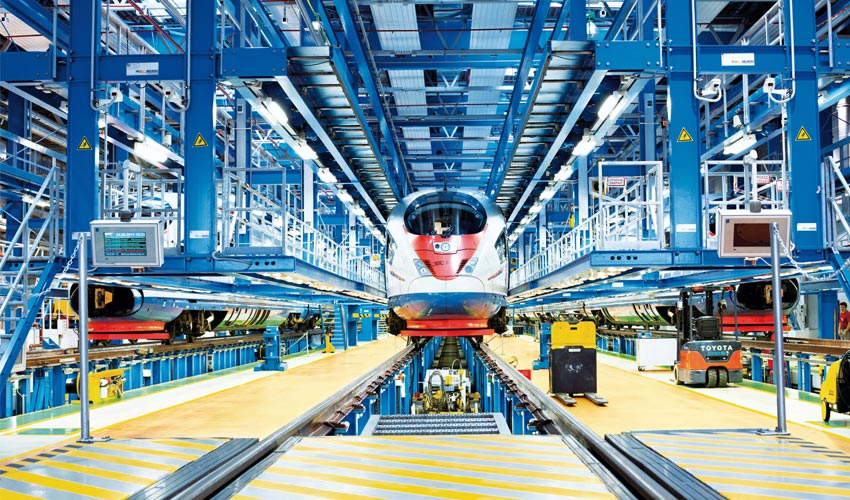 NewsSiemens Mobility further invests in 3D printing to support rail maintenance operationsSiemens Mobility Services is continuing its collaboration with the manufacturer Stratasys by investing in new Fused Deposition Modeling machines: these are expected to be used for maintenance operations in Russia, particularly on Velara trains for the RZD railway company. Accordi
 NewsWEBINAR: Elevating Additive and Traditional Manufacturing With Advanced High-Purity SinteringIn today’s competitive manufacturer environment, sintering comes with many challenges. There are long wait times to acquire systems, with extensive facility requirements. Most systems also come with high operating and maintenance costs — not to mention complex setups for some&hel