News
Researchers Develop More Sustainable Lithium-Ion Batteries with 3D Printing
Researchers from the University of Glasgow have a developed a novel type of 3D printed battery which relies on electrodes made from vegetable starch and carbon nanotubes. The battery could offer a more environmentally friendly and higher capacity source of…
- 3 min read
- News
- Six more stories
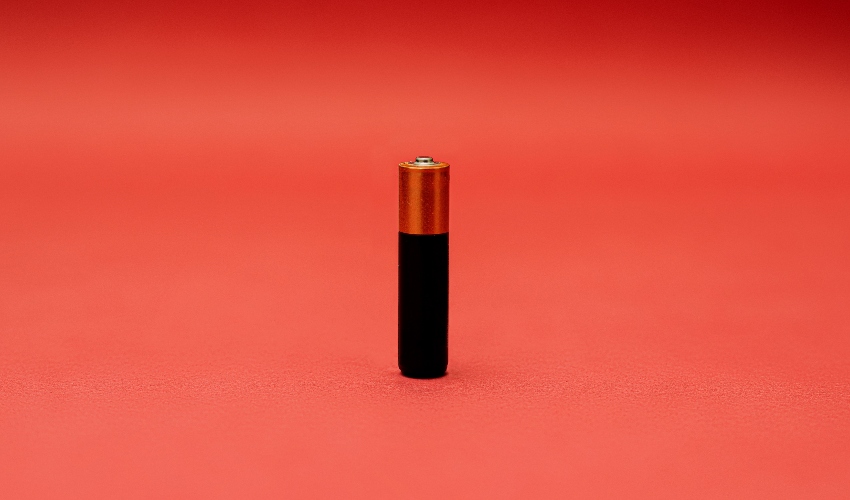
Researchers from the University of Glasgow have a developed a novel type of 3D printed battery which relies on electrodes made from vegetable starch and carbon nanotubes. The battery could offer a more environmentally friendly and higher capacity source of power for devices such as phones. The team of engineers focussed their energies on developing an alternative to lithium-ion batteries, which was both more sustainable as well as capable of storing delivering power more efficiently.
Dr Shanmugam Kumar, lead researcher, commented: “Lithium-ion batteries are increasingly common in everyday life and are likely to continue to increase in ubiquity as we move towards more electrification of transport and a more sustainable world. However, lithium-ion batteries have their own sustainability issues, so it’s important that we look to find new ways to make them better and more environmentally friendly.” As such the team incorporated polylactic acid, a biodegradable material processed from the starch of corn, sugar cane, and sugar beet, thus increasing the battery’s recyclability.
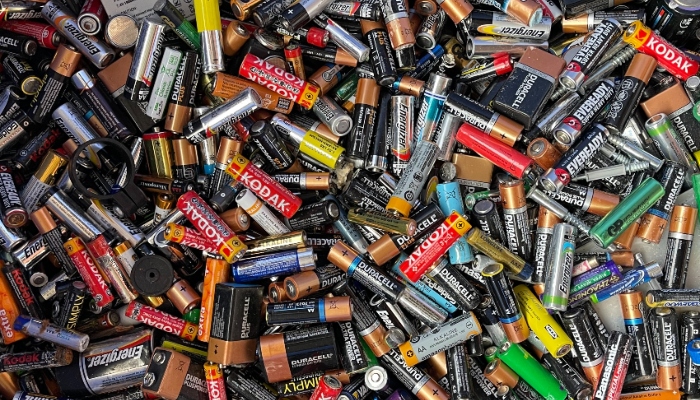
Improperly disposed batteries contribute to water and air pollution. (Photo Credit: John Cameron on Unsplash)
The durability and amount of energy current of traditionally manufactured lithium-ion batteries is limited by the thickness of their electrodes. This is because thicker electrodes restrict the diffusion of lithium ions and decreases their strain tolerance making them more prone to cracking. Once an electrode breaks, the battery can no longer function. As such, the researchers sought to improve the balance between the size and surface area of electrodes. This is where additive manufacturing comes in.
More from the desk
Six other notes from the rest of the bench.
 ApplicationsA Customizable Concept Car Made With 3D PrintingAt the Japan Mobility Show held at the end of last year, carmaker Daihatsu Motor Co presented several new vehicles. One of these was a concept car called me:MO, featuring several 3D-printed parts. The small electric car is said to…
 NewsTop 5 Videos: 3D Printed Fashion Designs & More!This week’s Top 5 Videos include videos ranging from 3D printed fashion designs to 3D printing in education, and more. This shows how versatile 3D printing is and how many industries it can benefit. Remember, a new Top 5 Videos…
 NewsHempla Presents 3D-Printed Meditation Accessories Made From HempAt a time when the trend is to use more environmentally-friendly raw materials in the production of everyday objects, SofiaHagen x Studio Marmi have worked together to create 3D-printed furniture from hemp. Called Hempla, this is a collection of seats…
 NewsThe 3D Printing Job Offers of the Month: NovemberWith 3D printing expanding and advancing daily, new jobs are constantly emerging. Have you ever thought about working in additive manufacturing? Or are you already an expert seeking a new challenge? Either way, we’ve collected five of this month’s most promising…
 News#3DPrintingDay 2018: the international day of 3D printing!The International Day of 3D Printing is celebrated today the 3rd of December (3D). This leaves an opportunity for us at 3Dnatives to revisit the evolution of technology and its future trends. We have prepared a video to illustrate the rapid…
 PrintersWhat is the outlook for 3D printer sales in 2020?The research firm CONTEXT recently published a report on 3D printer sales in 2020. Given the current health crisis, these have already decreased compared to last year, even though the last quarter of 2019 was not very conclusive. In recent…