Software
#Startup3D: Diabatix on Using Generative Design for Cooling in 3D Printing
In the most demanding industries, such as aerospace or automotive, the creation of parts requires exhaustive quality control to ensure they are suitable for their intended purpose. One of these aspects to be taken into account is the cooling of…
- 3 min read
- Software
- Six more stories
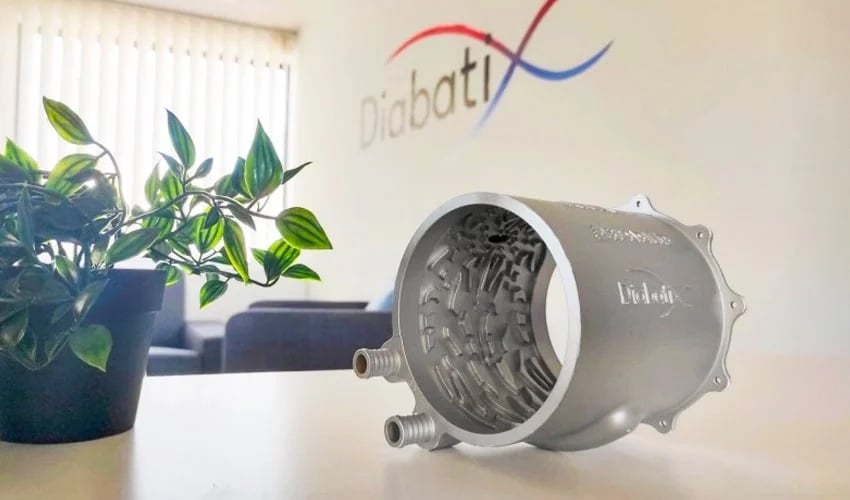
In the most demanding industries, such as aerospace or automotive, the creation of parts requires exhaustive quality control to ensure they are suitable for their intended purpose. One of these aspects to be taken into account is the cooling of the parts. In order to obtain higher quality, certain manufacturers need to create cooling channels that prevent components from overheating. The same is true when using 3D printing as a production method, especially when working with metallic materials. That’s why Belgian startup Diabatix has developed the ColdStream platform that allows you to use its generative design systems for increased cooling of parts, even those that have been 3D printed. We spoke with its team to learn more about the young company and its role in the additive manufacturing industry.
3DN: Could you introduce yourself and your connection to 3D printing?
I am Lieven Vervecken, the founder and CEO of Diabatix. I have two master’s degrees in engineering and a PhD in fluid mechanics from the University of Leuven (Belgium), so I think it’s fair to say I have a strong technical background. Immediately after completing my PhD in 2015, I founded Diabatix. During the first few years of Diabatix my main focus was on technology and software development but as the company grew, my role evolved towards business development and the management of the company. Today, I have a Head of R&D and a Head of Product & Operations in my management team that take full care of the technical aspect of the company.

Lieven Vervecken, CEO and founder of Diabatix
My first contact with 3D printing was during the summer holidays of my first year at university in 2005. I had the opportunity to work as a student at Materialise for a few weeks. I was the ‘assistant’ of the R&D engineer who was responsible for the development of their Mammoth 3D printers. You can’t be any closer to the development of these machines. The nice thing was, I actually did this student job for 5 years in a row. As a result, the moment the Diabatix started, I was very well aware of the capabilities of 3D printing and the value we could bring if we would adopt our technology to this manufacturing process.
More from the desk
Six other notes from the rest of the bench.
 ApplicationsADDITIV Medical World Puts a Focus on Different Applications for 3D Printing in HealthcareADDITIV Medical World is nearly here! The half-day event will be dedicated to exploring the intersection of medical 3D printing and healthcare in a series of panel discussions and workshops. Taking place on June 6th, 2023, it will be an…
 NewsFormnext Chicago 2025 Postponed for Later DateWho could have imagined it? While the industry is bustling with news about the upcoming Formnext in Frankfurt with daily updates about new products and announcements, it is Formnext Chicago 2025 instead that is causing a stir. The Chicago trade…
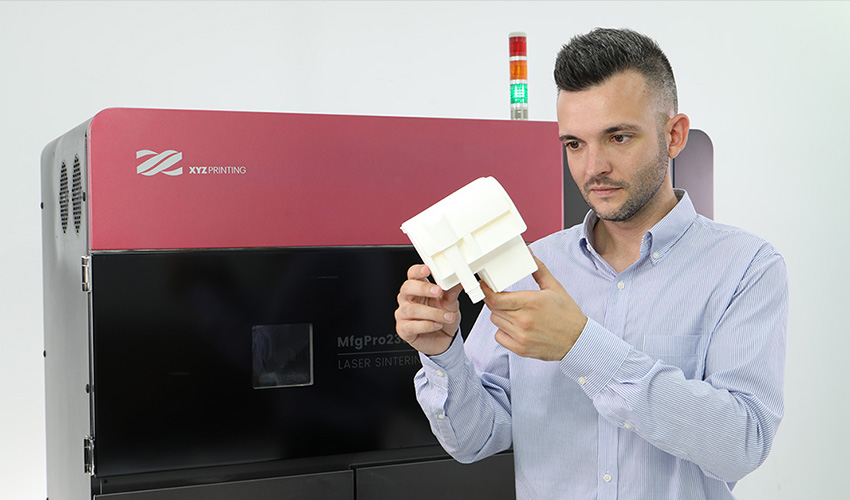 MaterialsXYZprinting SLS Machines Are Compatible with High Performance PP and TPU3D printing solutions manufacturer XYZprinting has announced a partnership with AM Polymers to offer two new materials for its selective laser sintering (SLS) machines. The range now includes an FDA-approved, food-grade PP01 polypropylene powder and a PB01 TPU powder for…
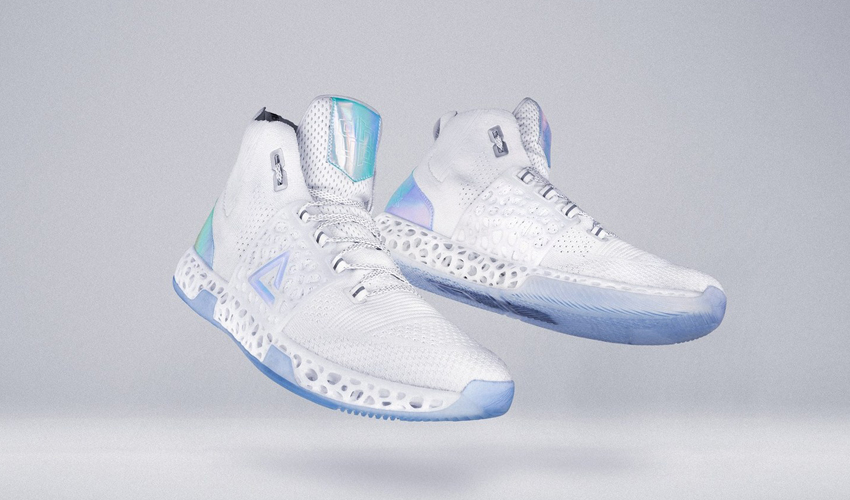 NewsPEAK unveils their first 3D printed basketball shoesPEAK is a Chinese company who, since 1989, has manufactured sporting goods and boasts several professional sportsmen among their customers. At a recent press conference this month, the company has announced their latest innovation for the famous basketball player Dwight…
 News#TOP5 videos: Bird was saved by 3D printing and much more!We found the TOP 5 videos of the week related to 3D printing and collected the additive manufacturing here. Share your videos and comment on the article below or on the 3Dnatives’ Facebook or Twitter account. Hope you’ll enjoy and…
 Printers3Dnatives Lab: Testing the Artec Leo 3D ScannerOver the years, the manufacturer Artec 3D has made a name for itself in the professional 3D scanner market thanks to the success of its portable Eva and Spider models. More recently, the manufacturer has evolved its range with the…