Applications
Smart Scaffolds for Strong Bones: The Potential of 3D/4D Bio-Piezoelectric Printing
In recent years, the marriage of bioengineering and 3D printing has brought remarkable advancements to the field of medicine. One area where these technologies hold immense potential is bone regeneration. Human bones possess a unique property known as piezoelectricity, enabling&h
- 3 min read
- Applications
- Six more stories
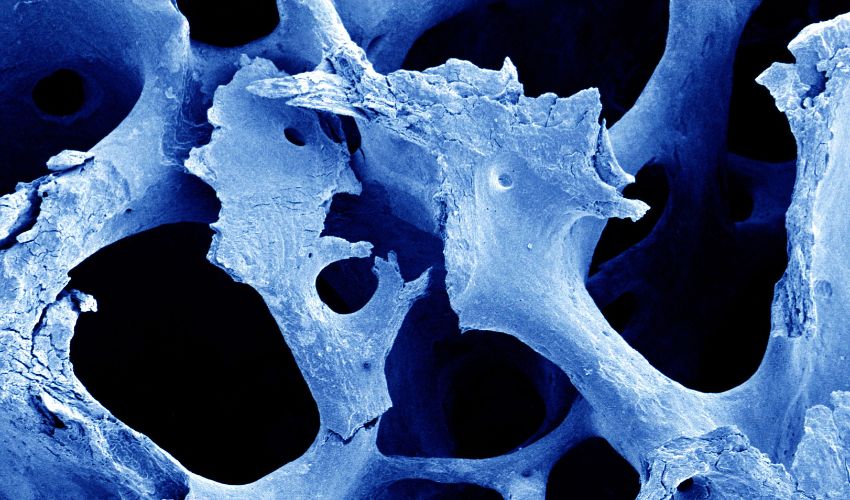
In recent years, the marriage of bioengineering and 3D printing has brought remarkable advancements to the field of medicine. One area where these technologies hold immense potential is bone regeneration. Human bones possess a unique property known as piezoelectricity, enabling them to generate electric charges when subjected to compression or tension. This phenomenon plays a crucial role in bone repair, promoting cell metabolism and new bone formation. Despite these natural benefits, current additive-manufactured scaffolds often neglect the essential electrical microenvironment necessary for efficient bone regeneration. However, a groundbreaking study published in the International Journal of Extreme Manufacturing sheds light on the promise of 3D/4D printed bio-piezoelectric scaffolds, offering a transformative approach to next-generation bone tissue engineering.
Piezoelectricity in human bones has been a well-established mechanism for bone regeneration. This discovery has opened new avenues for researchers to explore lead-free biological piezoelectric materials, which boast excellent processability, biocompatibility, and multicellular inducibility. The bio-piezoelectric scaffolds derived from these materials demonstrate a remarkable ability to induce bone cell differentiation, promote vascular cell recruitment, and even contribute to nerve cell repair. The scaffolds’ most impressive feature lies in their minimally invasive or non-invasive reconstitution strategy, allowing for in vivo electrical stimulation with adjustable timelines, durations, and strength using programmable ultrasound or magnetic treatment.
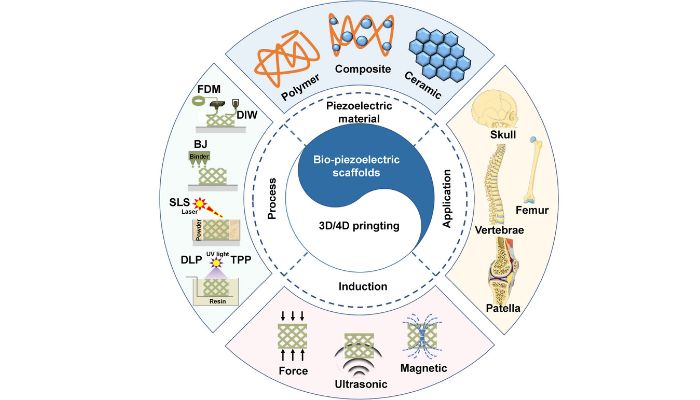
Overview of the potential of smart bio-piezoelectric scaffolds created through 3D/4D printing methods like DIW, FDM, BJ, SLS, DLP, and TPP, as a promising alternative for bone tissue engineering. (Photo credits: Annan Chen et al 2023 Int. J. Extrem. Manuf.)
A significant advancement in 3D printing technology, known as four-dimensional (4D) printing, has further bolstered the potential of bio-piezoelectric scaffolds. This 4D printing involves the creation of structures that exhibit time-dependent functionality-shifting behavior in response to external stimuli. As a result, the 4D functionality-shifting bio-piezoelectric scaffolds offer a programmable electrophysiological microenvironment, which significantly aids tissue regeneration.
More from the desk
Six other notes from the rest of the bench.
 NewsTOP 5 videos of the week: Tracking 3D prints and much more!We found the TOP 5 videos of the week related to 3D printing and collected the additive manufacturing here. Share your videos and comment on the article below or on the 3Dnatives’ Facebook or Twitter account. Hope you’ll enjoy and…
 NewsCoronavirus: which 3D printing events have been postponed?Events around additive manufacturing – trade fairs, conferences, meetups, maker faires – are important events for the sector allowing many players and users to exchange and discover the latest market trends and technologies. With the worldwide spread of the coronaviru
 NewsThe Top Innovations at Formnext 2023Formnext 2023 is officially over! However, you do not need to leave the show behind just yet. 3Dnatives was on the scene last week to get all the latest news from one of the world’s biggest events in additive manufacturing…
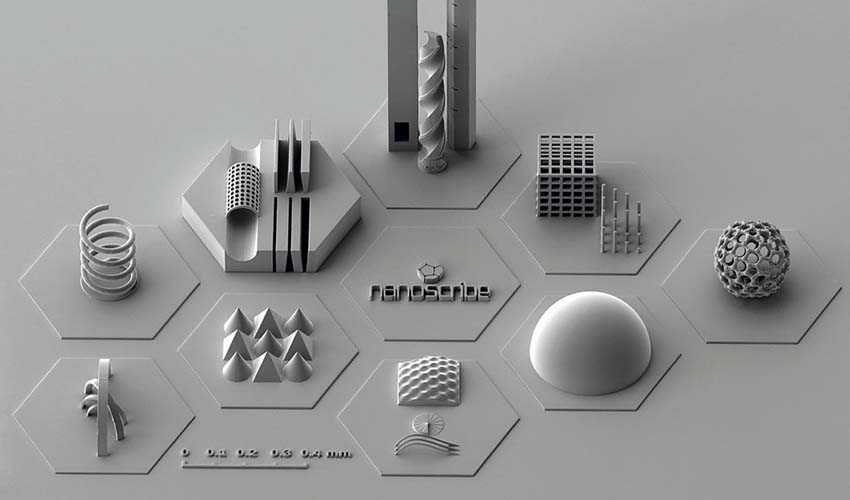 NewsNanoscribe showcases its nano 3D printing capabilitiesNanoscribe set out to rethink microfabrication when it integrated its two-photon polymerization (2PP) technology in 3D printers to enable nano, micro and mesoscale fabrication back in 2007. Today, it counts customers in over 30 countries worldwide, in science and in…
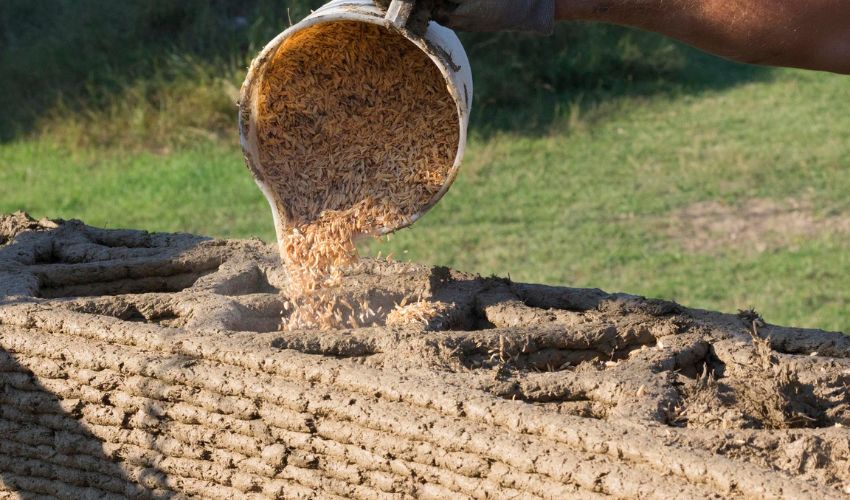 NewsUNDP Turns to 3D Printing to Build in ColombiaWe have heard it time and time again, one of the biggest crises facing different regions in the world is the lack of housing in different areas. Whether in the US, India, the EU or anywhere else, many countries are…
 NewsSmart Design & Gantri Join Forces to 3D-Print Lighting Designed for the Home OfficeSince the start of the pandemic, the daily life of the majority of professionals has been turned upside down. Many people now work from home to avoid contracting or transmitting viral illnesses. With so many people across the globe being…