News
Selective Laser Sintering (SLS) 3D Printing Guide 2026
Selective Laser Sintering (SLS) 3D printing is a powder bed fusion process that uses a laser to fuse polymer powder into solid, functional parts layer by layer. SLS 3D printing works by spreading thin layers of material, selectively sintering each…
- 3 min read
- News
- Six more stories

Selective Laser Sintering (SLS) 3D printing is a powder bed fusion process that uses a laser to fuse polymer powder into solid, functional parts layer by layer. SLS 3D printing works by spreading thin layers of material, selectively sintering each cross-section with a CO₂ laser, and repeating until the object is complete. It is widely used for durable polymer parts (commonly nylon) in aerospace, automotive, and prototyping applications due to its ability to produce complex parts without support structures or assembly.
The development of selective laser sintering or SLS technologies began in the 1980s. Dr. Carl Deckard and Dr. Joe Beaman of the University of Texas at Austin (USA) developed the foundations of powder bed fusion technologies. These technologies are capable of manufacturing with multiple materials from polymers to metals, thanks to the application of a laser. When referring specifically to SLS technologies, we are talking about plastic polymers, mainly nylon. However, this has somewhat changed in the last few years, as we will touch on.
In fact, the two doctors, Deckard and Beaman, patented Selective Laser Sintering. Also, they were involved in the creation of DTM Corporation, now part of 3D Systems (since 2001). Since then, many companies specializing in powder melting techniques have emerged, including Farsoon Technologies, specifically specialized in SLS. Finally, it should be noted that a process similar to SLS had been invented and patented back in 1979 by R.F. Housholder but was never commercialized.
More from the desk
Six other notes from the rest of the bench.
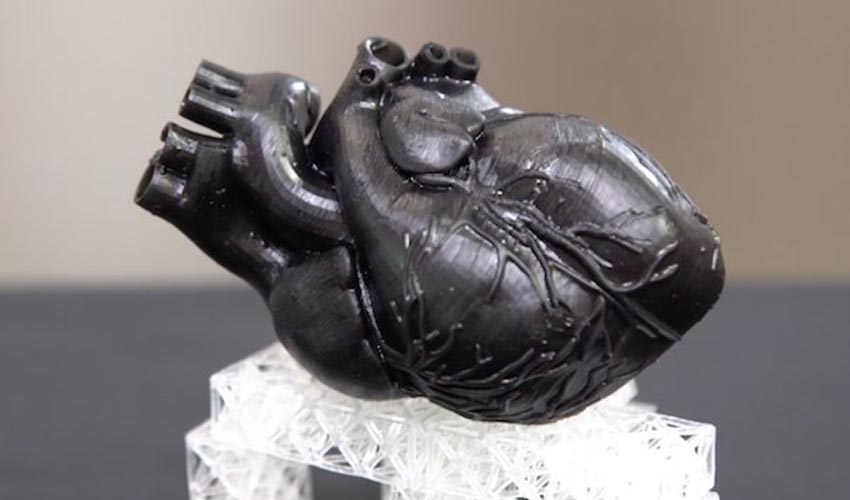 NewsNew material from Adaptive3D: the world’s softest tough photopolymer?DSM and Adaptive3D are partnering to commercialise what they call the world’s softest tough photopolymer. Royal DSM is a global-company, providing products and solutions for Nutrition, Health and Sustainable Living – the company provides innovative solutions for human and a
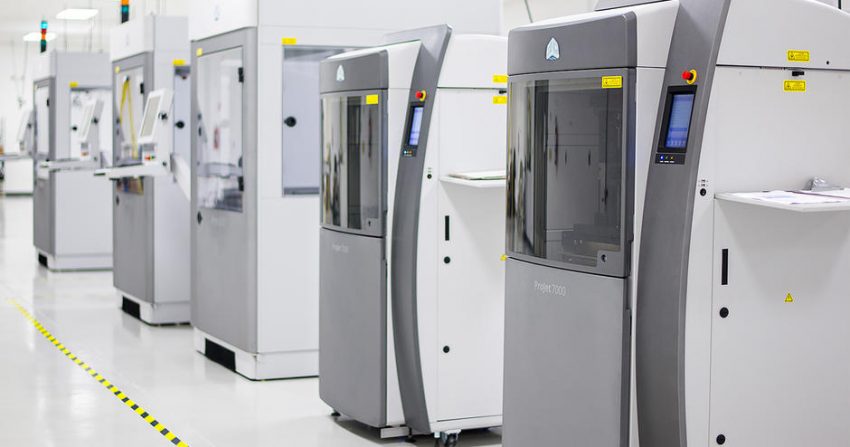 NewsECO 3D: The latest economic news in 3D printing for AugustProgress towards the future of 3D printing continues to grow, whether it be in the introduction of new, promising technologies, or within the production chain of a company who has implemented additive manufacturing to propel their production even further. In…
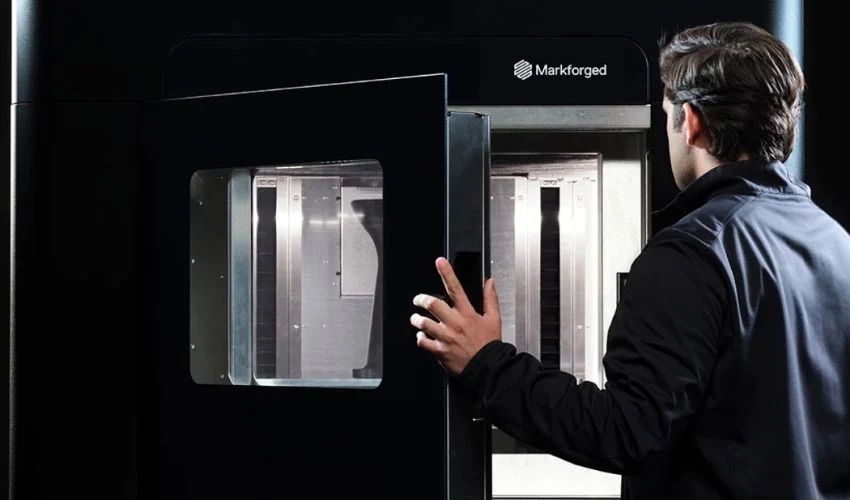 NewsWhy Nano Dimension Is Selling Markforged and What Stratasys GainsThe additive manufacturing sector is once again making headlines with news that revives one of the market’s most active chapters. Nano Dimension has announced the signing of a definitive agreement to sell Markforged to Stratasys, in an all-cash transaction valued…
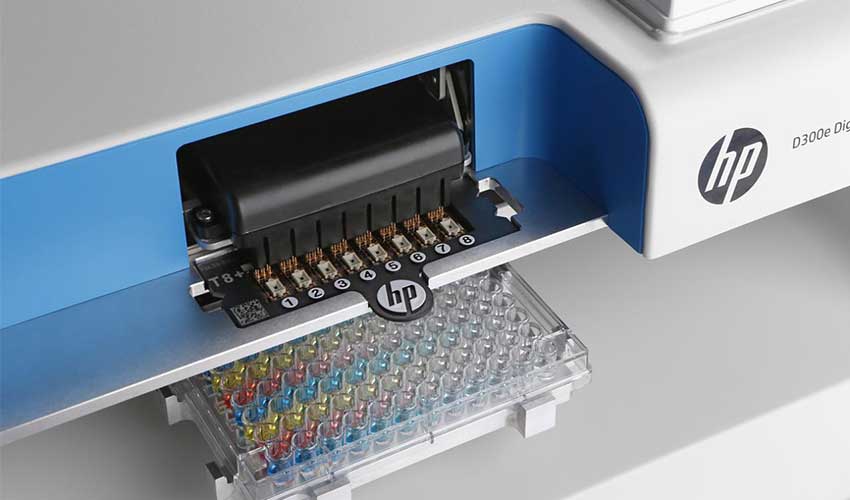 NewsHP BioPrinter; the dispenser that will bioimpress antibioticsWe have seen the US giant go way opening multiple sectors within the additive manufacturing from 3D color printing to 3D metal printing. Just recently they announced their new HP Metal Jet plans coming up. But it is not their only announcement this year. They…
 ApplicationsKorean Researchers Are Leading the Charge for International Standardization for Medical 3D PrintingIncreasingly, we have seen that 3D printing is becoming more and more commonplace in the healthcare sector. From surgical guides to prostheses and more, additive manufacturing’s flexibility and ability to customize are highly valued in the industry. That being said,…
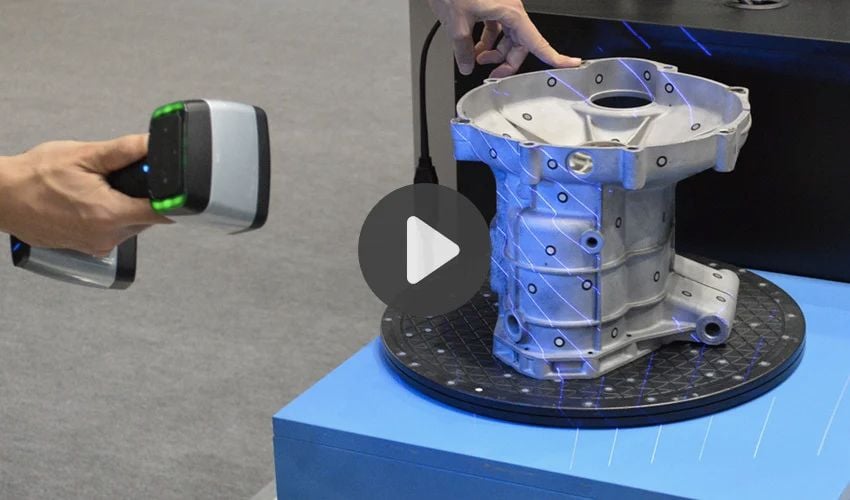 NewsSHINING 3D Offers High Precision Inspection With 3D ScanningSHINING 3D is a manufacturer of 3D digital technologies. Its ecosystem of solutions covers the entire digital manufacturing workflow, from 3D scanning to 3D printing, design and inspection, in a wide range of applications and industries. At Formnext this year…