Materials
SANDHELDEN Turns to Binder Jetting and ExOne for its Sustainable, Sand Projects
Sand binder jetting is increasing in popularity when it comes to end-use parts. This is due to a variety of factors. For one, binder jetting is one of the fastest additive manufacturing technologies and sand binder jetting, in particular, is…
- 3 min read
- Materials
- Six more stories
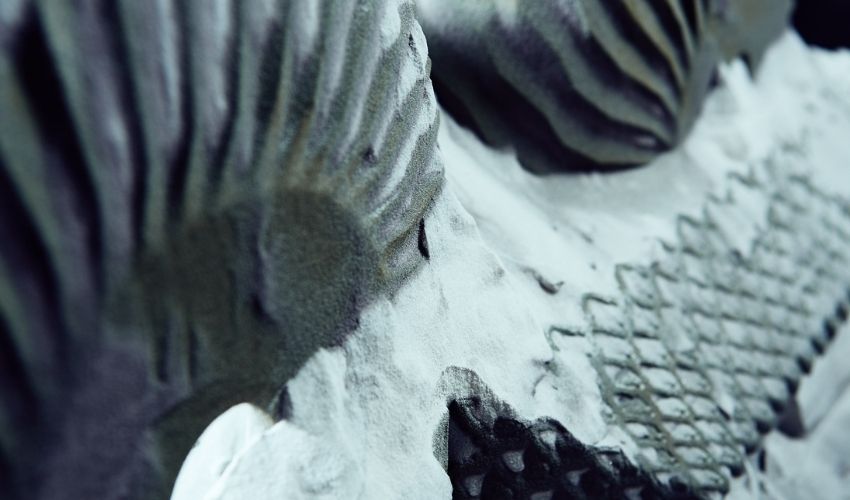
Sand binder jetting is increasing in popularity when it comes to end-use parts. This is due to a variety of factors. For one, binder jetting is one of the fastest additive manufacturing technologies and sand binder jetting, in particular, is even faster than its metal counterpart, as it involves significantly less post-processing. Additionally, using sand as a building material is more environmentally-friendly and cost-effective than many traditional options. For these reasons, among others, SANDHELDEN, a global leader in the production of 3D printed design elements made of sand, has turned to the leader in sand binder jetting, ExOne, to create its products.
SANDHELDEN is known for its sustainable bathroom products, including sinks and bathtubs, created using sand 3D printing. Since 2016, the company has been working with the sand binder jetting experts at the 1,800 m² ExOne Adoption Center in Gersthofen, in the heart of Germany. Though ExOne sand 3D printing is perhaps best known for metal casting molds and cores or other tooling purposes, this partnership has allowed both companies to advance the strengths of the technology.
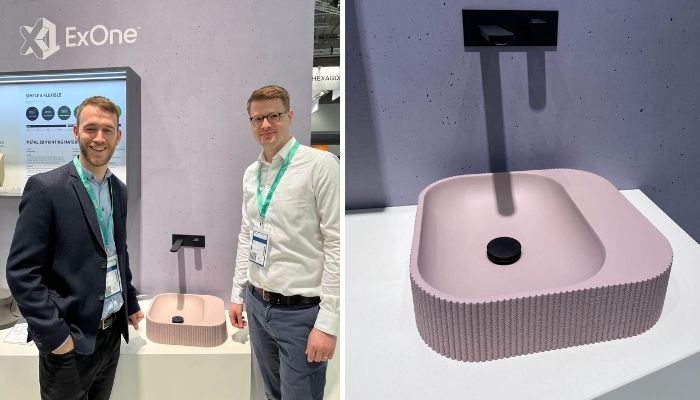
SANDHELDEN showed their creations at ExOne’s booth at Formnext (photo credits: SANDHELDEN)
SANDHELDEN Uses the S-Max 3D Printer from ExOne for its Sand Binder Jetting Needs
But how are durable, waterproof sinks and bathtubs made from sand? As with any 3D printing process, it starts with a CAD model, a 3D image that serves as the basis for the printed molds. This is transferred to one of the 3D printers at the ExOne adoption center.
More from the desk
Six other notes from the rest of the bench.
 News3DExpress: Etsy Tightens Rules on Selling 3D Printed GoodsDo you consider a 3D printed object handmade? The online global marketplace Etsy sells unique items that are “unique items made, designed, handpicked or sourced,” but the website hosts many 3D print shops selling mass-produced, unoriginal designs. To address this, the
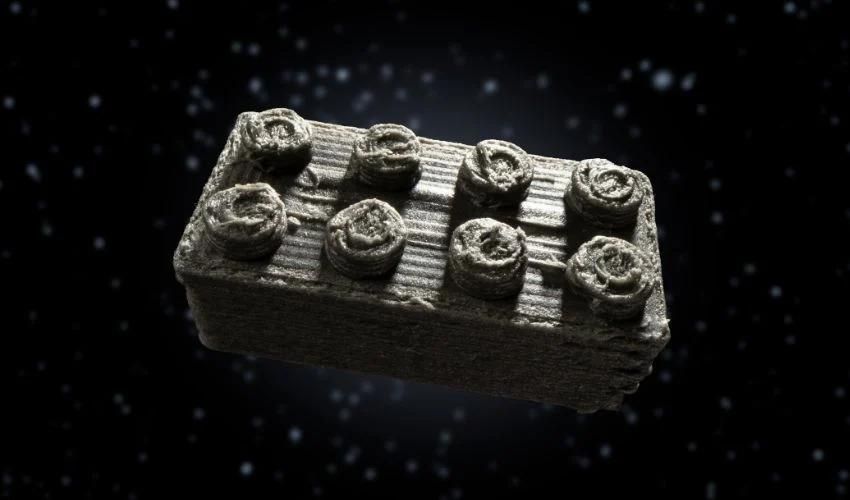 ApplicationsLEGO 3D Prints Bricks from Regolith to Promote Space ExplorationWhat might life on the moon look like? How can lunar resources be utilized to build local infrastructure? How will astronauts—and possibly future lunar inhabitants—live? These are crucial questions being explored by ESA and NASA. As part of the Artemis…
 NewsWhat Not to Miss at RAPID + TCT 2025Rapid + TCT 2025 is opening its doors today! Once again taking place in Detroit, the event will bring together the leading voices in additive manufacturing over three days of innovation, networking and expert-led conferences. But with over 400 exhibiting…
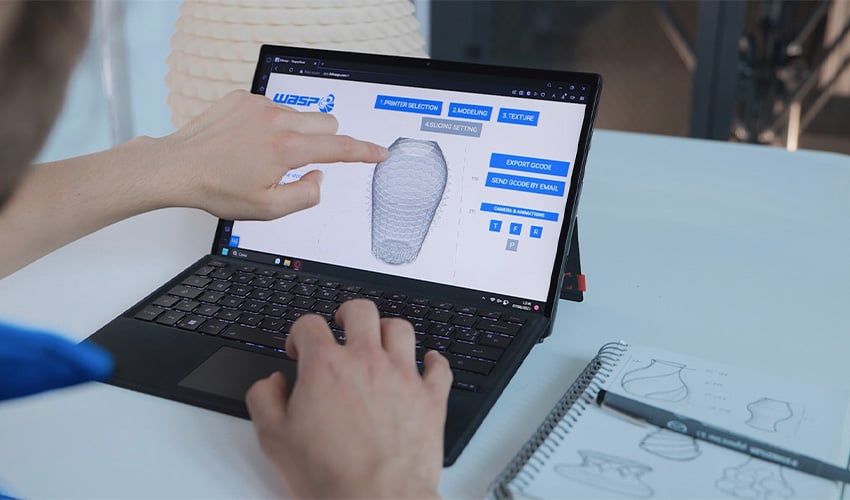 SoftwareWASP Unveils New Parametric Design Software AppWASP holds a significant position within the construction 3D printing sector. The company from Italy has introduced the WASP App, a parametric design software aimed at enhancing the user experience in crafting with clay. Clay has emerged as a primary…
 ApplicationsTriastek’s Latest 3D Printed Drug for Ulcerative Colitis Can Target the Colon Directly3D printing is increasingly making its way into healthcare, including in pharmaceuticals. Indeed, a few different companies are exploring the use of additive manufacturing to create custom drugs for better treatment of diseases. Now one of the largest, Chinese manufacturer&hellip
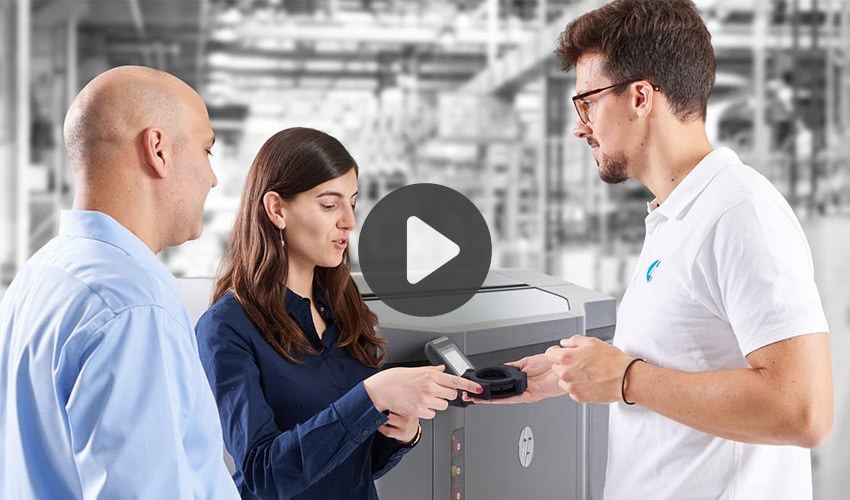 News#TOP5 videos of the week: HP 3D prints spare parts and more!We found the TOP 5 videos of the week related to 3D printing and collected the additive manufacturing here. Share your videos and comment on the article below or on the 3Dnatives’ Facebook or Twitter account. Hope you’ll enjoy and…