Software
Rutgers Team Develops Dual Digital Twin Approach to Strengthen Cybersecurity in AM
For the fifth year in a row, IBM’s X-Force Threat Intelligence Index 2026 found that manufacturing remains the most targeted industry for cyberattacks. The sector accounted for 27.7% of incidents, only a slight increase from 26% last year. And the…
- 3 min read
- Software
- Six more stories

For the fifth year in a row, IBM’s X-Force Threat Intelligence Index 2026 found that manufacturing remains the most targeted industry for cyberattacks. The sector accounted for 27.7% of incidents, only a slight increase from 26% last year. And the financial impact is significant. According to Arctic Wolf, the median cost of a manufacturing ransomware attack handled by its Incident Response team reached $600,000 in 2026, but total losses can easily climb into the millions.
So what can manufacturers do to protect themselves? A team of engineers at Rutgers University has proposed a new approach to defending additive manufacturing systems, particularly those producing mission-critical parts for national security and infrastructure. Rajiv Malhotra, an associate professor in the Rutgers School of Engineering Department of Mechanical and Aerospace Engineering, coauthored a paper on the subject that was published in the Journal of Manufacturing Systems. The research proposes a digital twin framework designed to improve manufacturing resilience. Before diving into that approach, it’s worth understanding why manufacturing has become such a frequent target.
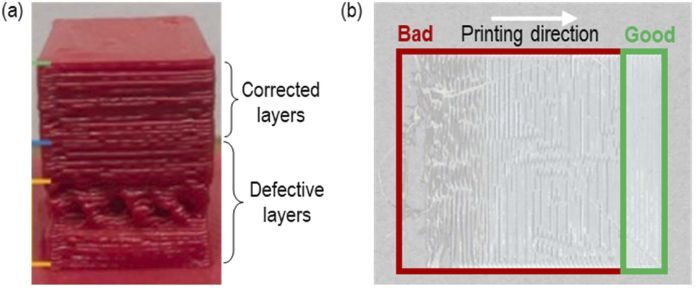
The digital twins were able to ensure that printing was corrected. (Image credit: Cleeman et al.).
Why Is Manufacturing a Target?
There are a few key reasons manufacturing continues to attract cyberattacks. According to cybersecurity company Arctic Wolf, one is the industry’s reliance on highly interconnected systems, many of which still run on legacy software not built with modern cybersecurity in mind. That makes them easier to exploit.
More from the desk
Six other notes from the rest of the bench.
 ApplicationsWhy Did a Porsche 911 Suddenly Appear on a Polish Beach in Gdynia?The Porsche 911 is considered an exceptional car not only among car enthusiasts today, but also in the past as a classic car. But what would you say if we told you that exactly such a Porsche 911 washed up…
 NewsGiant 3D printed butterfly sanctuary building in New York CityThe Brooklyn-based nonprofit architecture and urban design group, Terreform One revealed an incredible design concept for an urban ‘Monarch Butterfly’ sanctuary to be set in the Big Apple. The vertical meadow façade they imagined would be 3D printed in carbon…
 News#3DExpress: New York Stock Exchange to Start Delisting Proceedings Against Velo3DNow that September is here, the 3D printing market is once again waking up after the summer vacation to prepare for a sure-to-be busy year with major events coming up at the end of 2024 and the beginning of 2025.…
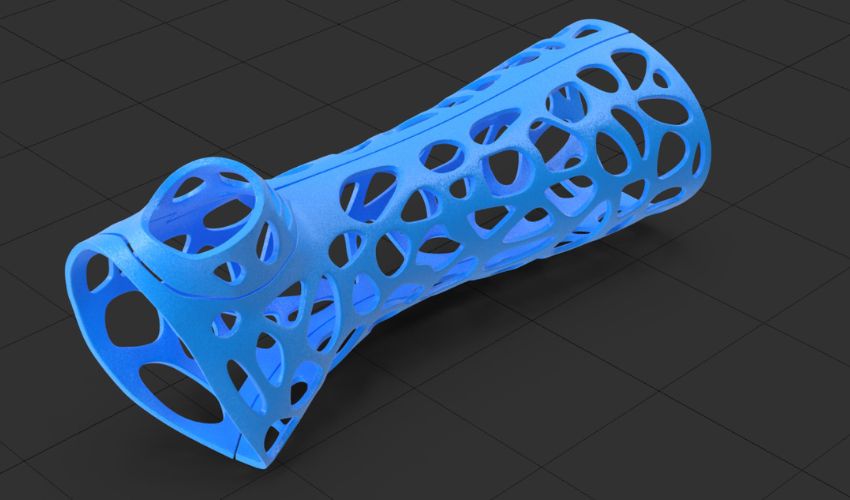 SoftwareIntuitive, Collaborative, and Creative 3D Modeling with RealityMAX3D modeling is an important step for all those using 3D printing. Especially for users who prefer to create their own designs, implementing each step from A to Z themselves. In addition to additive manufacturing on an industrial scale or…
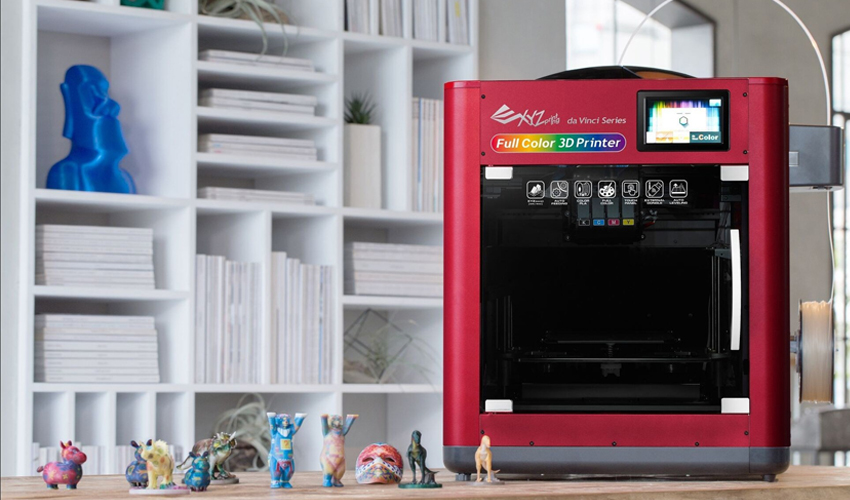 PrintersThe Da Vinci Color 3D printer: Inkjet and FDM 3D printing in oneChinese company XYZprinting has revealed their new line of 3D printers last week, which includes the Da Vinci Color, a machine that is capable of 3D printing up to 16 million different shades of CMYK color code. Printing in color is…
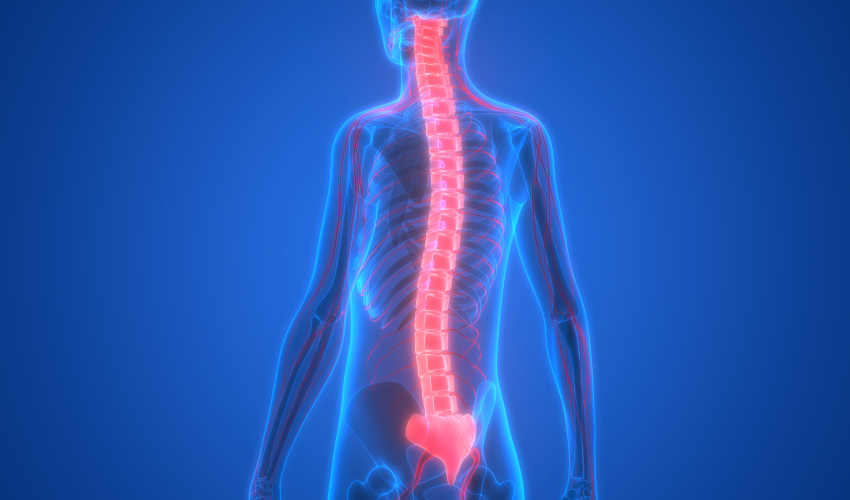 Applications3D printing to treat spinal cord injuriesResearchers from the University of California, San Diego, have successfully treated rats with spinal cord injuries using 3D printing. Their research offers hope for people with the same injury. 3D printing to help heal spinal cord injuries The Researchers from…