Applications
Nomad Prototypes Unveils Resin-Based 3D Printed Drone
In aviation, the use of 3D printed drones has already revolutionized our perception of aerial possibilities. These devices, the result of a fusion between 3D printing and modern aviation, offer unprecedented flexibility and adaptability. We’ve already seen a number of&helli
- 3 min read
- Applications
- Six more stories
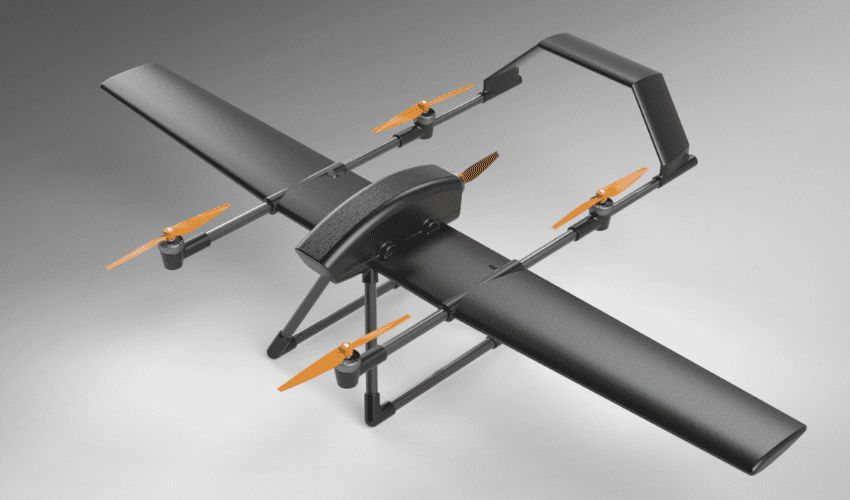
In aviation, the use of 3D printed drones has already revolutionized our perception of aerial possibilities. These devices, the result of a fusion between 3D printing and modern aviation, offer unprecedented flexibility and adaptability. We’ve already seen a number of examples, such as drones designed to extinguish fires, assist in construction and repair, or even carry out military missions.
Nomad Prototypes, a company based in the United Arab Emirates, has introduced a resin-based 3D printed drone as an alternative to thermoplastic models. This drone, powered by a high-performance battery, has a flight time of 37 minutes without a payload. Nomad Prototypes is focused on researching new 3D printing methods with the goal of producing the world’s largest 3D printed drone.
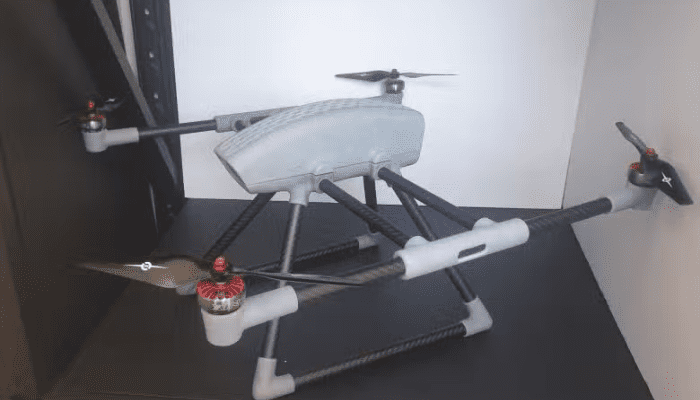
Nomad Prototypes highlights a challenge encountered in 3D drone printing using FDM technology – the inherent issue of part strength variance due to directional printing. Simply put, this results in weaker points between layers. While suitable for smaller drones, scalability becomes an issue, as increased structural thickness amplifies weight without proportionate strength gains compared to traditional manufacturing methods. Over the past decade, the company has extensively explored various 3D printing techniques such as FDM, SLA, SLS, and Multi Jet Fusion. In their endeavor to construct the world’s largest 3D-printed plastic drone, Nomad Prototypes strategically opts for a combination of SLA and pellet extrusion methods, leveraging their distinct advantages for optimal results.
More from the desk
Six other notes from the rest of the bench.
 ApplicationsProdrive 3D Prints Car Parts for Dakar Rally 2021Two months ago, the Amaury Sport Organisation once again held its Dakar Rally as it has every year since 1978, this time in the desert in Saudi Arabia. With less than seven cars in ten making it across the finishing…
 NewsTop 5 Videos: Palaeontologists Use 3D Printing to Complete Skeleton of Prehistoric BearIt is once again Sunday, which means it is time for the week’s top 5 3D printing videos! This week’s content features another Inside 3D Tour at 3D Printing company XJet’s headquarters, how additive manufacturing’s contributions in the field of…
 NewsKohler Unveils its 3D Printed Sink, Rock.01Recently, partnerships between artists and 3D printing companies have been on the rise. At the end of September, Zellerfeld partnered with artist and designer Heron Preston to develop the HERON01, a fully 3D printed shoe. And examples of this type…
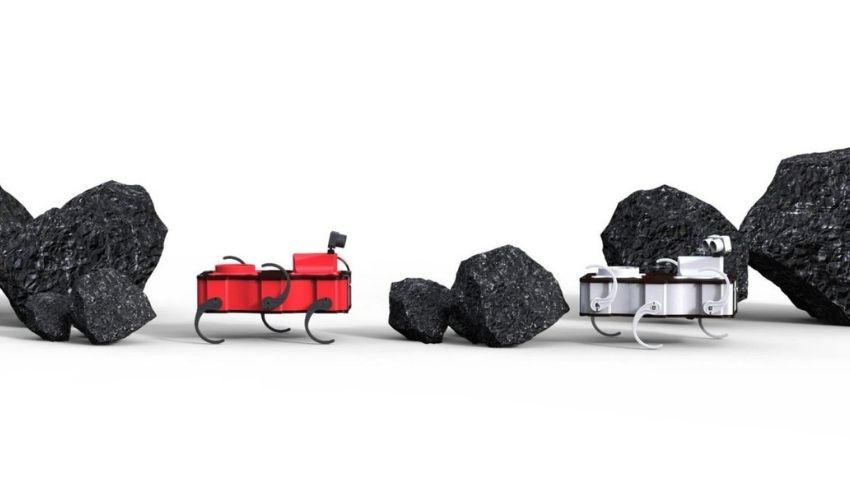 ApplicationsZebro Robots to Use 3D Printing to Help Colonize MarsWhat may still sound like science fiction to some is actually becoming more and more likely in reality: the colonization of another planet. Various projects are actively working on the implementation of ideas that are supposed to bring about the…
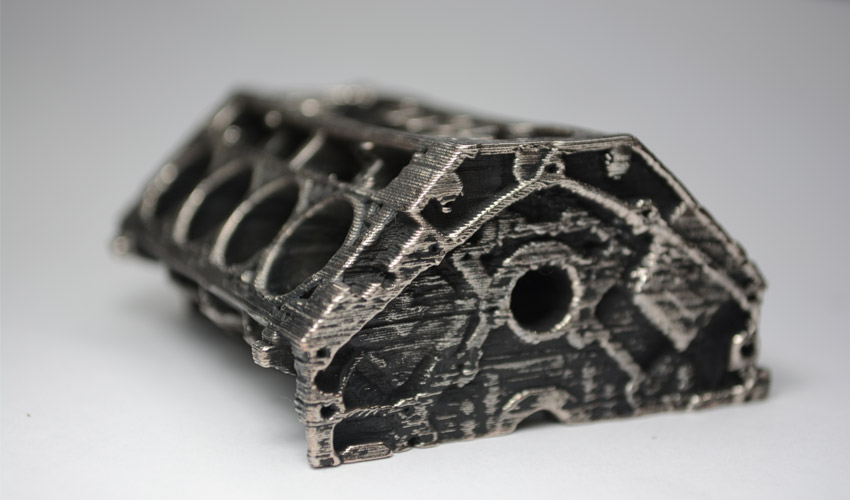 Guides#3DStartup: Virtual Foundry, 3D metal printing with FFF technologyThe Virtual Foundry is an American startup specialising in the development of materials for FDM / FFF technologies, one of its most prominent materials are its metal filaments: Filamet ™. This material is capable of creating pieces with domestic 3D printing technologies…
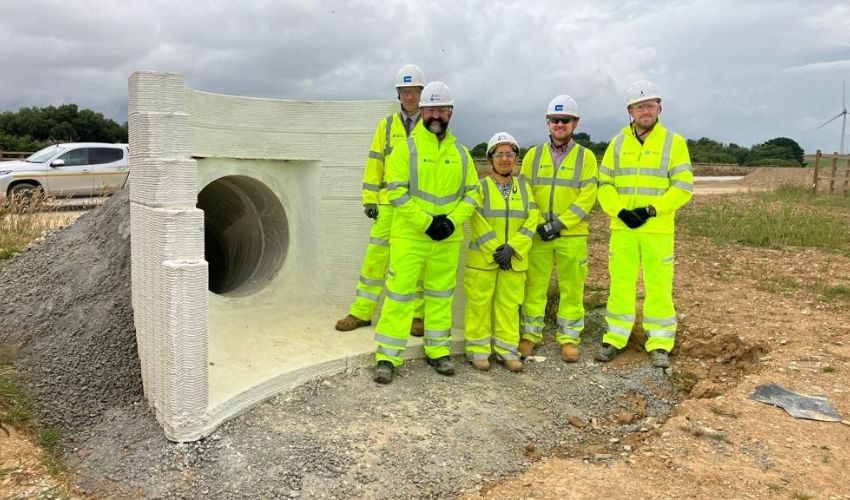 NewsCambridge Researchers 3D Print Smart Wall on UK National HighwaysCambridge researchers have achieved a significant milestone by developing the first 3D printed concrete infrastructure for a National Highways project. The innovative structure, known as a headwall, has been installed on the A30 in Cornwall and is equipped with sensors…