Applications
NASA’s 3D Printed Circuits Reach New Heights in Space Exploration
In recent years, the field of additive manufacturing, also known as 3D printing, has been rapidly gaining popularity across various industries. Its ability to offer customization, innovative design, and improved performance has led to its widespread adoption in diverse fields. Am
- 3 min read
- Applications
- Six more stories

In recent years, the field of additive manufacturing, also known as 3D printing, has been rapidly gaining popularity across various industries. Its ability to offer customization, innovative design, and improved performance has led to its widespread adoption in diverse fields. Among the many industries exploring the potential of 3D printing, space exploration remains at the forefront.
NASA, the renowned space agency, has been actively researching and developing this groundbreaking technology for use in space missions. Collaborating with academic institutions, NASA engineers recently achieved a significant milestone by testing hybrid printed electronic circuits near the edge of space, marking a crucial step in the evolution of 3D printing technology.
On the Suborbital Technology Experiment Carrier-9 (SubTEC-9) mission, launched from NASA’s Wallops Flight Facility, engineers tested the viability of printed circuits in space conditions. The sounding rocket soared to an altitude of approximately 174 kilometers (108 miles), providing valuable data during its brief flight. This successful test showcases the potential of 3D printed electronic circuits in the development of smaller spacecraft with enhanced capabilities, offering new opportunities for space exploration.
More from the desk
Six other notes from the rest of the bench.
 ApplicationsApplication of the Month: Lamborghini Uses 3D printing for the SC63 Hypercar at the 24 Hours of Le Mans 2024The use of 3D printing in motor racing has become increasingly common. The ability to rapidly produce, customize and select the most appropriate materials for each application has led many automakers to adopt this technology. In Formula 1, for example,…
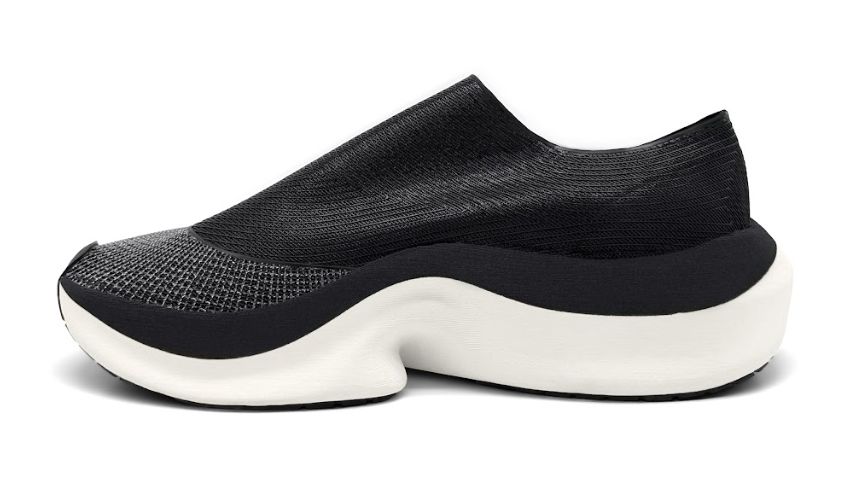 NewsWhale-Inspired 3D Printed Shoe Released by Elastium x LaLaLand3D printed shoes have been circulating in the footwear market for years. From high fashion shoes to running sneakers, we’ve seen many brands, including adidas, Dior, and ASICS, use 3D printing to create innovative products. LaLaLand Production and Design, California’s…
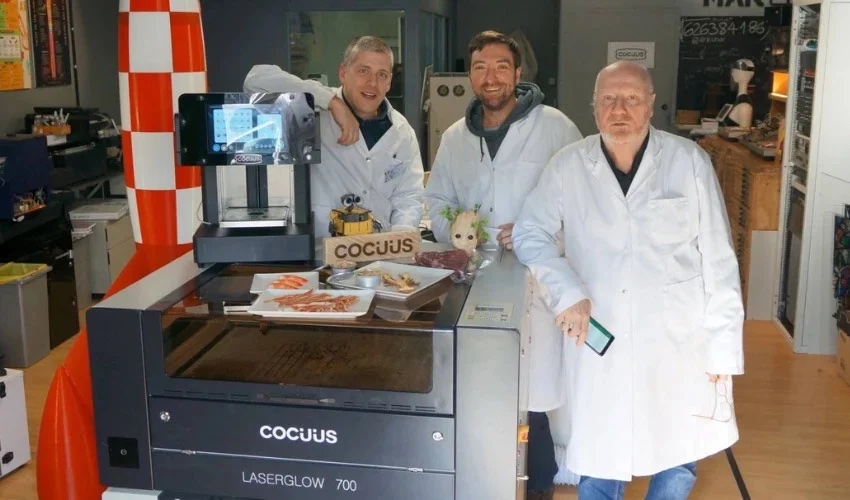 NewsSustainable and Nutritious 3D-Printed Foods Made by Cargill and CocuusHave you ever eaten any kind of 3D printed food or at least thought about trying it? Nowadays, it seems like anything is possible with the help of additive manufacturing, and more and more industries are turning to it. According…
 NewsHemp 3D printed housesThere continues to be implemented more and more green building solutions and 3D printing in construction. These developments appear in various ways and often require an innovative side to come up with something new. There are always a lot to…
 NewsCourt Orders Nano Dimension to Comply With Desktop Metal AcquisitionWe all heard the story. Back in July 2, 2024, Nano Dimension reached an agreement to acquire Desktop Metal, and Nano Dimension’s CEO at the time, Yoav Stern, emphasized that the acquisition was key to advancing additive manufacturing. Both companies…
 Applications3D Printed Patches Used for Revolutionary, Targeted Cancer TreatmentAccording to the World Health Organization, estimates for the year 2022 reveal an alarming increase in cancer cases, with 20 million new cases and 9.7 million deaths recorded, double the figures for the year 2020. Indeed, in the US, cancer…