Materials
NASA uses 3D printing to create rocket engine alloys
In another huge step towards fully 3D-printed rocket engines, NASA has successfully tested an igniter prototype made from two metal alloys. Engineers at NASA have been hard at work to produce this component using a new method of laser printing. As…
- 3 min read
- Materials
- Six more stories

In another huge step towards fully 3D-printed rocket engines, NASA has successfully tested an igniter prototype made from two metal alloys. Engineers at NASA have been hard at work to produce this component using a new method of laser printing. As a result, this could double the speed of production whilst cutting costs by a third.
This isn’t the first we’ve heard about 3D-printed rocket engines. It is however the first time that more than one metal has been used to create an engine, using conventional printing methods. To achieve this feat, engineers at Huntsville’s Marshall Space Flight Center collaborated to produce an igniter. This igniter is key in the ignition process, allowing this metal alloy to be 3D-printed.
“It is a technological achievement to 3-D print and test rocket components made with two different alloys,” Preston Jones, Director of the Engineering Directorate, Marshall Space Flight Center.
Prior to this achievement, metals were bonded with a filler metal in between to weld them together. This is a slow and expensive process however, so the improvements afforded by 3D-printing offer huge benefits.
More from the desk
Six other notes from the rest of the bench.
 GuidesTop 13 3D printed Halloween costumes and propsHalloween is tomorrow, and costumes are at the hight. It is the season to dress up and explore a different world of fantasy and scares. But if you still haven’t found your final halloween costume or need a final detail…
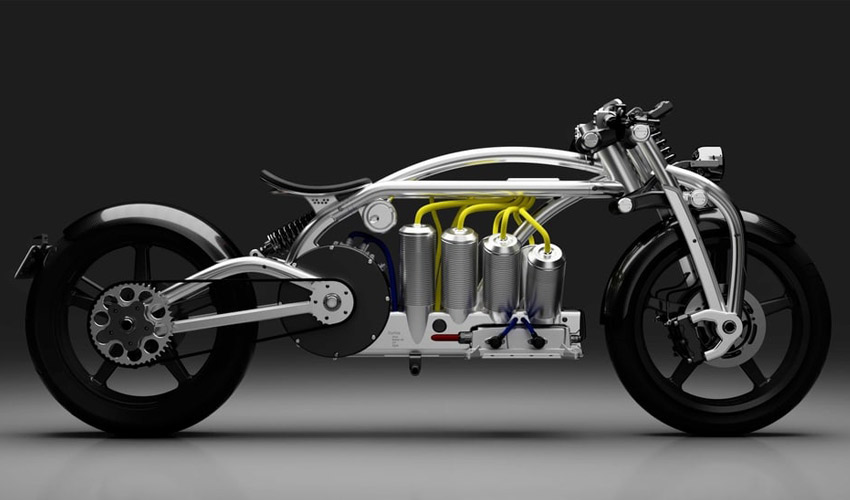 NewsCurtiss’ Zeus 8 electric motorcycle combines 3D printing and machiningCurtiss Motorcycle Company is an American startup specialised in the development of electric motorcycles and focused on more sustainable vehicles. The startup recently worked with the Fast Radius 3D printing department to make about sixty prototype parts of their new…
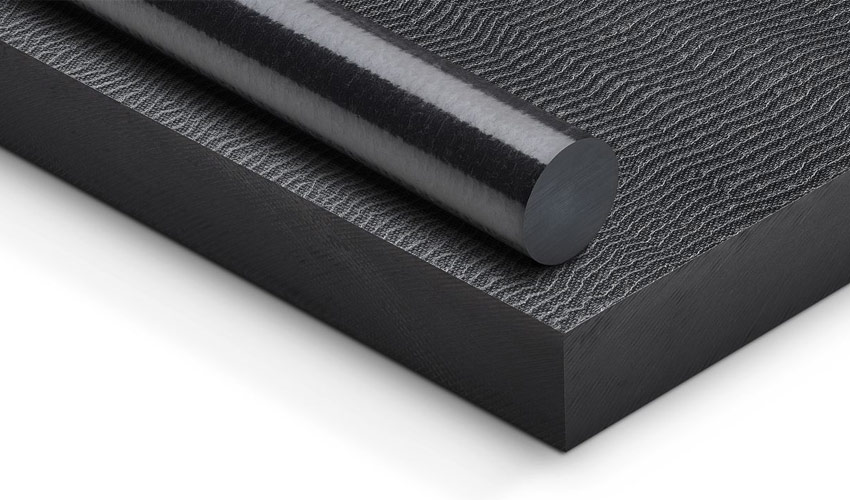 MaterialsChinese Study Explores the Advantages of Carbon Fiber Reinforced PEEK With IntamsysResearchers in China are exploring the power of short carbon fibers combined with high performance materials like PEEK using the most affordable 3D printing technology, FDM. Outlining their results in “Flexural Properties and Fracture Behavior of CF/PEEK in Orthogonal Building&he
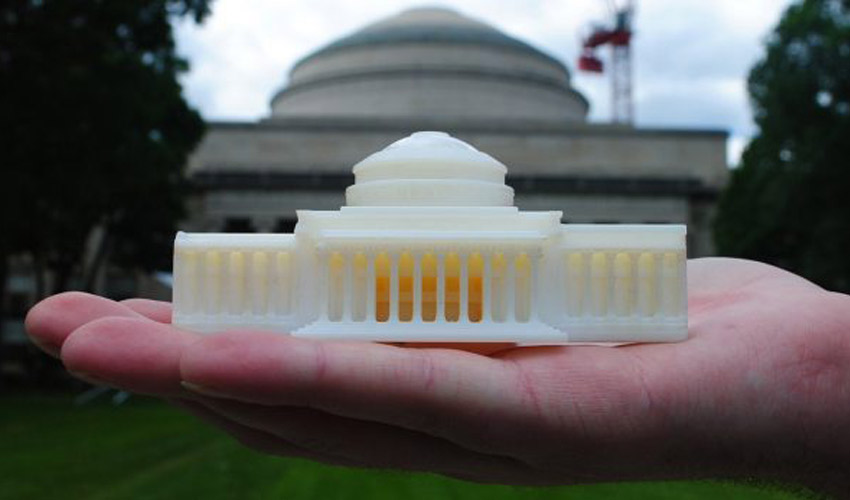 NewsMIT launches ADAPT; A consortium dedicated to additive manufacturingThe American research institute MIT announced the creation of a consortium dedicated to additive manufacturing called ADAPT (for Additive and Digital Advanced Production Technologies). The goal of this business association is to identify visionary research, scalable education pla
 Guides#TALK3D: Interview with Benny Buller, CEO of VELO3DFounded in 2014, VELO3D aims to offer a new level of design freedom in metal additive manufacturing. Over the years, the company has been enabling engineers to produce parts that were previously considered impossible to manufacture using traditional methods. To…
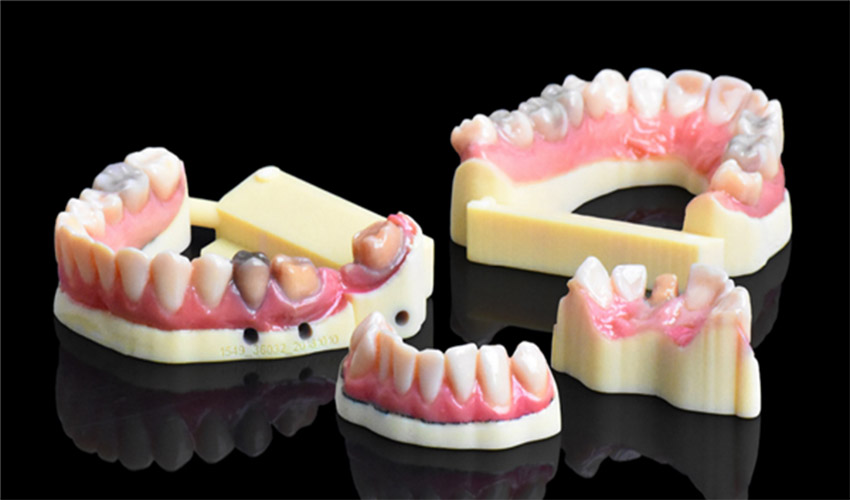 NewsStratasys J720 Dental 3D Printer makes multi-material, full-colour dental partsStratasys’ J720 dental 3D printer will launch on the market in May. It will be capable of over 500,000 combinations of colours and multi-material 3D printing. It should allow dental professionals to produce extremely realistic models customised for each patient’s…