Applications
MIT Has Unveiled 3D Printed Hearts That Look and Act Like the Real Thing
Human technology has advanced so far in the past few centuries, and it is undeniable that one of the sectors where we have seen the most growth is medical. Considering that nothing is scarier than the prospect of facing serious…
- 3 min read
- Applications
- Six more stories
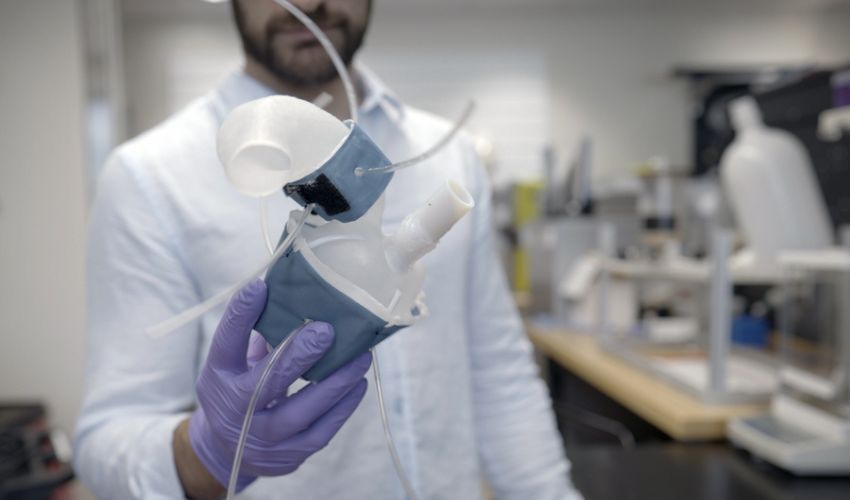
Human technology has advanced so far in the past few centuries, and it is undeniable that one of the sectors where we have seen the most growth is medical. Considering that nothing is scarier than the prospect of facing serious health issues, this is perhaps unsurprising. It is also one of the sectors that is the most innovative in general, always seeking to adopt new technologies, including of course additive manufacturing. In the latest news, MIT engineers have successfully created a 3D printed robotic heart which can perfectly replica that of a patient, down to look and even pumping, allowing for more effective treatment for heart diseases.
Heart problems are one of the largest causes of death around the world. In fact, every year about 647,000 Americans die from heart disease according to Healthline, meaning it is the cause of one out of every 4 deaths in the country. The CDC even notes that it is the number one cause of death in the USA. Furthermore, data have shown that the numbers are only increasing, with a study showing that during the pandemic the heart attack death rates in particular took a sharp turn for all age groups. As such finding ways to treat heart diseases is a number one priority for many in medicine. Here 3D printing especially could play a key role in helping to tailor treatment to each patient.
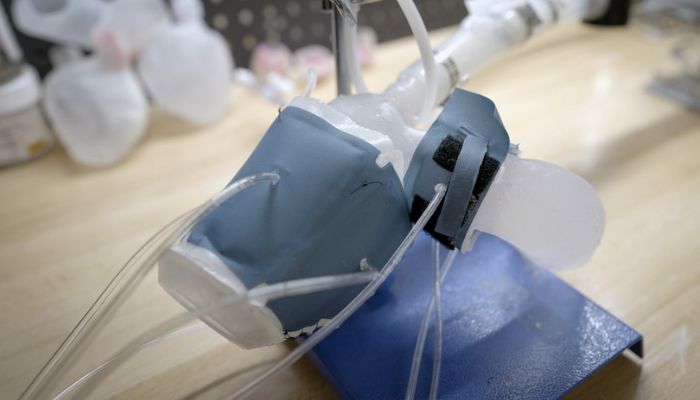
The 3D printed heart replica
A More Realistic 3D Printed Heart Replica
This particular project was the brainchild of MIT researchers including Luca Rosalia, Caglar Ozturk, Debkalpa Goswami, Jean Bonnemain, Sophie Wang, and Ellen Roche, working as well with Benjamin Bonner of Massachusetts General Hospital, James Weaver of Harvard University, and Christopher Nguyen, Rishi Puri, and Samir Kapadia at the Cleveland Clinic in Ohio. The goal? To make a robotic heart that is a soft and flexible replica of a patient in order to help treat different diseases of the hearts, including finding more suitable implants or developing the best function and fit for a synthetic valve in an aorta.
More from the desk
Six other notes from the rest of the bench.
 PrintersOrigin to begin shipping new Origin One 3D printerWe’ve been expecting the Origin One platform to start shipping for a while now. The US startup Origin announced the launch of its new machine back in May – it’s an open additive platform based on Programmable Photopolymerization technology. The…
 NewsGanit Goldstein on her vision of 3D printing for fashionGanit Goldstein is a 3D designer working on how to merge additive manufacturing technologies with fashion to bring new possibilities to the industry. Her aim is to work with new technologies to provide custom-made items that fit the wearer perfectly.…
 NewsTERA, the futuristic and sustainable home developed by AI SpaceFactoryToday, we come back on the TERA project, revealed back in May by AI SpaceFactory. If you didn’t know, TERA is a futuristic eco-habitat, showcasing a sustainable way of building on Earth. It was created with space driven technology developed…
 NewsBCN3D announces $3M in funding to boost its leadership in the IDEX 3D printing technologyThe last few months have been full of novelties for the Spanish company BCN3D. After the launch in 2018 of their new 3D printers, the Sigma R19 and the Sigmax R19, they are starting 2019 just as strong. In fact,…
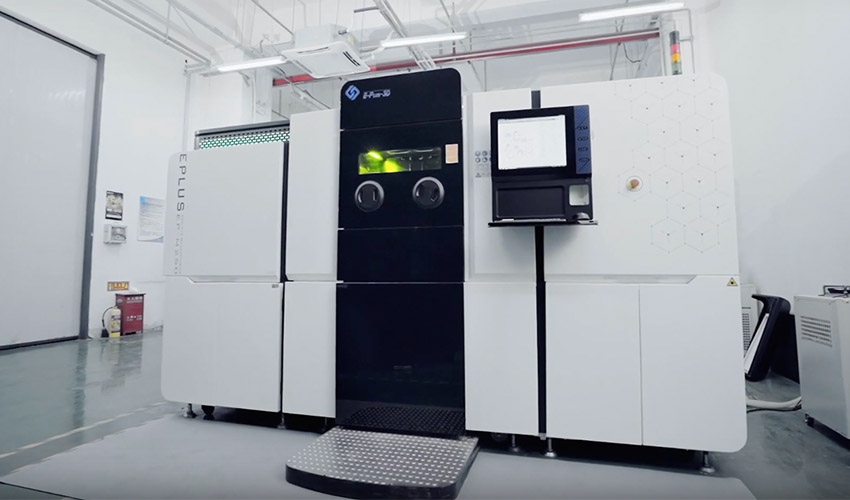 PrintersSHINING 3D expands accessible metal 3D printing with new EP-M250 Pro machineAt Formnext 2019, an unprecedented number of manufacturers presented their solutions for metal additive manufacturing, demonstrating how important this segment is and will continue to be for the industry. In fact, in a recent report focusing on metal AM, published…
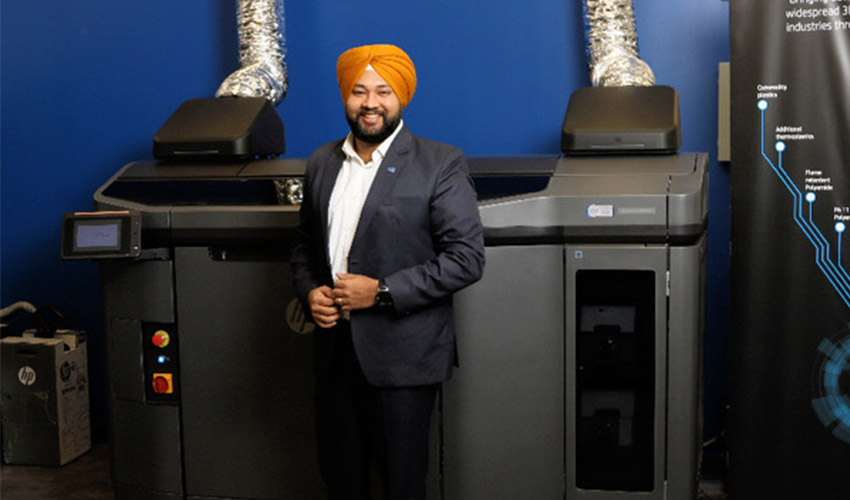 GuidesInterview with Hargurdeep Singh about his role at CAD MicroSolutionsCAD MicroSolutions is dedicated to helping mechanical and electronic customers ensure they are realizing the greatest value from their technology investment. The company offers design automation software, training, and consulting to help clients innovate, disrupt, design, and suc