Guides
Why Should You Use Metal 3D Printing for Aerospace? Experts Give Their Advice!
One of the first, and most fervent, adopters of additive manufacturing was undoubtedly the aerospace industry. The sector was drawn to the technologies as a way to help with lightweighting parts (optimizing their weight vis-a-vis their strength). Now, the use…
- 3 min read
- Guides
- Six more stories
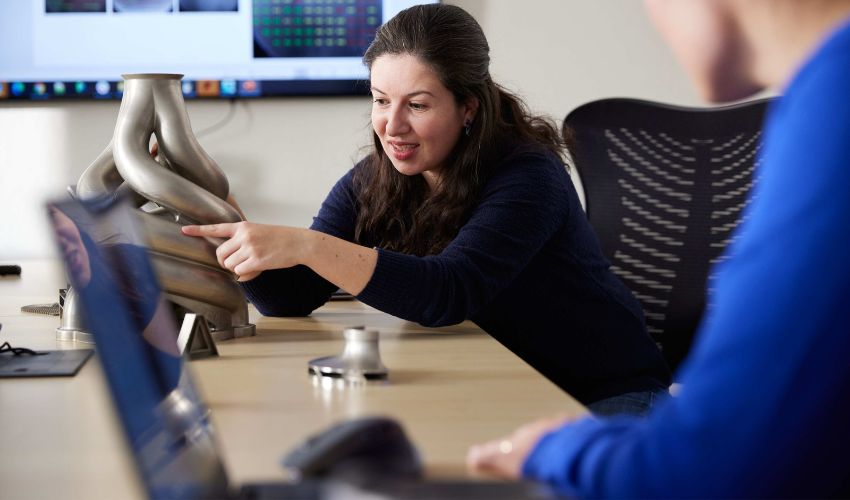
One of the first, and most fervent, adopters of additive manufacturing was undoubtedly the aerospace industry. The sector was drawn to the technologies as a way to help with lightweighting parts (optimizing their weight vis-a-vis their strength). Now, the use of the technologies has only grown, with a report from Strategic Market Research showing that the global aerospace 3D printing market is expected to reach $9.23B by 2023 with a CAGR of 20.23%. And though of course polymer 3D printing plays an important role (especially when it comes to high-performance polymers like PEEK and PEKK), metal additive manufacturing has also been quickly growing in the sector. But how exactly can you use metal 3D printing in the aerospace sector? What are its benefits? How can metal 3D printed parts be certified? To answer these questions and more, we turned to three experts in the field!
Our first expert is Dr. Martin White, the Director for Technical Operations for the Global Advanced Manufacturing Programs Division at ASTM International, an international standards organization. Dr. White oversees all of ASTM’s 3D printing technical programs, focusing on topics that range from Qualification and Certification challenges to material allowable generation, as well as accelerating Standardization and delivering specialist training. The second expert is Brian Hawkes, a technical sales engineer at Velo3D, one of the leading metal 3D printer manufacturers working in aerospace. He has about 10 years working in the aerospace industry, out of a total 20 years as an engineer, where he is focused on designing heat exchangers and complex fabrications. Last but not least, the third expert is Michael York, the Director of Additive Manufacturing at Eaton Aerospace. He is the leader of a program program which has 23 awarded metal AM components spanning commercial aerospace, military, space and aftermarket applications.



How to Use Metal 3D Printing in Aerospace
As mentioned, metal 3D printing is well established in the aerospace sector as aerospace in general was an early adopter of AM thanks to its many benefits. And adoption is only expected to grow in the coming years. Especially as the aerospace industry in general is moving towards looking at ways to increase sustainability in the sector. Dr. White points in particular to the use of more metal 3D printing in coming years as a need arises to design new components. This will come as aerospace moves towards electrification and alternative sources such as hydrogen. Notably, it is likely that there will be a need to make aerostructure design changes throughout the aircraft and here AM could be a key benefit. The technologies are known for their ability to create geometries that are impossible with traditional methods, allowing users to maximize structure design, performance and safety.
More from the desk
Six other notes from the rest of the bench.
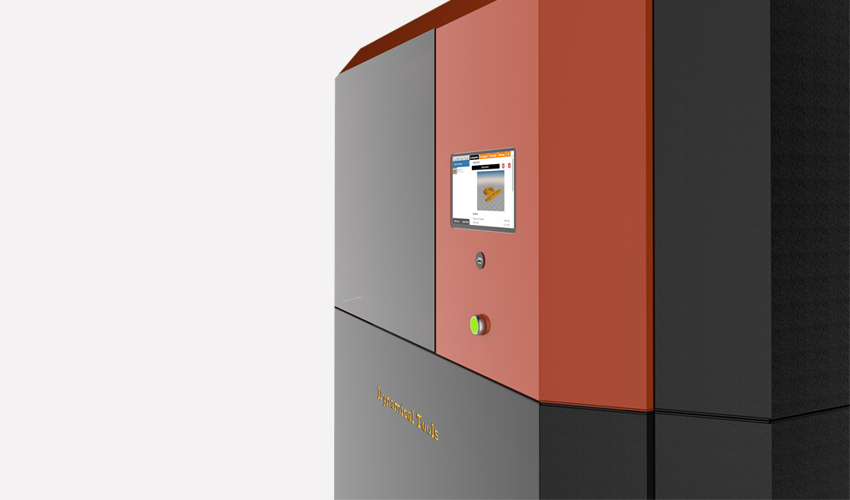 PrintersSLS: The New 3D Printer from Dynamical ToolsDynamical Tools are a Spanish 3D printer manufacturer based in Zaragoza. They are rapidly expanding and have recently moved into a new, larger headquarters. Their CEO, Pablo Murillo, says “We do not want to stop growing and we work hard…
 NewsAprecia and Nanoform Join Forces to Advance 3D Printed NanomedicinesNanoform, a company specialising innovative nanoparticle medicine, and Aprecia, a 3D printing pharmaceutical company, have announced that they intend to collaborate in an endeavor to advance 3D printed nanomedicines. Taking advantage of the synergies between their respective tech
 NewsTop 5 Videos of the Week: 3D printing at the Met Gala…This week we found the top 5 videos about 3D printing and the way additive manufacturing is shaping our society. The technology has infiltrated fashion, as seen by the 3D printed dresses at the Met Gala, not only this, it…
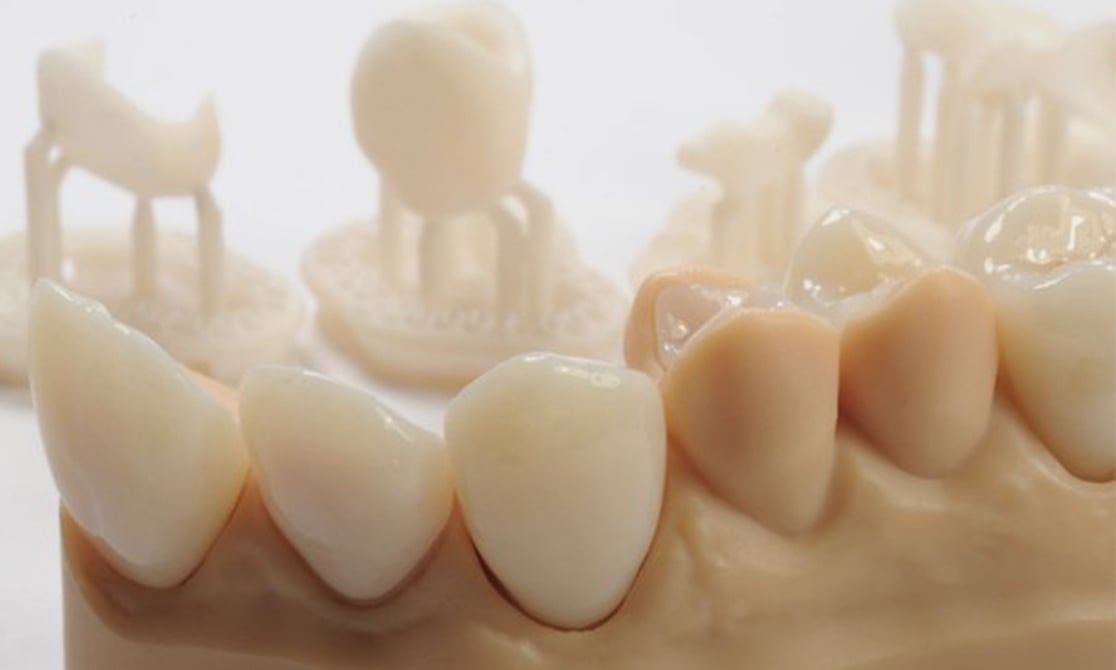 NewsRecent Study Highlights the Technical Advantages of 3D Printing for DentistryMuch has been made of the uses of 3D printing in dentistry, but a recent study has provided quantifiable evidence of its benefits compared to traditional methods. Scientists at the Tohoku University Graduate School of Dentistry in Japan compared the…
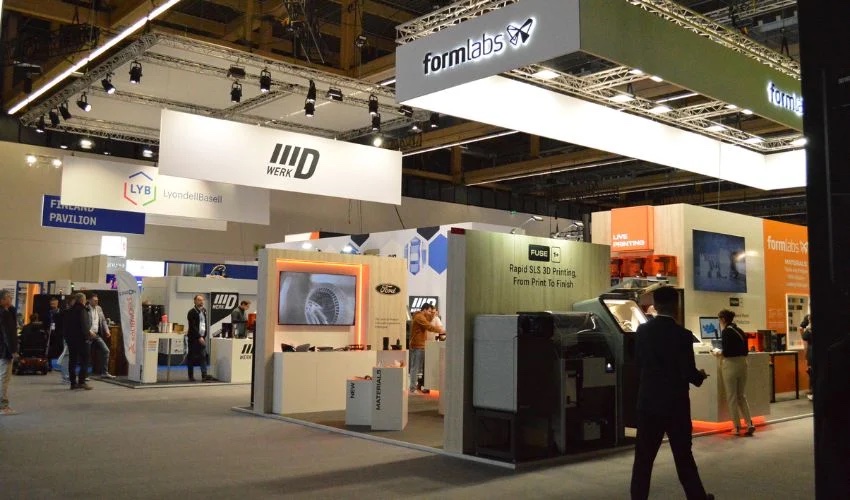 NewsFormnext 2024, Moving Towards a More Stagnant Market?Yet another Formnext closed its doors last Friday at Messe Frankfurt. For four days, the entire additive manufacturing community gathered in the show’s four halls, in search of the latest innovations, trends and applications. Naturally, the 3Dnatives teams were on…
 Guides30 entrepreneurs in 3D printingWe often report on the latest research, innovations, and developments within additive manufacturing. But what about the bright minds, the entrepreneurs in 3D printing that are actually behind it? There are hardly any limits when it comes to the creative…