News
Matt Harkness is Recycling PLA Waste Using Tattoos
The 3D printing filament PLA is often advertised as environmentally friendly since polylactic acid is largely made from renewable raw materials such as corn starch. Thus, products made from PLA are able to be labeled “biodegradable.” This eco-stamp can therefore&helli
- 3 min read
- News
- Six more stories
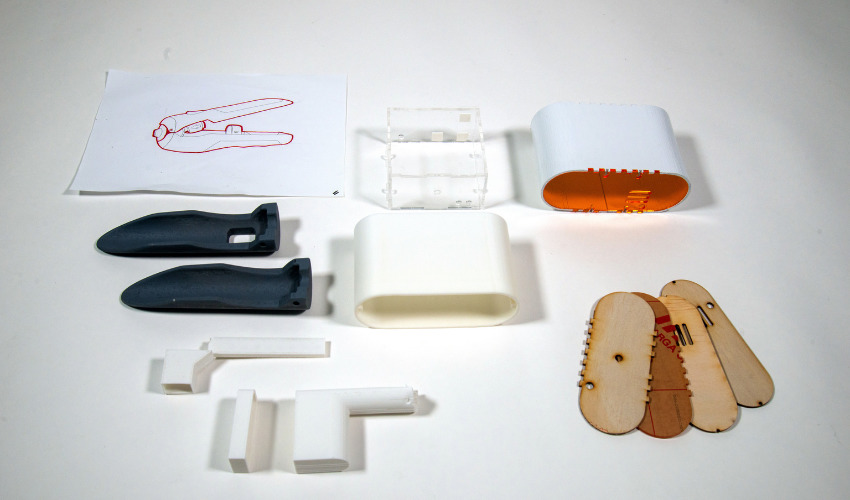
The 3D printing filament PLA is often advertised as environmentally friendly since polylactic acid is largely made from renewable raw materials such as corn starch. Thus, products made from PLA are able to be labeled “biodegradable.” This eco-stamp can therefore be misleading for some consumers, as many believe that this can be equated with “compostable”. However, Australian artist Matt Harkness, among others, knows that this is not quite true. With his projects, he wants to raise awareness of the environmental impact of 3D printing, in his very own way. And one of his options for 3D printer waste will certainly get under your skin. The artist has found his own innovative way to recycle PLA waste, through tattoos on the human body. We explain what’s behind the artist’s somewhat eccentric idea.
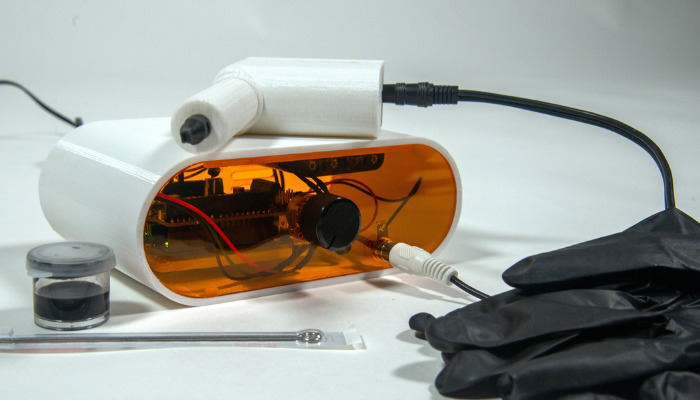
The biorecyling machine by artist Matt Harkness (photo credits: Matt Harkness)
Man as a recycling facility for PLA
Matt Harkness is an Art, Design and Media PhD student at the University of New South Wales. His “biorecycling machine” is a concept that converts 3D printing waste granules into a PLA polymer ink that can be placed under the skin using a special apparatus. Once the PLA then enters the person’s skin layer, the hydrolysis process begins. Polylactic acid microplastic particles are slowly converted into lactic acid, carbon dioxide and water. After thirty weeks, the body has completely “recycled” the PLA particles and excreted the components through urination or respiration.
More from the desk
Six other notes from the rest of the bench.
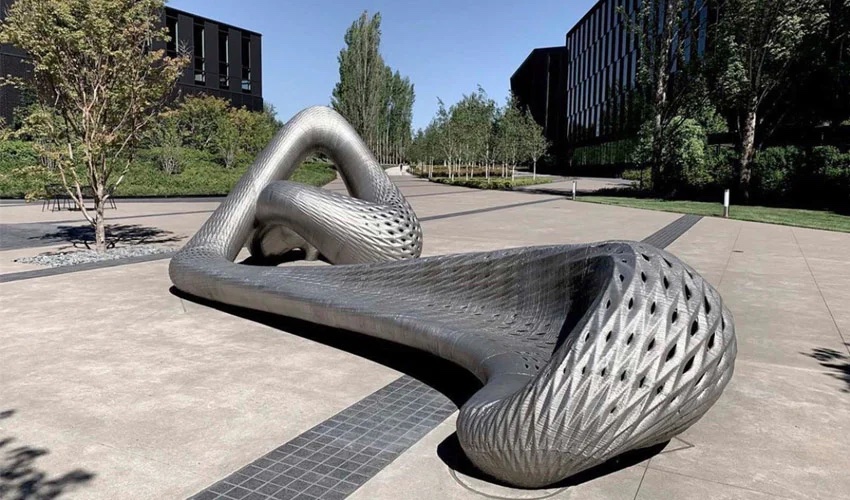 NewsOregon Dragon Bench, MX3D’s Nearly 33-Foot 3D Printed Metal SeatMX3D, a specialist in the WAAM (Wire Arc Additive Manufacturing) process, has unveiled its latest construction project: a 3D printed metal bench, with a rather surprising design, as it is shaped like an open loop. Named Oregon Dragon Bench, this…
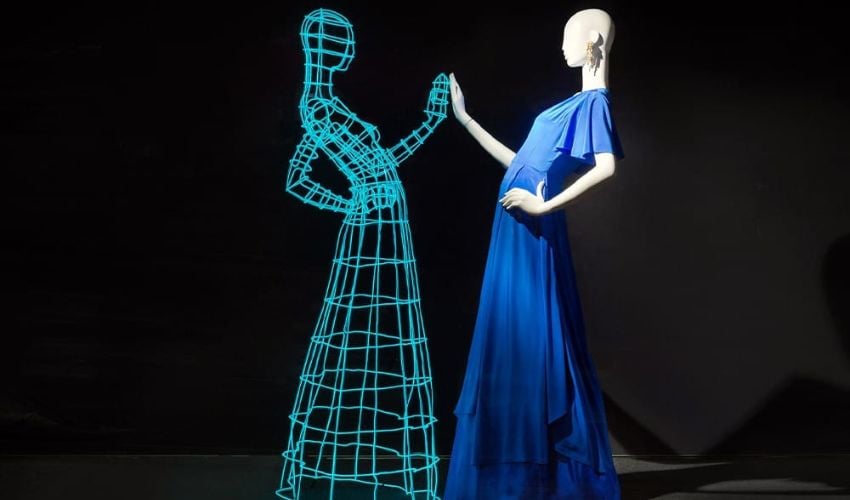 NewsMark Zuckerberg Makes 3D Printed Dresses for His DaughtersJust a few months ago, Meta, the parent company of Facebook, WhatsApp, and Instagram, announced its acquisition of Luxexcel, a Belgian-Dutch company that specializes in producing 3D-printed lenses. The company had already raised several million euros to market its eyeglass&hellip
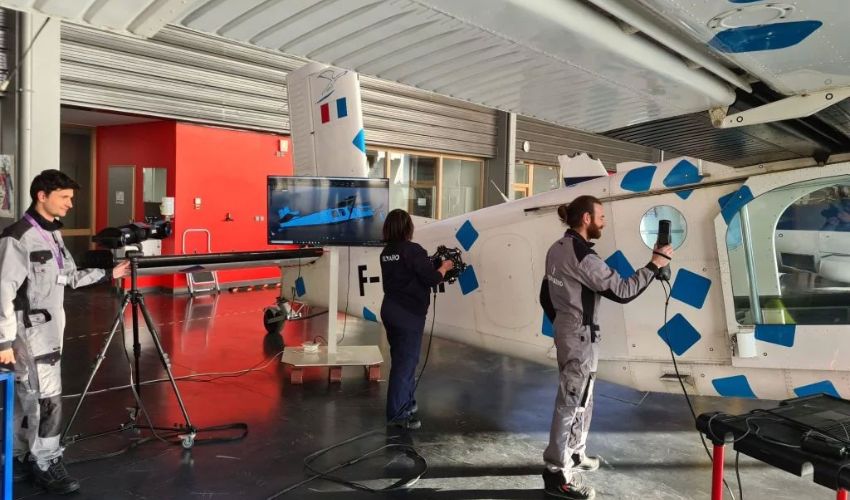 PrintersApplication of the Month: GKN Aerospace Deutschland Enhances Safety and Reliability of Aerospace Components with Creaform Scanning SolutionsAerospace is among the industries with the most stringent safety and quality standards. Aircraft and rocket components are subject to the strictest regulations and must undergo continuous inspections—both before deployment and during operation. However, precision alone is not eno
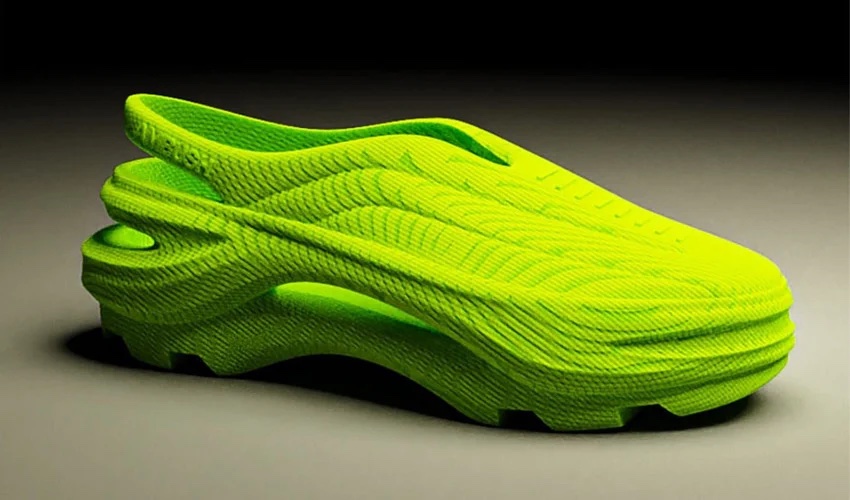 NewsAMBUSH 3D Prints a Shoe That is Wearable in the MetaverseShoe brand AMBUSH is launching a new project that is quite unique in the fashion world: Aapair of 3D printed shoes that can be worn both in the metaverse and in everyday life. The shoes which are called 100S were…
 NewsNano Dimension Announces Intended Acquisition of Desktop MetalThe tumultuous merger discussions have once again come to a head. After hearing from Yoav Stern, Nano Dimension’s Chief Executive Officer, last week at RAPID + TCT 2024, it was clear that the company intended to move towards one goal,…
 NewsIntroducing the Forward AM Innovation Award’s 4 Finalist Start-UpsAt the end of January, Forward AM, the brand of BASF 3D Printing Solutions, launched an international contest for start-ups using 3D printing for innovative concepts A total of 145 applications were submitted from 36 different countries. A few months…