Guides
FabRx creates personalized drugs with additive manufacturing
3D printing technologies provide great benefits for the medical sector, in particular for personalized medicine. We have already seen this with bioprinting tissue, made from patients’ own stem cells. This innovative use of additive manufacturing has enabled several bioprint
- 3 min read
- Guides
- Six more stories
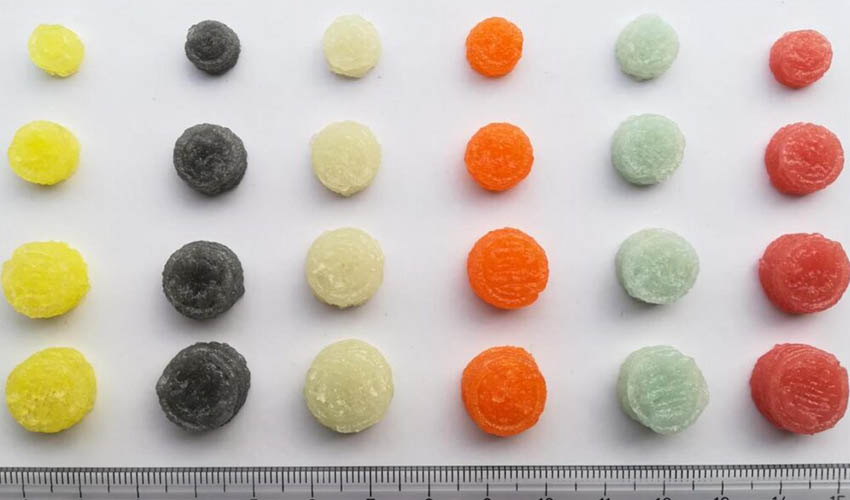
3D printing technologies provide great benefits for the medical sector, in particular for personalized medicine. We have already seen this with bioprinting tissue, made from patients’ own stem cells. This innovative use of additive manufacturing has enabled several bioprinting projects to emerge with promising results. The possibility for the medical sector to provide customized solutions to patients by 3D printing drugs is also being investigated by some actors in the sector. FabRx, based in the UK, is one of those companies. It is dedicated to the development of pharmaceutical solutions that allow specific groups of patients to receive on demand medication. To learn more about this innovative technology, we interviewed one of the FabRx experts.
3DN: Can you present yourself and present FabRx?
My name is Patricija Januskaite and I am the Senior Formulation Scientist within FabRx. Established in 2014, FabRx is a pharmaceutical biotechnology spin out from University College London (UCL), specialising in the 3D printing of oral dosage forms.

Patricija Januskaite
3DN: What 3D printing technologies do you work with?
FabRx’s new pharmaceutical 3D printer, M3DIMAKER™, focuses on multiple extrusion-based techniques for the manufacture of personalised medicines. We provide a choice of different printing nozzles through our sleek hardware system, adaptable to the pharmacist’s specific requirements. In addition to this, the printer is equipped with advanced in-line quality control procedures as well as a fitted camera to monitor the manufacturing process and identify any faults during printing.
More from the desk
Six other notes from the rest of the bench.
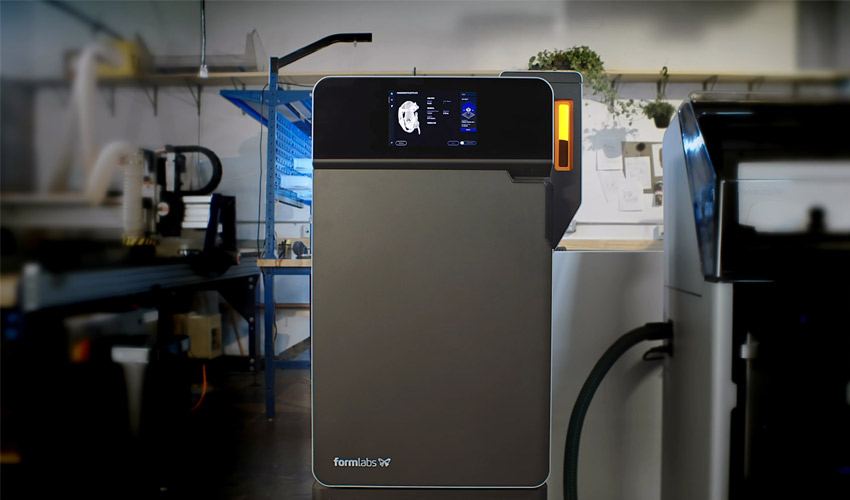 PrintersFormlabs reveals the Fuse 1 at our ADDITIV virtual eventDo you remember Formlabs’ announcement in June 2017? The 3D printing manufacturer, best known for its resin solutions, announced their intention to tackle the selective laser sintering (SLS) market with a desktop machine, the Fuse 1. After developing several prototypes,…
 ApplicationsThe DS 3 Dark Side, a unique design created with the help of AMPSA Group, a French automotive manufacturer, has unveiled a new, special series called the DS 3 Dark Side. This new car was designed in part thanks to additive manufacturing, bringing a look of class and modernity to the automotive industry.…
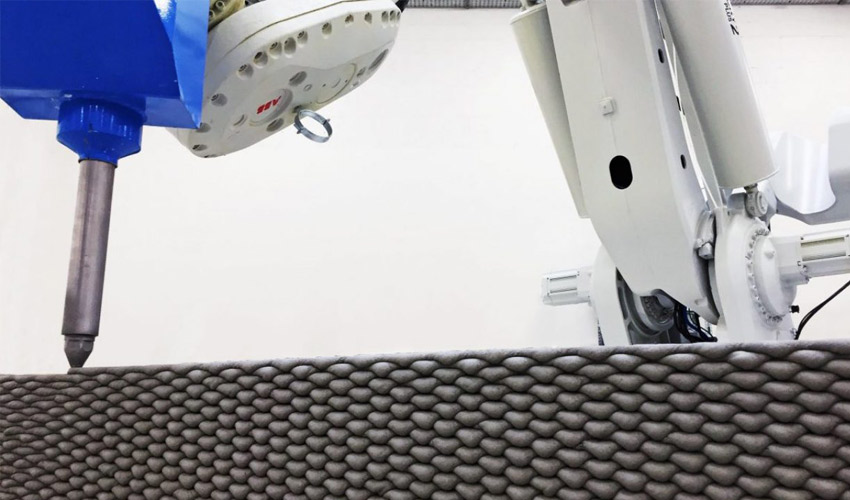 NewsXtreeE launches new 3D printing construction unit in Dubai3D concrete printer manufacturer XtreeE has announced the export of its technology internationally: it has opened an additive manufacturing centre in Dubai, which completes its production site in Rungis. The company based in France took the opportunity to announce a…
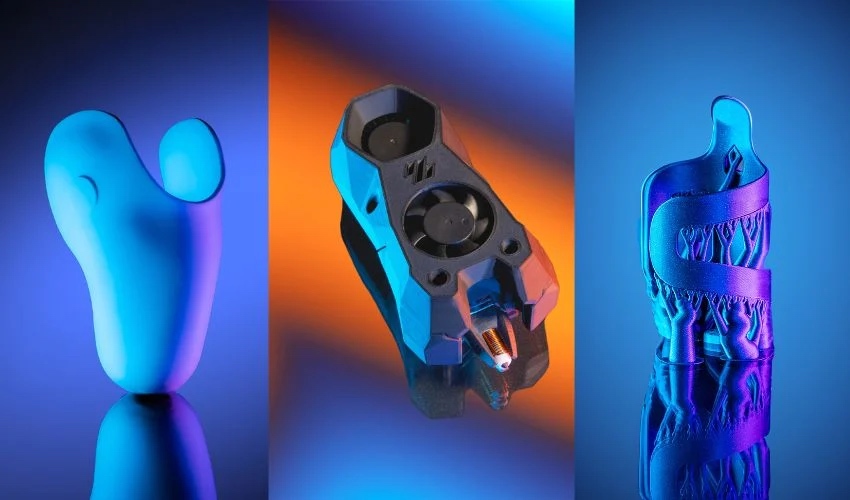 GuidesPlasmics Combines Individual Requirements and High Quality Standards With Innovative FDM PrintingPlasmics, Austrian company based in Vienna, was founded in 2018. What is interesting about the company is that it seeks to develop pioneering 3D printing solutions that do not require years of specialist knowledge. This has lead to Plasmics estbalishing…
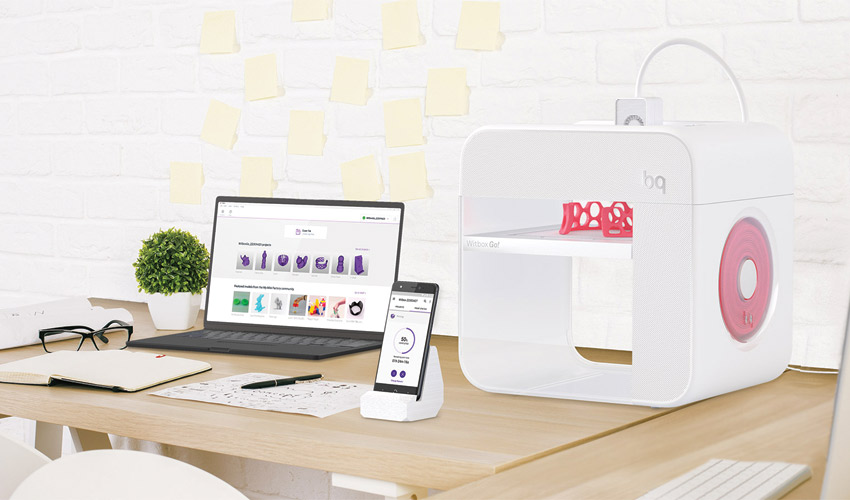 Printers3Dnatives Lab: Testing the BQ Witbox Go! 3D printerThe Spanish manufacturer BQ, which is responsible for a wide range of 3D printers and is one of the leading European manufacturers, with the Plug & Play models Witbox 1 and Witbox 2, recognisable by their volume of printing, as well as the machines…
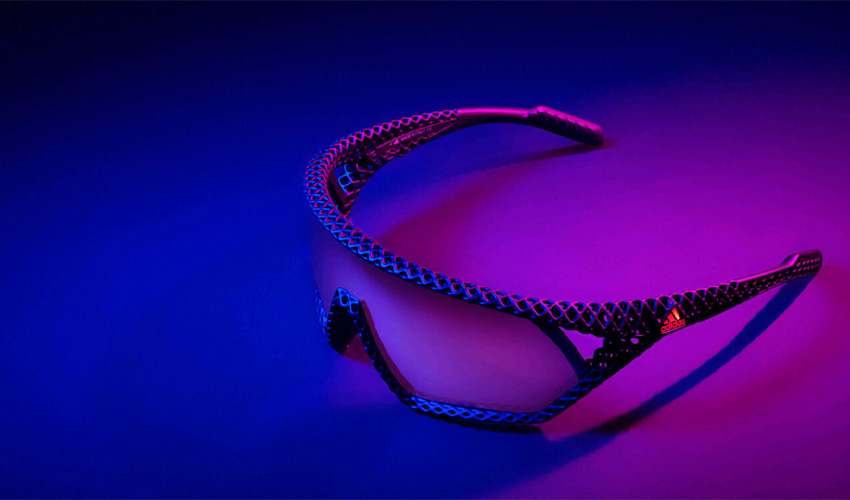 NewsAdidas Limited-Edition 3D Printed SunglassesIf you follow 3D printing news closely, you are probably well aware that Adidas, like many other big sports brands, uses additive manufacturing to produce various sporting gear and accessories. For instance, the 4D Fusio sneakers, the FUTURECRAFT.STRUNG and the ALPHAEDGE…