Applications
Cornell Revolutionizes Realistic Ear Grafts With 3D Printed Ear
3D printing has rapidly conquered the medical field, opening up a host of new possibilities. The technology enables the creation of complex structures with unrivaled precision, paving the way for new approaches in surgery, prosthetics, and tissue engineering. In this…
- 3 min read
- Applications
- Six more stories
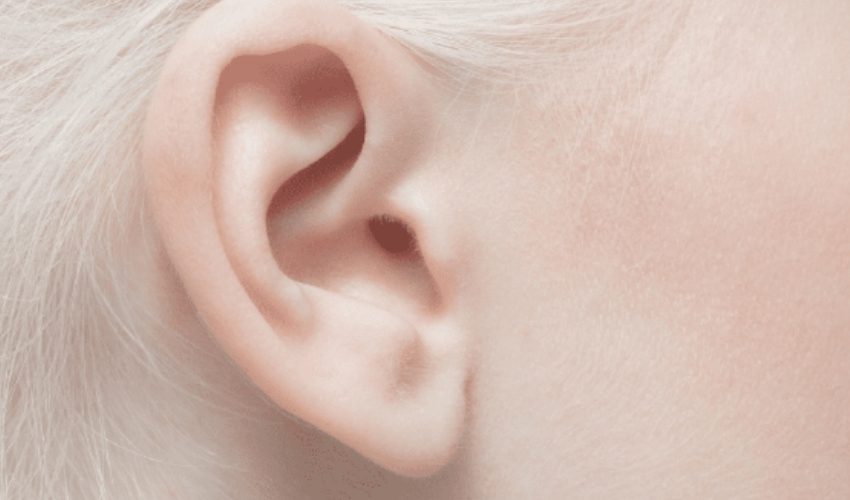
3D printing has rapidly conquered the medical field, opening up a host of new possibilities. The technology enables the creation of complex structures with unrivaled precision, paving the way for new approaches in surgery, prosthetics, and tissue engineering. In this vein, researchers at Weill Cornell Medicine and Cornell Engineering have fabricated a realistic replica of an adult human ear using advanced tissue engineering and a 3D printer. This study indicates the potential for crafting grafts with precise shapes and suitable biomechanical properties, offering promising prospects, particularly for individuals with congenital ear deformities.
Nowadays, many surgeons resort to a procedure where they remove cartilage from a child’s ribs to build a replacement ear. However, this operation is very often painful and leaves scars. Although the resulting graft can be shaped to resemble the original ear, it generally lacks the same flexibility. So how have researchers managed to realistically reproduce a human ear using 3D printing?
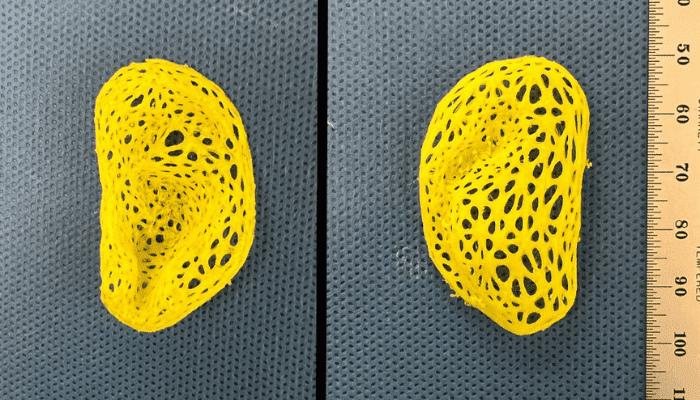
The 3D printed ear graph. (Photo Credits: Weill Cornell Medicine)
How 3D Printing Revolutionizes Ear Reconstruction
One method of creating a more realistic replacement ear involves the use of chondrocytes, the cells that make cartilage. Dr. Jason Spector (Chief of the Division of Plastic and Reconstructive Surgery at NewYork-Presbyterian/Weill Cornell Medical Center and Professor of Plastic Surgery at Weill Cornell Medicine) and his colleagues have previously used animal-derived chondrocytes to grow a structure composed of collagen, an essential component of cartilage. Although these grafts grew well, over time the distinct shape of the ear was lost. Dr. Spector explains: “Ear reconstruction requires multiple surgeries and an incredible amount of artistry and finesse. This new technology may eventually provide an option that feels real for thousands needing surgery to correct outer ear deformities.”
More from the desk
Six other notes from the rest of the bench.
 MaterialsAll You Need to Know About PESU in 3D PrintingBelonging to the sulfone family, polyethersulfone, or PESU, is a high performance material which has a unique thermal profile in the world of thermoplastics. Very heat resistant, it is an amorphous polymer which, while displaying interesting properties for many industries,&hellip
 NewsTop 5 Videos: SEAT invests in a 3D printing centerThis week we found the top 5 videos about 3D printing and the way additive manufacturing is changing production. The technology has infiltrated many sectors, from medical to automotive – check our selection of the week to keep up with the innovations! If you enjoy these, you&hell
 NewsThe World’s First 3D Printed Fiberglass PoolAmerican pool company San Juan Pools recently unveiled what it claims to be the first-ever 3D printed fiberglass pool. In a late segment of the TV morning show Fox and Friends, the pool was presented for the first time on…
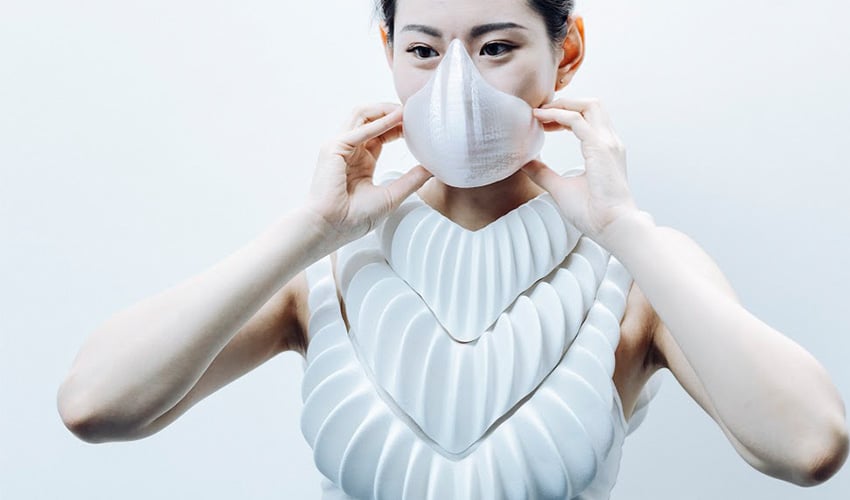 NewsAmphibio; the 3D printed gills that will allow us to breathe under waterJun Kamei is a Japanese designer specialising in biomimic design and materials. A few months ago he presented Amphibio, his final project for the Art Royal College in London, with three 3D printed “gills” for our future underwater. Will this make is possible…
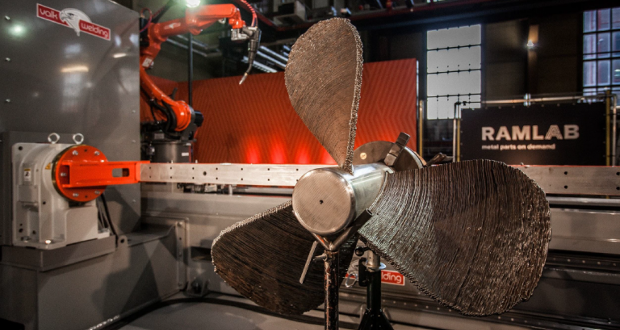 ApplicationsRAMLAB designs the first boat propeller using additive manufacturingIn our latest addition of our TOP 5 videos of the week, we showed you a promising initiative for the marine industry coming straight to us from the Netherlands. Fiedlab (RAMLAB), an additive manufacturing company that is based in Rotterdam…
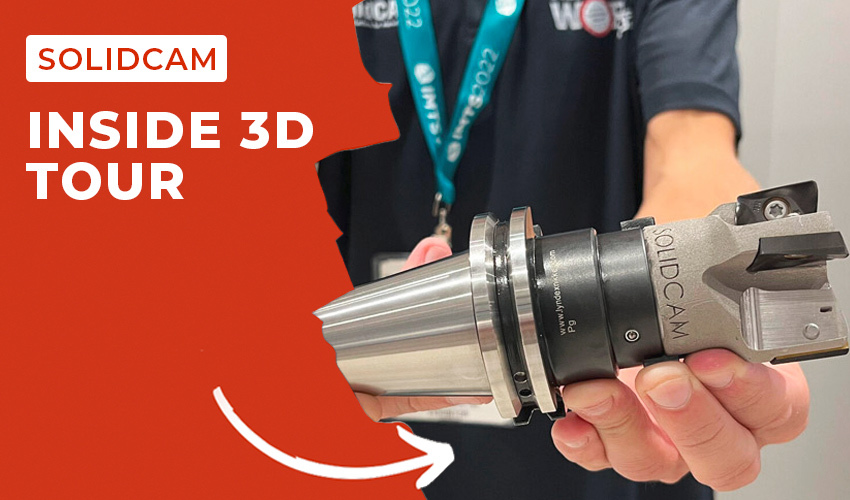 NewsInside 3D Tour: Visiting SolidCAM’s Headquarters and 3D Printing FacilitiesToday, we are excited to present another installment of our Inside 3D Tour video series, where we explore the leading manufacturers in the 3D printing industry to gain firsthand insights into the development of various 3D printing methods. The goal…