Materials
BMW Advances Recycling with 3D Printing at Additive Manufacturing Campus
The BMW Group has taken another major step toward a circular economy. At its Additive Manufacturing Campus in Oberschleißheim, southern Germany, the company has begun to recycle waste powder and end-of-life components into new 3D printing materials. The process supports…
- 3 min read
- Materials
- Six more stories
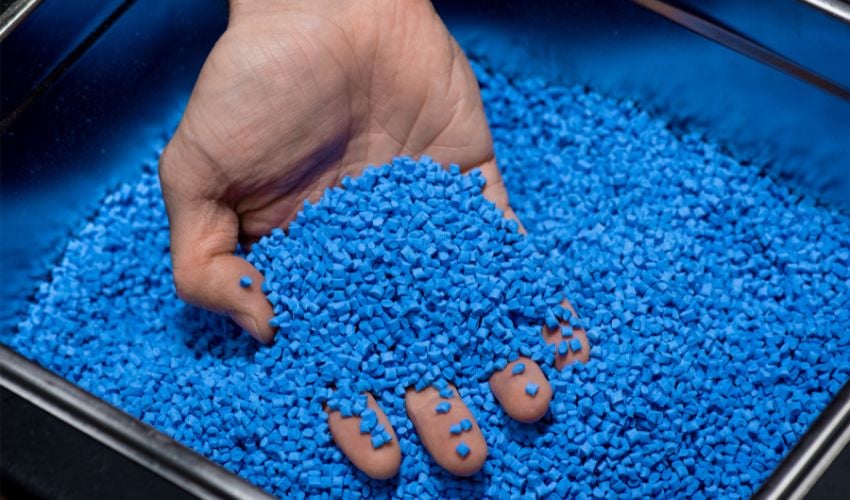
The BMW Group has taken another major step toward a circular economy. At its Additive Manufacturing Campus in Oberschleißheim, southern Germany, the company has begun to recycle waste powder and end-of-life components into new 3D printing materials. The process supports the sustainable use of plastics and enables innovative recycling on a large industrial scale. Previously, used powder was often discarded, but now this material has been processed into a new filament. The filament is wound onto spools and then installed in FDM 3D printers. Additionally, the campus also produces recycled granulate for FGF (Fused Granulate Fabrication) technology, which has enabled the manufacture of large-volume components for BMW.
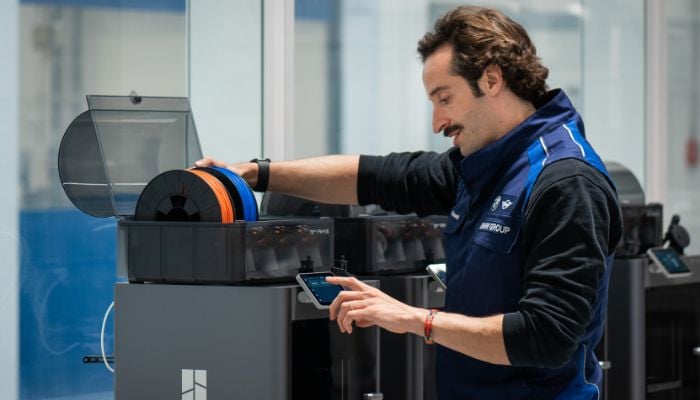
The recycled materials can be re-used directly in FDM printers.
From Start-Up to Serial Production
Under the leadership of Paul Victor Osswald, project manager since 2018, the recycling project has developed from a pilot phase to a full industrial scale. Starting with the “bottleUP” project, which recycles PET bottles, prototypes were successfully produced using the company’s recycled materials back in 2021. Today, up to 12 tons of waste powder is recycled annually, which reduces costs, increases quality, and improves ergonomics in the plant. As Osswald emphasizes: “It’s an exciting task to be able to constantly develop and try out new processes. The use of waste powder and disused 3D-printed components is an important building block for a functioning and efficient circular economy.“
The Additive Manufacturing Campus in Oberschleißheim serves as a center for know-how and technology transfer. It not only supplies recycled material, but also provides sophisticated printing parameters, training, and comprehensive support for production sites around the world. The campus is in close cooperation with other manufacturing plants where suitable 3D printers are validated and printing profiles are developed. This provides the manufacturers a complete package for the fast and safe introduction of recycled materials on site.
More from the desk
Six other notes from the rest of the bench.
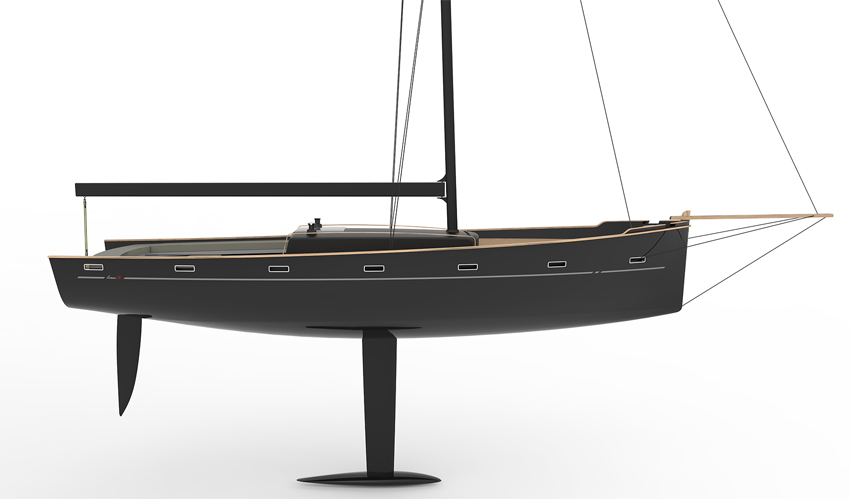 GuidesLivrea: crossing the Atlantic in a 3D-printed yachtLivrea is a new company that is doing some almost unbelievable things. They have constructed a yacht using 3D printing, and to show off just how good it is, they’re going to sail the Atlantic in it. After hearing this,…
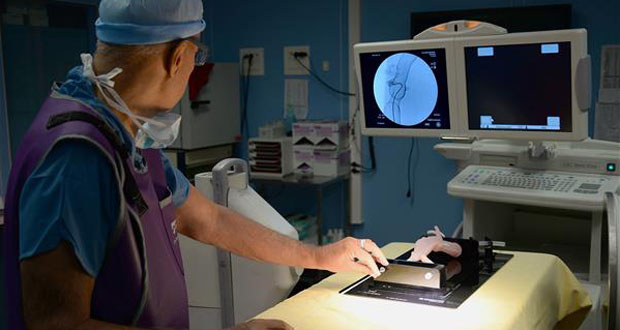 Guides3D startup of the month: BIOMODEX, the printers of 3D organs and simulation modelsLast month, we presented OWA 3D, the startup that is helping to lead 3D printing towards a circular economy. Today, we have chosen a startup that offers you a look into a completely different field, the medical field. After realizing…
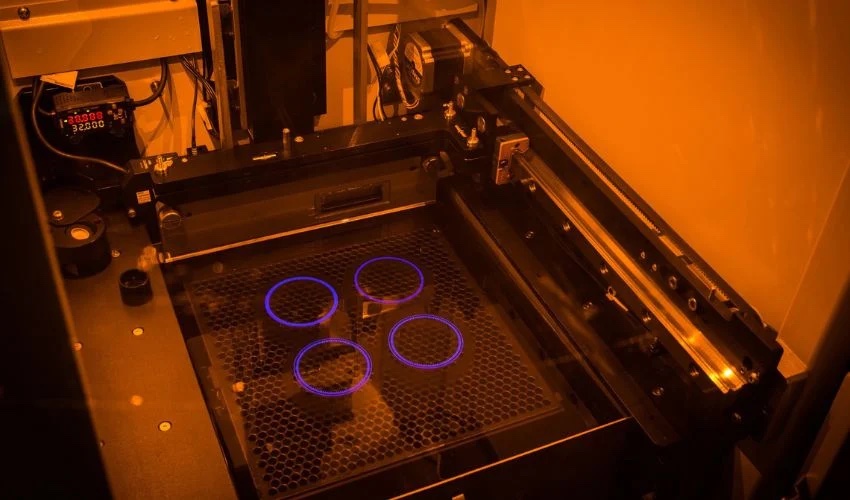 NewsHubs Report 2023: What Do We Know About the State of AM Over the Past Year?We all know that 3D printing just keeps growing. Now we have seen it once again in the Hubs Report 2023, which took a close look at the additive manufacturing market over the past year. The report includes exciting metrics…
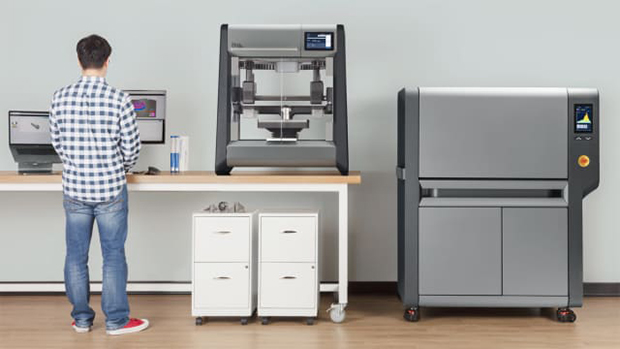 PrintersDesktop Metal announces new products to make 3D metal printing even more accessibleHold on to your breeches there folks because Desktop Metal, the Massachusetts based startup, has just announced their launch of two new game changing products: The DM Studio and DM production systems. After raising $97 million from an array of innovators,…
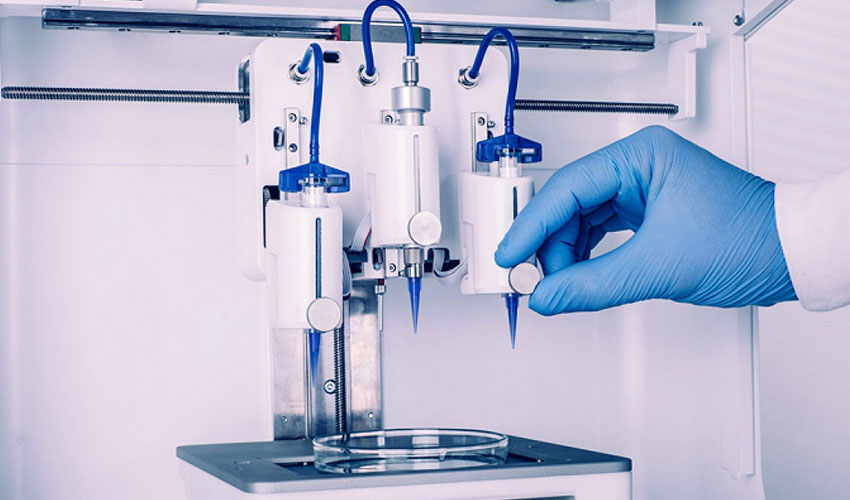 PrintersCELLINK, providing researchers with affordable bioprinting technologyRecently, CELLINK, based in Boston, launched the BIO X6 bioprinting platform. This six-printhead bioprinting platform enables users to combine more materials, cells and tools than other systems currently available on the market. In fact, the company specialises in designing and&h
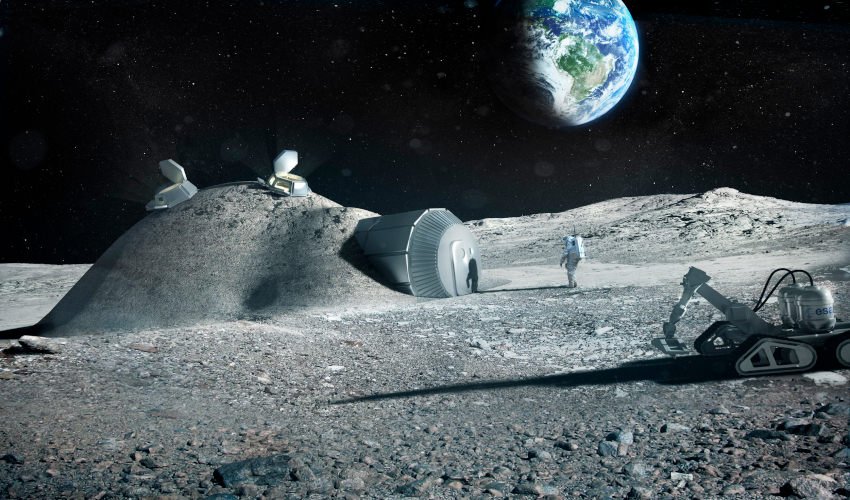 ApplicationsChina reveals plans to build 3D printed base on moonColonising space with additive manufacturing? China reveals its plans to be the first country to establish a 3D printed base on the moon. China plans to 3D print on the moon It’s the China National Space Administration (CNSA) which announced…