Materials
BCN3D and Henkel Focus On Creating Formulations for New VLM Technology
A while ago, in 2020, Spanish company BCN3D and the German Henkel group joined forces for a long-term partnership. Recently, it has been announced that the collaboration will now focus on developing formulations for the recently launched Viscous Lithography Manufacturing…
- 3 min read
- Materials
- Six more stories
A while ago, in 2020, Spanish company BCN3D and the German Henkel group joined forces for a long-term partnership. Recently, it has been announced that the collaboration will now focus on developing formulations for the recently launched Viscous Lithography Manufacturing (VLM) 3D printing technology. Henkel, which is particularly known for providing end-to-end engineering solutions within additive manufacturing, is playing a major role when it comes to the new materials for VLM and is helping BCN3D achieve its goal of accelerated manufacturing autonomy.
The long-term goal of both sides in this partnership of manufacturers is supposed to be to ensure full control over every stage of the production process within additive manufacturing. To make that a reality, the special properties of VLM will be used to generate new and innovative solutions for high-performance resins.
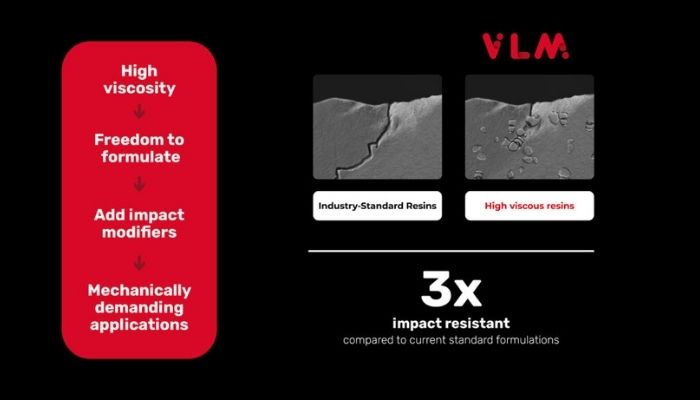
VLM has many new benefits in additive manufacturing (photo: BCN3D/Henkel)
What Kind of Technology is VLM?
Viscous Lithography Manufacturing is a lithography-based 3D printing process, in which thin layers of highly viscous resins are laminated onto a transparent transfer film. This allows high-performance components to be produced in a fast and cost-effective process. The main difference to existing resin technologies in additive manufacturing is that VLM is capable of using resins that are 50 times more viscous than the industrial standard resins are today. This can also be traced back to the latest modifications of constraints. New ingredients can now be added to the resin to achieve the desired changes in thermal and mechanical properties.
More from the desk
Six other notes from the rest of the bench.
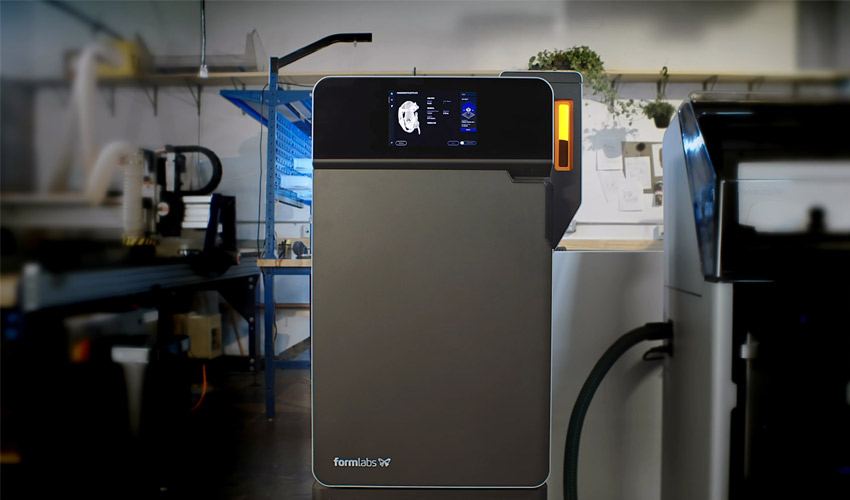 PrintersFormlabs reveals the Fuse 1 at our ADDITIV virtual eventDo you remember Formlabs’ announcement in June 2017? The 3D printing manufacturer, best known for its resin solutions, announced their intention to tackle the selective laser sintering (SLS) market with a desktop machine, the Fuse 1. After developing several prototypes,…
 NewsTurkish Aerospace Industries to Receive World’s Largest Electron Beam DED 3D PrinterAmerican company Sciaky, Inc. has announced that it will be delivering the world’s largest electron beam directed energy deposition (DED) 3D printer to Turkish Aerospace Industries (TAI). The customized 300 Series Electron Beam Additive Manufacturing (EBAM) system will be u
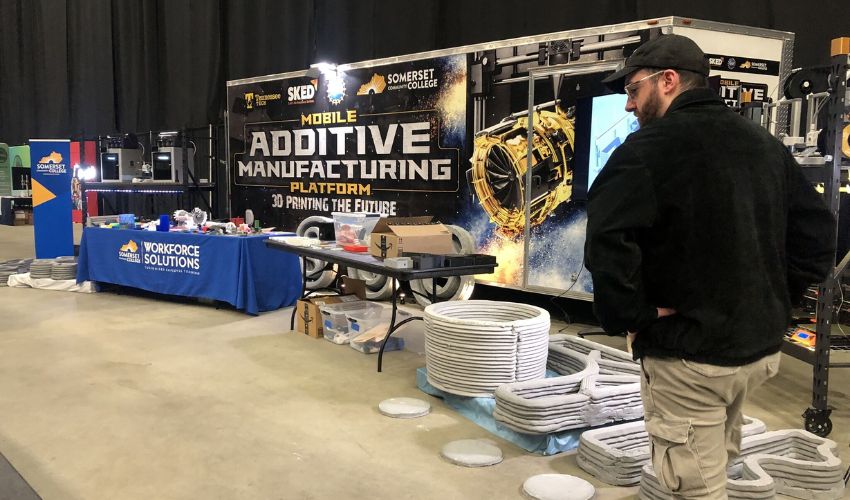 NewsHow Can Construction 3D Printing Help Rebuild Kentucky After Devestating Floods?In October of 2023, the US Climate Vulnerability Index was released. In that report, Kentucky was listed as one of the most at-risk states in the nation for environmental disasters. Eastern Kentucky is particularly vulnerable due to its geography, and…
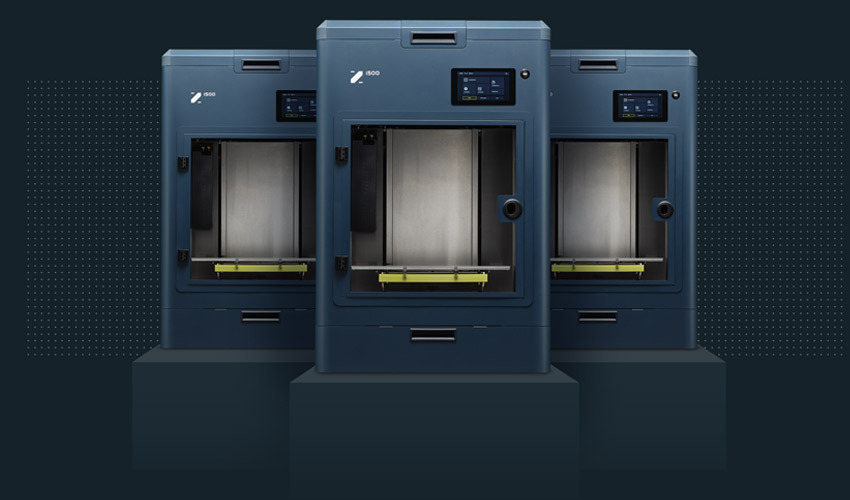 PrintersZmorph i500, a Safer Industrial-Grade MachineWe announced it to you two weeks ago: Zmorph has officially launched its new professional 3D printer, the Zmorph i500. With a printing volume of 500 x 460 x 300 mm, the machine should be able to meet the needs…
 ApplicationsResearchers 3D Print Headlight Lenses, Overcoming Manufacturing ChallengesOne of the best ways to understand 3D printing’s value is by explicitly comparing its effectiveness versus CNC machining and reverse engineering. Such is the case in a study conducted by Taiwan’s Tunghai University, where researchers discovered that, for headlight&hel
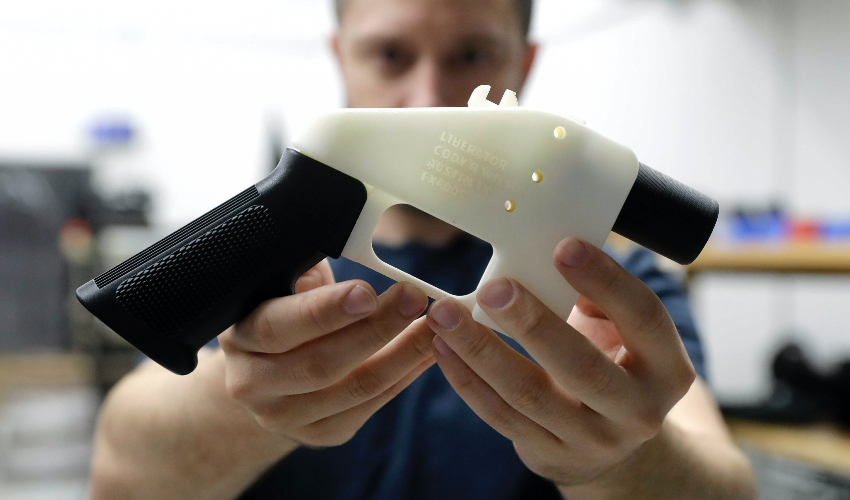 NewsThe 3D Printed Gun: An Increasing Threat?In March 2024, the United States National Library of Medicine (NLM) published “The Emergence of 3D-printed Firearms: An Analysis of Media and Law Enforcement Reports.” The report gathered data on 186 cases involving 3D printed firearms and parts, 92% of…