Applications
Basque Scientists Pioneer 3D Printed Blood Vessels for Tissue Engineering
Did you know that in Spain, around 1,144,214 animals are used every year for scientific experimentation? This practice has always been and will always remain controversial. Although animal models are used in medicine to test treatments for diseases, they don’t…
- 3 min read
- Applications
- Six more stories
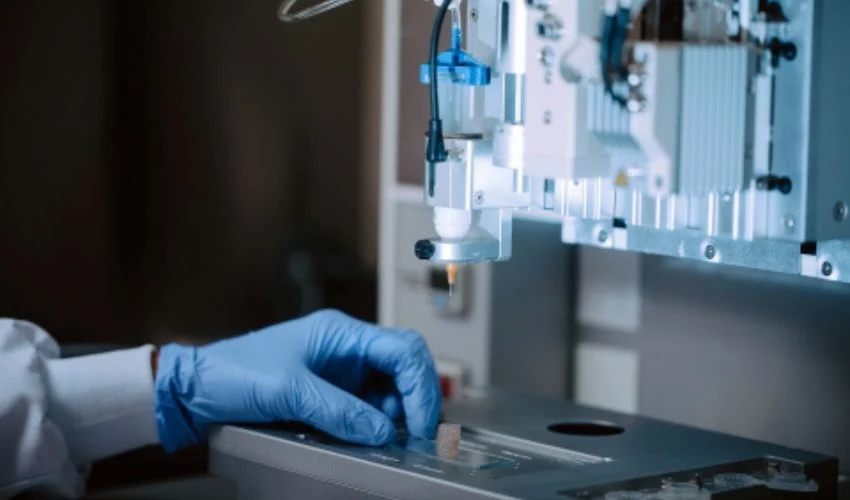
Did you know that in Spain, around 1,144,214 animals are used every year for scientific experimentation? This practice has always been and will always remain controversial. Although animal models are used in medicine to test treatments for diseases, they don’t always replicate human anatomy, for obvious reasons. 3D printing is a technology with the potential to reduce animal experimentation in science in different ways. We’ve already seen this in specific cases in cosmetics and pharmaceuticals. And recently, a study from the research center CIC biomaGUNE in the Basque Country explored the creation of tissue models with artificial blood vessels using 3D bioprinting with nanomaterials.
The researchers behind this breakthrough are Dr. Dorleta Jimenez de Aberasturi, Dr. Uxue Aizarna, and Dr. Malou Henriksen. As part of the Biofunctional Hybrid Materials group at the Basque center, they have tested different techniques to design and create realistic tissue models for scientific research. In particular, they have focused on tissues with artificial blood vessels that mimic the complexity of human arteries and are capable of pulsing in response to external stimuli. How did they do it? What techniques did they use? Keep reading to find out.
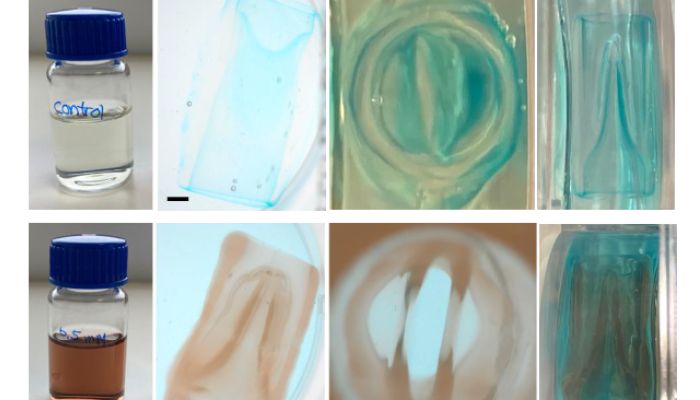
Valves manufactured through volumetric 3D printing. (Credit: American Chemical Society)
One of the secrets behind the breakthrough lies in the “ink” used. The researchers employed methacrylated gelatin as a base, which is cell-compatible, and added gold nanoparticles to it. This combination allowed them to print the structure and control its behavior once printed.
More from the desk
Six other notes from the rest of the bench.
 NewsVoices AMplified RAPID TCT 2023: Who Was Exhibiting?Now that the show has wrapped up, you can check out our new series, Voices AMplified, made in collaboration with SME, the main organizer of RAPID + TCT 2023, the largest additive manufacturing trade show in North America. Through these…
 Applications3D Printing Is Being Used to Make a Safer Mosquito RepellentMosquitoes are transmitters of many serious diseases including malaria and dengue fever and as such are responsible for about one million deaths per year according to the WHO (World Health Organization). Not to mention how annoying the bites caused by…
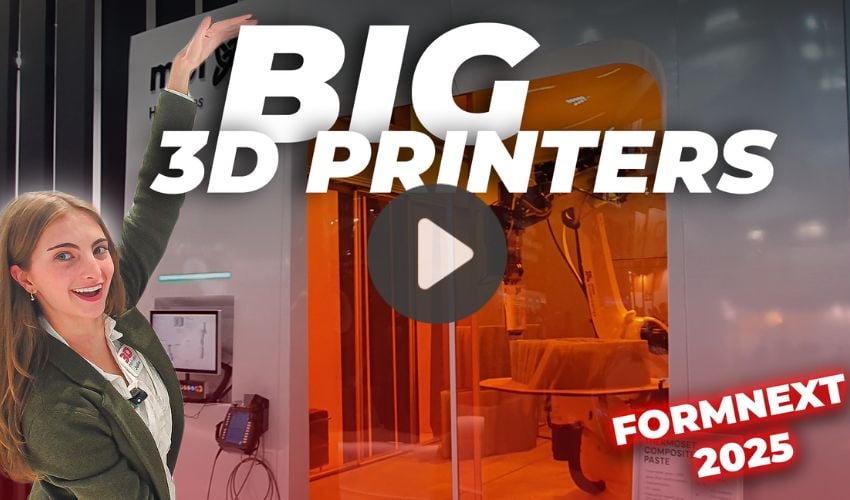 NewsThe Biggest 3D Printers at Formnext 2025The halls of Formnext are filled with exciting machines and eye-catching 3D-printed objects. Yet among the many innovations on display, it’s the giant 3D printers that inevitably command attention. These large-format additive manufacturing systems offer massive build volumes, sup
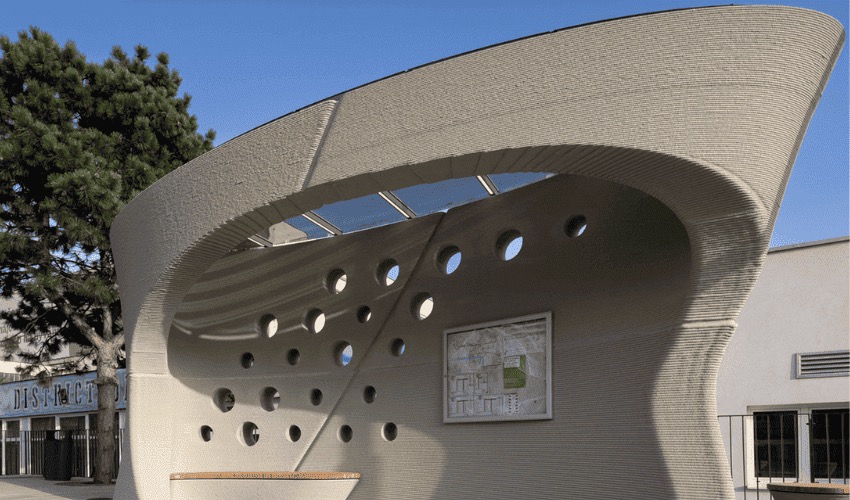 ApplicationsNew 3D Printed Bus Shelter Transforms Public SpaceAfter seeing the birth of a Starbucks café and a train station made using additive manufacturing, the technologies have been used for yet another new architectural breakthrough. This time, a more modest, but innovative structure, has been brought to the…
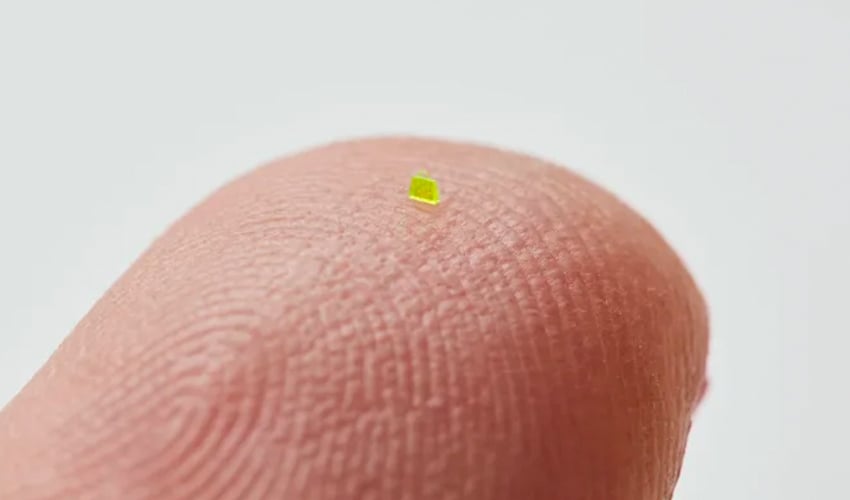 NewsThis Microscopic 3D Printed Handbag Sold for Over $63,000Can you imagine having a Louis Vuitton bag that is smaller than a grain of salt? Believe it or not, this is a real piece that is part of the latest project by the art collective MSCHF. Measuring only 657…
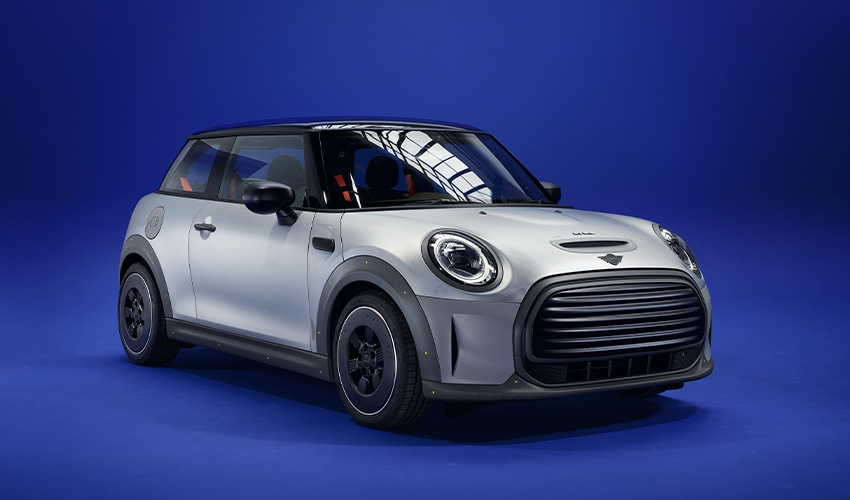 ApplicationsMINI Partners With Designer Paul Smith to Create the More Sustainable MINI StripFor some time now, the British car manufacturer MINI has been trying to become more eco-responsible. And in order to put its money where its mouth is, MINI has teamed up with British fashion designer Paul Smith to develop a…