Materials
3D Printing Steel: Everything You Need to Know!
Steel is a well-known metal in the industrial production and 3D printing sectors. It is an alloy based on iron (Fe) and other elements, mainly carbon (C), but also materials such as zinc (Zn) or silicon (Si). These alloys modify…
- 3 min read
- Materials
- Six more stories
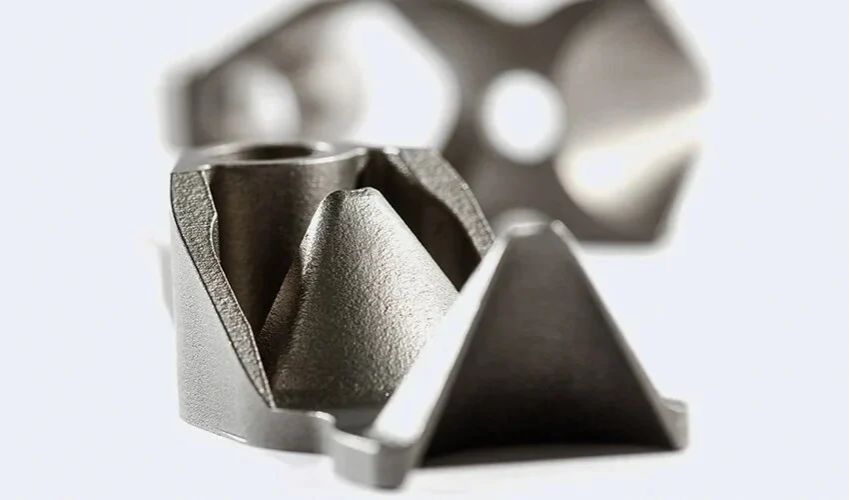
Steel is a well-known metal in the industrial production and 3D printing sectors. It is an alloy based on iron (Fe) and other elements, mainly carbon (C), but also materials such as zinc (Zn) or silicon (Si). These alloys modify the properties of iron according to the combination obtained, generating a more resistant or less oxidizable material. The metal is widely used as a resource in construction and as a raw material for various tools and mechanical parts. To better understand the properties of this metal, its applications and its compatibility with 3D printing, read this comprehensive guide.
Characteristics of the Material
Steel, like other types of powdered metal, can be obtained in different ways. The most common process is atomization, where the metal or alloy is melted and then dispersed in a fine spray. High-pressure jets of gas or water divide the molten metal into small droplets, which solidify into powder particles as they cool. Using inert gases (such as nitrogen or argon) minimizes powder oxidation during the process. Metal powders can then be mixed with alloying elements or other powders to obtain the desired chemical composition. The most common types of steel used in 3D printing are :
- 316L: It is the most widely used stainless steel in 3D printing. Composed of iron, chromium, nickel and molybdenum, this low-carbon metal offers high corrosion and pitting resistance, ductility and good thermal properties.
- Martensitic: This type of steel is highly alloyed with chromium and other elements. Its metallographic structure consists of martensite, and that’s where it gets its name. Martensitic steel can offer high-strength performance similar to aluminum for the same weight but is considerably more economical.
- 17-4PH: This material, which is also stainless, is characterized by high yield strength and good resistance to corrosion and wear. 17-4 PH is one of the leading hardenable steels and is compatible with additive manufacturing.
- 304: This is an austenitic stainless steel containing austenite-forming elements. It generally contains a minimum of 18% chromium and 8% nickel, combined with a maximum of 0.08% carbon. It offers good weldability, corrosion and oxidation resistance, and excellent toughness.
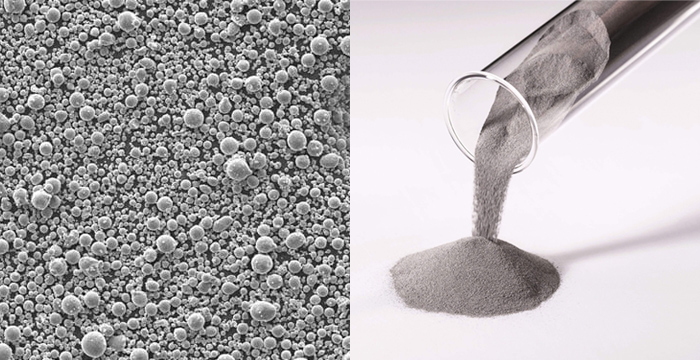
Within the large family of steels, a number of them are compatible with additive manufacturing
Processes for 3D Printing Steel
Steel is compatible with all metal 3D printing technologies. The most common is laser powder bed fusion (PBF), where a laser or electron beam melts metal powder into a solid layer. Powder binding, also known as binder jetting (BJ), is another 3D printing technique compatible with steel. In this case, metal powder is spread over the printing plate, then bonded with a binder deposited where the metal is to be fused. Finally, it is also possible to create steel parts using DED (Direct Energy Deposition) technology. In this case, the material can take the form of a powder or filament, which is deposited as it fuses, using a laser or electron beam as the energy source.
More from the desk
Six other notes from the rest of the bench.
 NewsHP Presents New Solutions For Process Optimization, Cost Efficiency and Sustainability at Formnext 2024HP is known for innovative systems and solutions that support users at every stage of their 3D printing journey. This is thanks to a commitment to cost reduction, automation, efficiency, quality and sustainability, values that are also reflected in the…
 NewsWork on the First 3D Printed Post Office Is Underway in IndiaHouses, pavilions, bridges…post offices? Indian social media has been ablaze this past week with news of an interesting new project in the country. In Bengaluru, Larsen & Toubro (L&T) Construction is making the world’s first 3D printed post office. This&hellip
 Guides12 Initiatives That Combine 3D Printing & Sustainability3D printing can be considered a greener manufacturing method because it allows for just the material needed to be consumed. By contrast to subtractive production techniques that by definition waste resources when producing. Some projects in the sector highlight this…
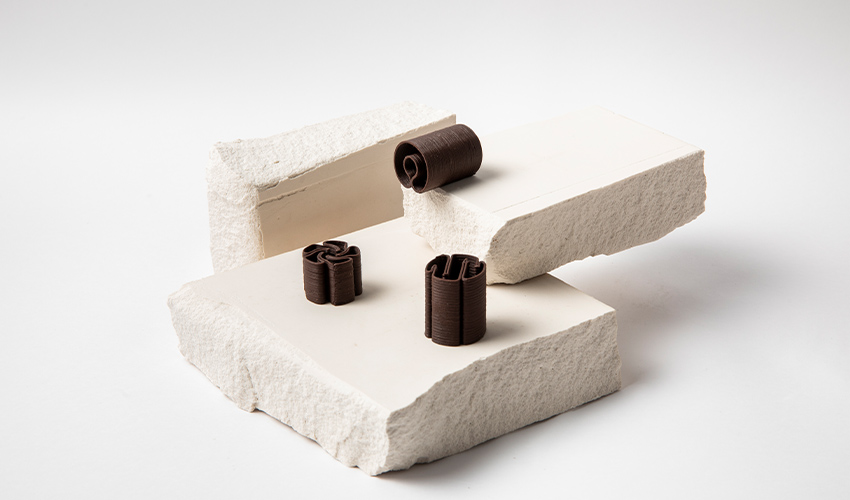 GuidesMore Than Shape 3D Prints Chocolate to Offer New Taste ExperiencesLately, more and more projects combining 3D printing and food are emerging. Earlier this year, we told you about the startup Revo Foods, which 3D prints salmon fillets from pea proteins, citrus fibers, vegetable oils and seaweed extracts, of course…
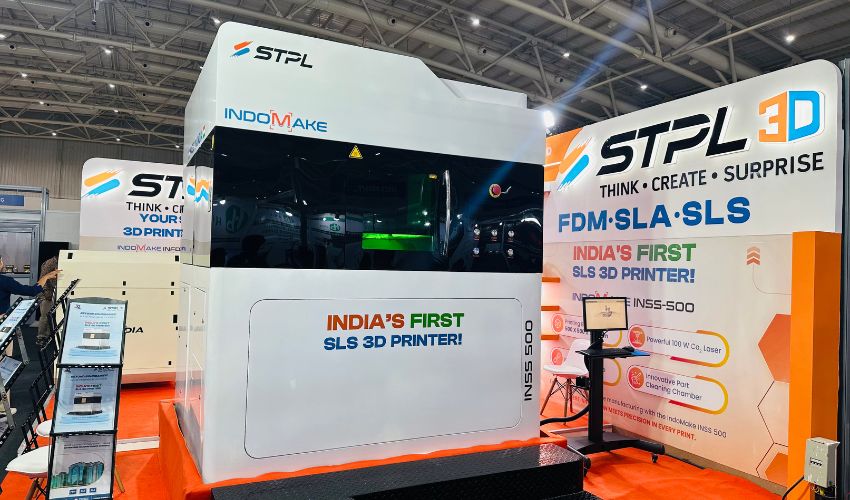 PrintersThe First Made-in-India SLS 3D Printer Makes its DebutThough we hear most often about the major additive manufacturing markets, namely the United States, Europe and China, that does not mean the technologies are not expanding elsewhere in the globe. One that seems primed in particular for expansion is…
 NewsTop 5 Videos: How 3D Printing is Helping the Ukrainian ArmyIt’s Sunday again and you know what that means! Our team has picked out the top 5 3D printing videos of the week, giving you a short look at whats new and interesting in the world of 3D printing. Today’s…