Guides
AESUB: Upgrading the Quality of Industrial 3D Scanning
For all those who value precision and attention to detail when it comes to 3D scanning, the use of a spray is essential. Spraying the object with a special spray before the scanning process ensures a clean and matte surface, which not only…
- 3 min read
- Guides
- Six more stories
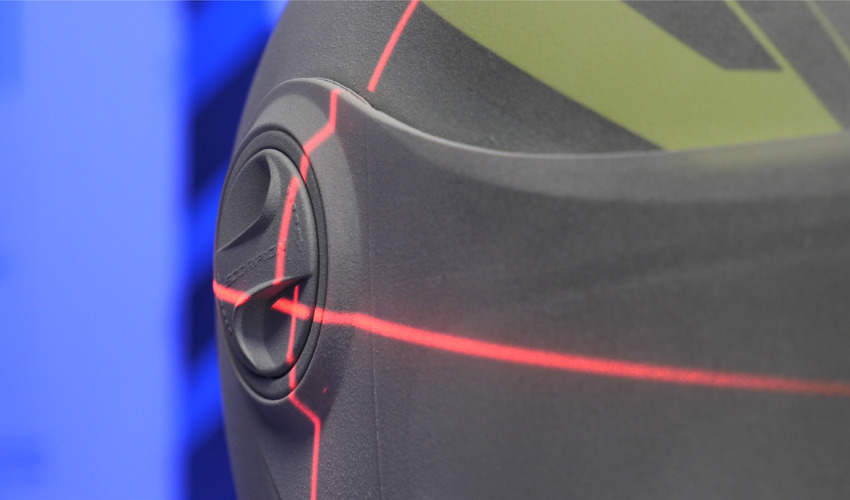
For all those who value precision and attention to detail when it comes to 3D scanning, the use of a spray is essential. Spraying the object with a special spray before the scanning process ensures a clean and matte surface, which not only improves the scan quality, but also enables the scan for some products in the first place. The spray is absolutely necessary for transparent or reflective objects, as the light from the scanner reflects from the surface back to the scanner. But using a spray also offers added value for other objects and has a significant effect on the quality. Significant differences are particularly evident in the precision, as the spray supports the scanner in recognizing possible differences in color, reflection or texture and thereby reducing heterogeneities.
The growing range of such sprays includes the products offered by the German manufacturer, AESUB. The Dortmund company has specialized in the development of sprays for 3D scanning. In addition to traditional, pigment-containing sprays, the manufacturer also offers volatile solutions, which have already received multiple awards. In the meantime, AESUB has been able to build up a global, growing sales network with more than 50 partners who sell the products. To find out more about the company, its products and visions, we talked to AESUB’s founder, Friedrich Schlott.
3DN: Can you introduce yourself and your connection to additive manufacturing?

Friedrich Schlott, founder of AESUB (Photo Credits: AESUB)
In addition to my professional start in development at BMW, I now have more than 20 years of experience in the field of optical measurement technology. Before I founded AESUB around three years ago, I had already managed a measurement services company for several years. Today I see that additive manufacturing and optical metrology have been moving towards each other, especially in recent years.
Many processes start with optical digitization and then use the result for additive manufacturing. On the other hand, the printed component is often 3D scanned to validate the printed geometry. We regularly print the scan data of various components and are always impressed by the results of the printed 3D component and the process itself.
More from the desk
Six other notes from the rest of the bench.
 ApplicationsCzinger 21C: Additive Manufacturing Was Used to Make the ‘Hypercar of the 21st Century’Faster, more efficient and more innovative – these are the words that can be used to describe the Czinger 21C Max supercar presented by, as the name suggests, the US car manufacturer Czinger. At first glance, you might think that…
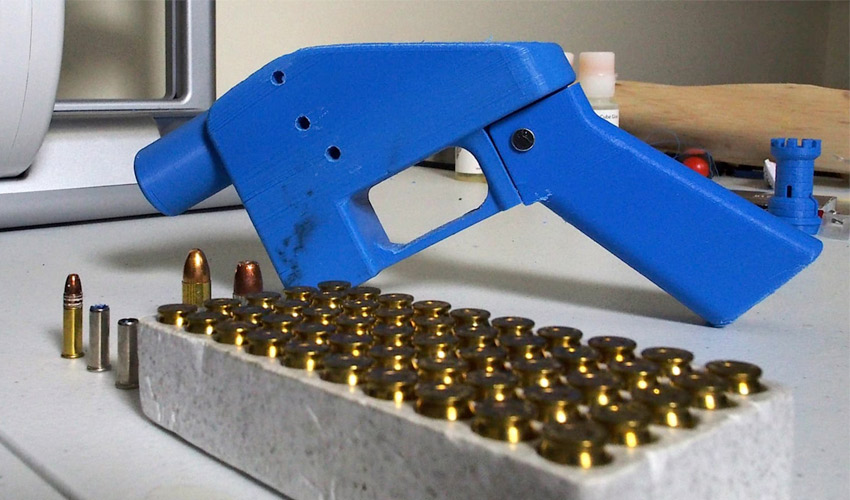 NewsUS Justice Department Proposes New Regulation on 3D Printed Ghost GunsOn Friday, the US Department of Justice (DOJ) proposed a new regulation to update firearm definitions. The proposed rule is intended to close the so-called “Ghost Gun” loophole. Ghost guns, combined with the lack of possible regulation on 3D printing…
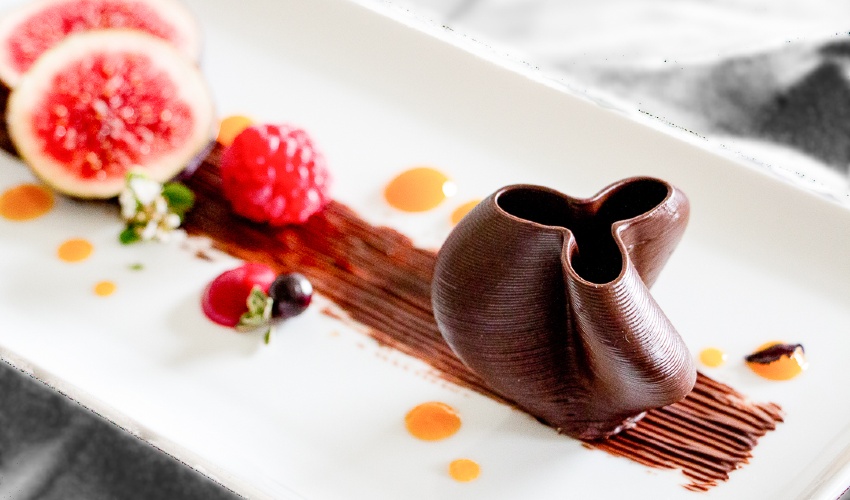 GuidesPrint2Taste Makes It Easier to 3D Print FoodYou don’t play with food, or do you? Print2Taste, founded in Freising in 2014, has an answer. With its 3D printers, the company offers users the possibility to playfully design and 3D print food. Easy handling and fast, high-quality results…
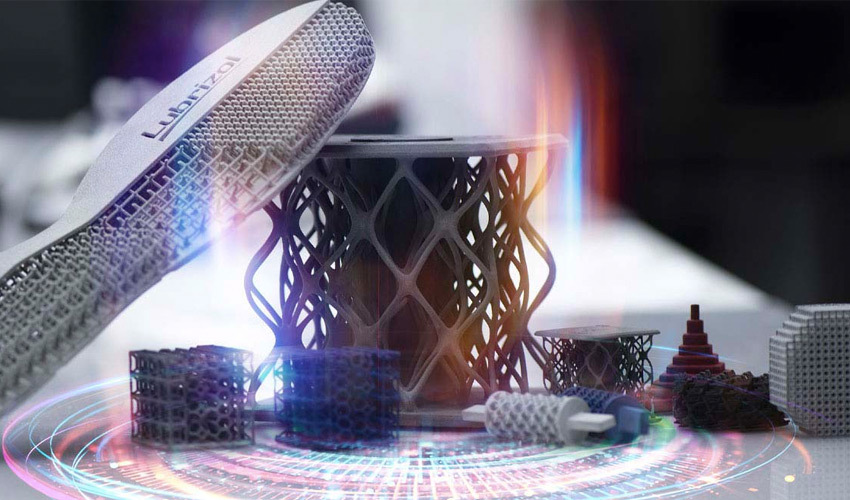 NewsLubrizol Strengthens its Position in the 3D Printing Sector With its Comprehensive Industrial Manufacturing SolutionOhio-based chemical company, Lubrizol, was founded in 1928 and has a strong international presence thanks to its industrial, transportation and life science solutions. The company also has launched a 3D printing division, called Lubrizol 3D Printing Solutions, where the company&h
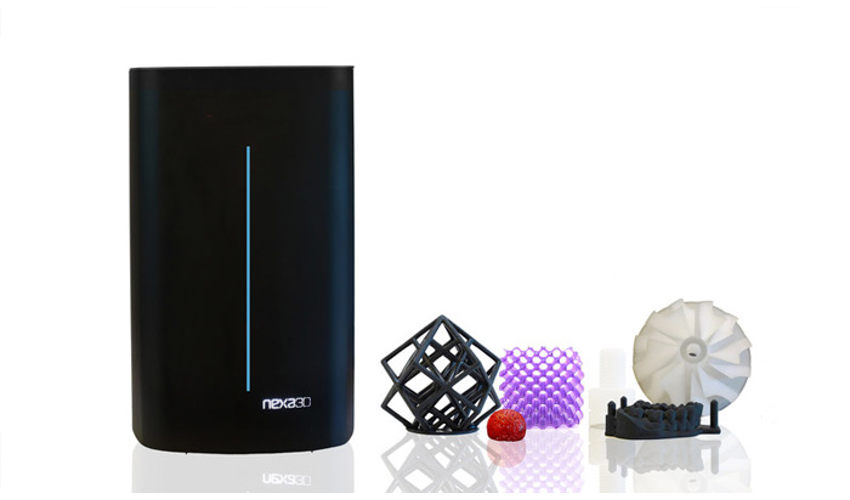 PrintersNexa3D Launch Super Fast Stereolithography SLA 3D PrinterAt CES2018 in Las Vegas (running from the 9-12th Jan 2018), a variety of innovative tech companies are showcasing their new releases. One of these companies is Nexa3D, who will be demonstrating their super-fast stereolithography NXV 3D printer. Due to…
 NewsTop 5 Videos Of The Week: 3D printed buildings in Dubai…We found the TOP 5 VIDEOS of the week about 3D printing and the way additive manufacturing is shaping and changing our society. If you enjoy these, you can view even more 3D printing videos on our Youtube channel. Hope you’ll enjoy…