News
A 3D Printing Method to Create Flexible Fibers Just a Few Microns Thick
Nature never ceases to surprise us. It is also a great source of inspiration for the additive manufacturing market, as demonstrated by a recent study published by the University of Illinois Urbana-Champaign. It highlights a new 3D printing method, called…
- 3 min read
- News
- Six more stories
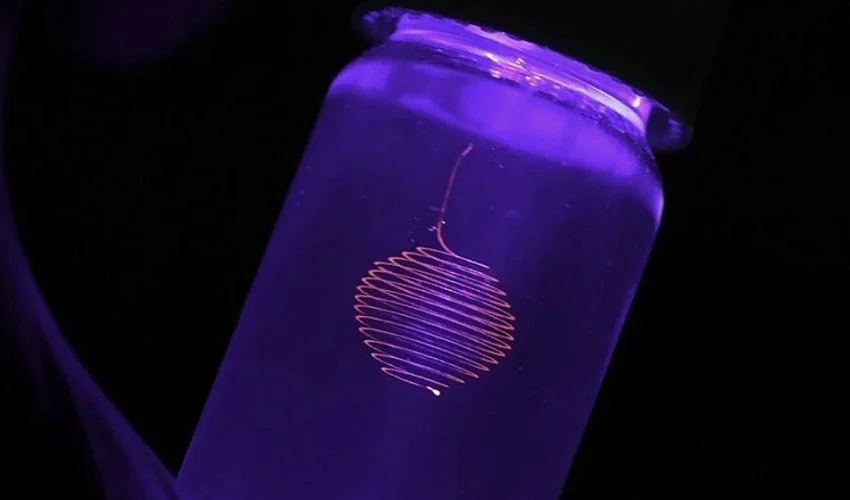
Nature never ceases to surprise us. It is also a great source of inspiration for the additive manufacturing market, as demonstrated by a recent study published by the University of Illinois Urbana-Champaign. It highlights a new 3D printing method, called 3DPX, which is capable of designing ultra-fine fibers, with a diameter of just 1.5 microns.
This process relies on the use of a viscoplastic fluid rheology support gel to print highly complex fibrous structures. The 3D printer’s nozzle is able to move in this gel, freeing itself from the gravitational constraints posed by this type of extremely fine fiber. The team behind this new approach to 3D printing hopes that it will enable the development of applications in the robotics, medical and materials sectors.
Who hasn’t been fascinated by the resistance of a spider’s web, the protective function of an eggshell or the strength of the silk that enables certain insects to capture their prey? When you think about it, these structures are impressive and an inexhaustible source of learning.
More from the desk
Six other notes from the rest of the bench.
 PrintersA Sneak Peek at Anycubic’s Next FDM Printer, the Anycubic Kobra PlusYou may remember earlier this year when Anycubic launched its Anycubic Kobra line with the Kobra as well as the Kobra Max. Now we have yet another exciting announcement from the company. Next week, Anycubic will be launching the latest…
 NewsWhat Is the Takeaway From ADDITIV Design World?It has already been one week since the first-ever edition of ADDITIV Design World took place. The half-day virtual event was dedicated to Design for Additive Manufacturing (DfAM), and was put on with the help of our sponsor Evolve Additive…
 ApplicationsTech-Driven Dental Hygiene: Proclaim Custom-Jet Oral Health System and 3D PrintingIn the realm of dental care, the fusion of health and technology has given rise to the Proclaim Custom-Jet Oral Health System, a groundbreaking innovation facilitated by additive manufacturing. Proclaim spearheads this revolutionary flossing approach, harnessing the power of 3D&h
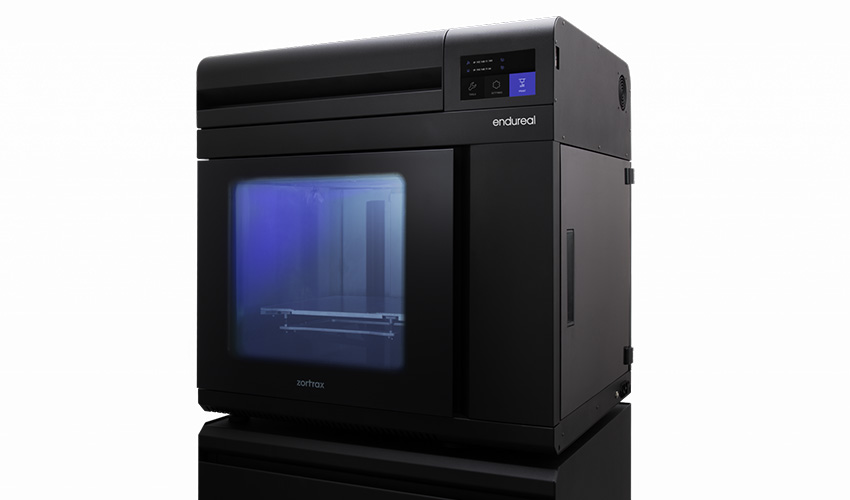 PrintersZortrax is launching a third generation industrial 3D printerZortrax is launching a third generation industrial 3D printer, designed for industry and production lines. It is named Endureal and will be unveiled at the TCT Show in Birmingham between the 24th and 26th of September. For Zortrax, this is…
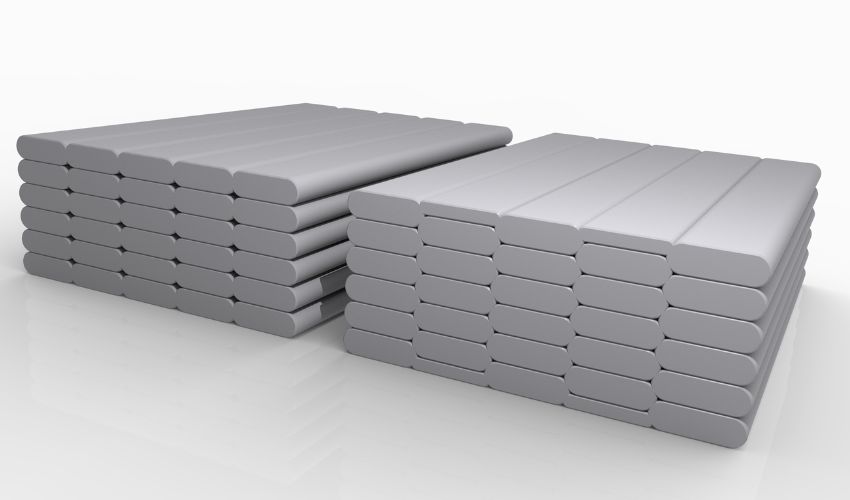 SoftwareHow To Get Stronger FDM Parts With ADDCAAM®?3D printing, especially polymer fused deposition modeling (FDM), has transformed the production of complex shapes and thermal-resistant components in the most demanding industries, such as aerospace and automotive. Despite its advantages, however, FDM technology also encounters l
 GuidesLittle You Talks Using Additive Manufacturing to Create Customizable ToysWe have seen time and again that the additive manufacturing market is rapidly industrializing. However, industrial applications are not the only way that we can use 3D printing. This was recognized by Canadian company, Little You, who allow children to…