Printers
New 3D Printer To Benefit Russia’s Nuclear Industry
In Russia, a groundbreaking 3D printer has been introduced, promising to revolutionize the country’s nuclear industry with additive manufacturing. Rosatom – Additive Technologies (RusAT), a subsidiary of Russian nuclear fuel manufacturer TVEL and part of the state nuc
- 3 min read
- Printers
- Six more stories
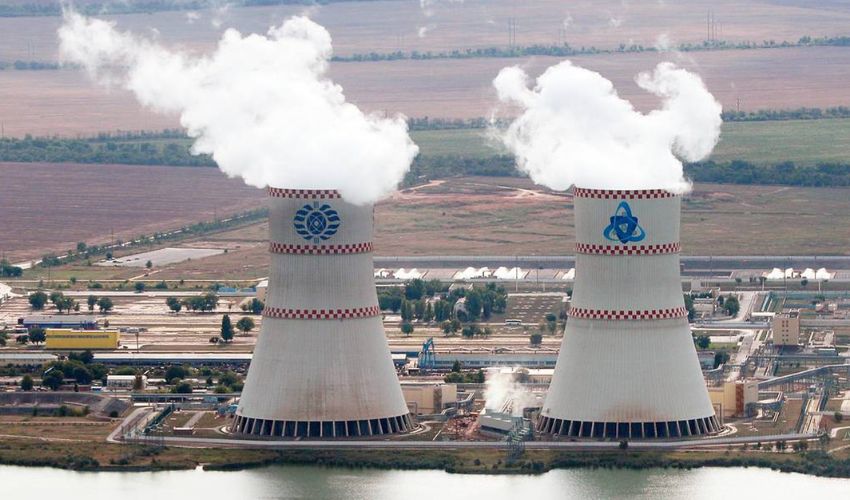
In Russia, a groundbreaking 3D printer has been introduced, promising to revolutionize the country’s nuclear industry with additive manufacturing. Rosatom – Additive Technologies (RusAT), a subsidiary of Russian nuclear fuel manufacturer TVEL and part of the state nuclear corporation Rosatom, unveiled the largest 3D printer of its kind in the country. With the capability to print large-sized parts for nuclear reactors, this innovative technology is expected to significantly reduce costs and manufacturing time.
The 3D printer, developed in collaboration with the Institute of Laser and Welding at St Petersburg Marine Technical University, boasts impressive features. It has a load capacity of eight tonnes and is equipped with two industrial six-axis robots. This cutting-edge machine can manufacture products with a diameter of up to 2.2 meters and a height of 1 meter. Using lasers and powder in the direct metal deposition (DMD) system, the printer employs a layer-by-layer formation process, offering flexibility to produce composite products from various metal powders with different properties.
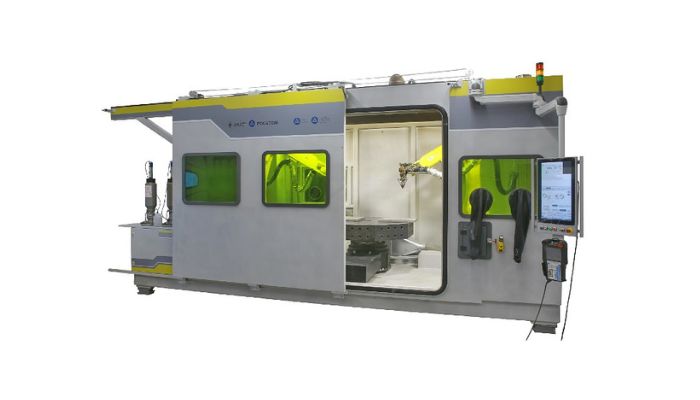
RusAT’s DMD 3D printer (Photo credits: RusAT)
While the printer can be applied across various industries, its initial success lies in its ability to manufacture a 1-meter-high fragment of the baffle for the internal device of a nuclear power reactor. Olga Ospennikova, director of the Association for the Development of Additive Technologies, recognizes the profound impact of additive technologies, stating “Additive technologies are one of the drivers that determine the shape of a new generation of production … this is a breakthrough technology that opens up the possibility for a wide application of additive technologies in the nuclear industry, in particular, it will allow printing large-sized parts of nuclear reactors.”
More from the desk
Six other notes from the rest of the bench.
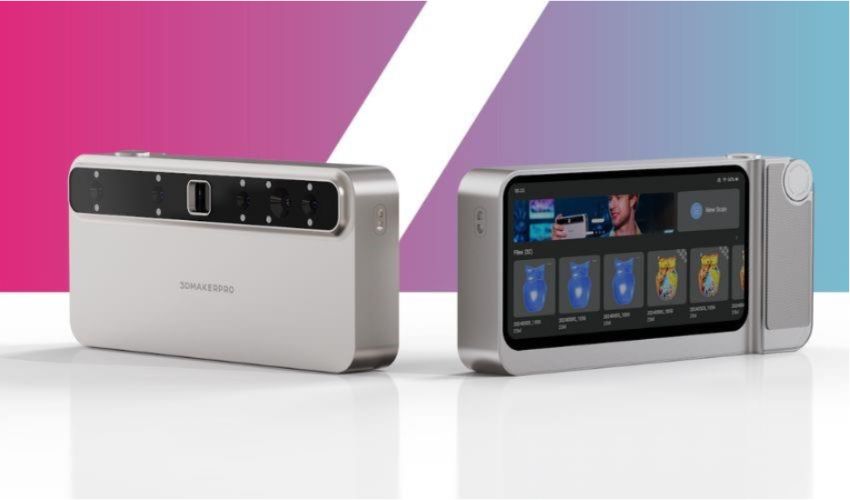 PrintersFrom Big to Small: How the Toucan Scanner is Redefining 3D ScanningNot long ago, anyone interested in 3D scanning had to accept a few trade-offs. If you wanted to capture a model of an object, you needed your scanner, a computer or smartphone and a tangle of cables to connect them.…
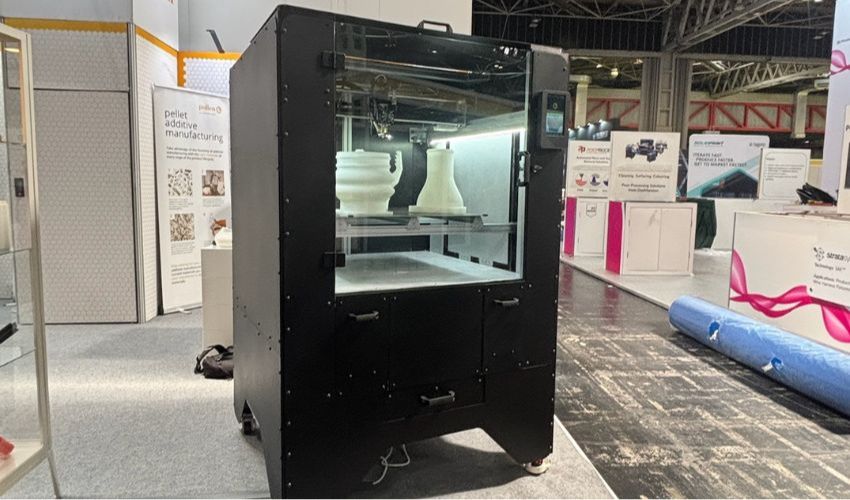 PrintersPam Pro: The Faster, More Affordable 3D Pellet Printer from Pollen AMAccording to a study by DataIntelo published two years ago, the market for pellet 3D printers is expected to exceed $3.5 billion by 2032, with a strong annual growth rate of 12.5% over the period. Manufacturers are becoming increasingly aware…
 ApplicationsNavy Sailors Receive 3D Printed Dental ProstheticsRecently, two Sailors of the United States Navy received emergency dental prosthetics thanks to 3D printing. The procedure made military medical history for being the first of its kind to ever be performed on Navy sailors during a career assignment.…
 NewsTOP 5: Trumpf presents product highlights of the TruPrint 3000As every week, we want to give you an overview of the most exciting videos from the industry on this Sunday. On this Sunday you will find some videos from German manufacturers in our selection. Including a product presentation from Trumpf for…
 NewsIndustrial 3D Printer Shipments Suffer While Desktop Continues to SoarIt is no secret that financial markets the world over had a challenging year last year. Inflation and high interest rates have sparked fears for a recession, as even the International Monetary Fund noted that policies must be implemented to…
 NewsThe 3D Printers That Stood Out at TCT Asia 2025TCT Asia 2025 ended last week! And what a show it was. While there, we saw some incredible applications while also learning about the most important trends in additive manufacturing in China. But that was not all! We also had…