Applications
3D Printed Skin Can Replace Animal Testing for Cosmetics
The skin is the largest organ we have in terms of surface area and whatever we apply to it is able to affect the body directly via the various layers. There it can fulfill its purpose, for example relieve pain…
- 3 min read
- Applications
- Six more stories
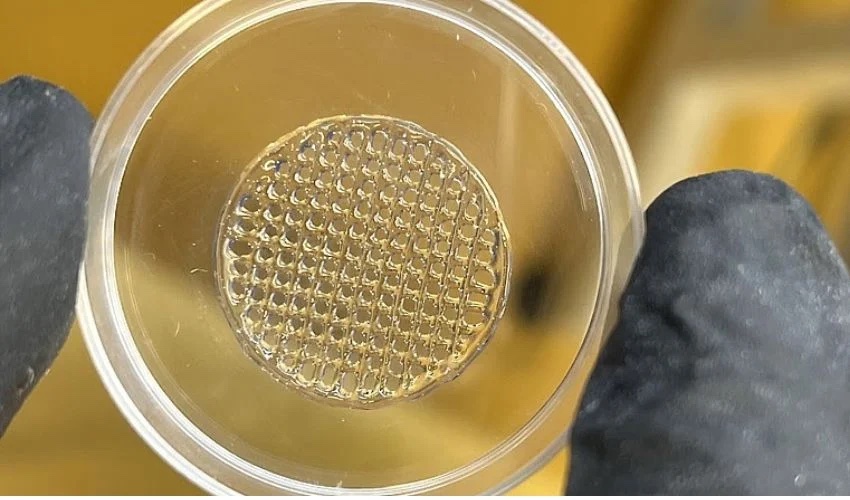
The skin is the largest organ we have in terms of surface area and whatever we apply to it is able to affect the body directly via the various layers. There it can fulfill its purpose, for example relieve pain and contribute to regeneration or even cause great harm. This is the case when ointments, cosmetics etc. contain toxic substances. To rule this out in advance, cosmetics are subjected to numerous tests for purity and compatibility. In order to protect us humans, animals are often used for such tests however, these are increasingly considered to be ethically reprehensible as they cause great suffering to animals. But what are the alternatives for testing sunscreen and other products and guaranteeing their safety? A team of researchers from Graz University of Technology and the Vellore Institute of Technology (VIT) in India created a 3D-printed skin that imitates the human model and is to be used for tolerance studies in the future.
The imitation skin was produced using 3D printing and is enriched with living cells. Like its biological counterpart, it has a three-layered tissue structure. In order to be able to print the imitation, hydrogel formulations had to be developed first. No easy task, as Karin Stana Kleinscek from the Institute of Chemistry and Technology of Biobased Systems at TU Graz points out. “The hydrogels for our skin imitation from the 3D printer have to fulfil a number of requirements,” she explained. “The hydrogels must be able to interact with living skin cells. These cells not only have to survive, but also have to be able to grow and multiply.”
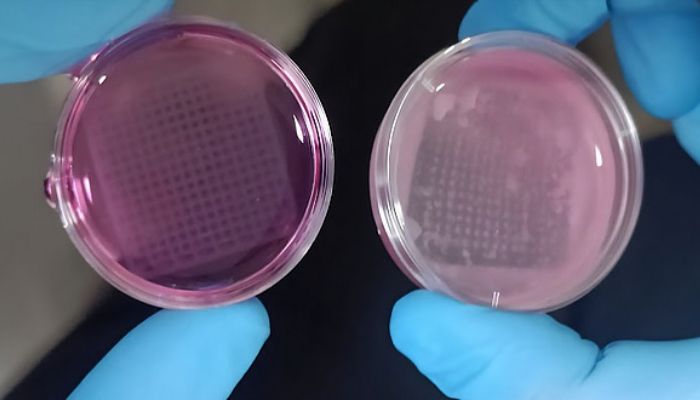
3D-printed structure of the skin with human keratinocytes
Although hydrogels have a high water content, which is ideal for integrating cells and allowing them to grow, the high water content also leads to challenges. For example, the mechanical and chemical stability required for printing is impaired by the high water content. In order to solve the problem of stabilization, TU Graz worked on various cross-linking methods. The experiments were based on nature and the researchers aimed to avoid the use of cell-toxic chemicals.
More from the desk
Six other notes from the rest of the bench.
 Applications#3DExpress: FAA Certifies GE Aerospace Engine Made Using 3D PrintingThis week’s #3DExpress is full of exciting aerospace news! First, the FAA has certified an innovative engine from GE Aerospace that was made using additive manufacturing. Next, the United States Air Force is calling for 3D printing vendors who can…
 NewsUsing additive manufacturing to break the codes of architectureThe HS HITECH 3D printing service uses additive manufacturing to build modular structures including customised structural elements called Blobee. Thanks to HP’s Multi Jet Fusion technology, they were able to design the various joints of a glass substructure, surpassing curr
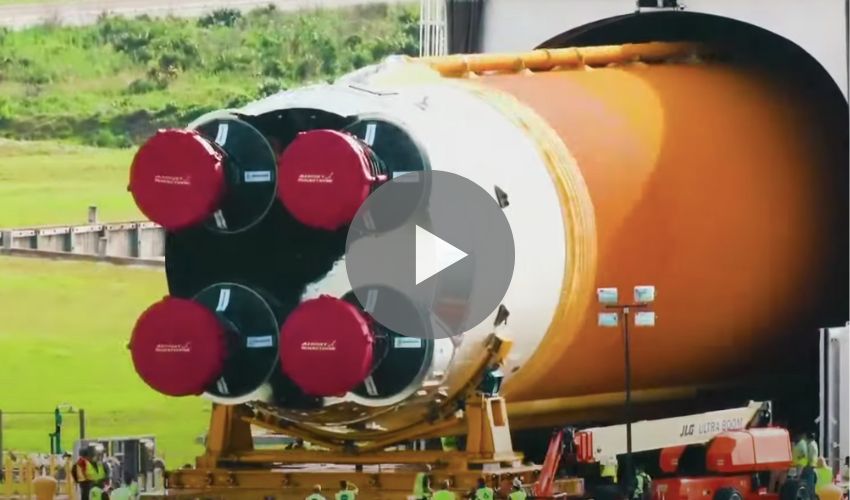 NewsTop 5: A Closer Look at 3D-Printed RocketsIt is that time of the week again! Now that it is finally Sunday, as always we want to introduce you to our top 5 3D printing videos of the week. We start off this week’s selection with a video,…
 ApplicationsGravity Industries, The Company That Lets You Fly With 3D printing!It is possible to fly… no, really! We have always heard that in the future it would be possible to fly and the future has arrived, it is today. This has been made possible thanks to today’s featured company: Gravity…
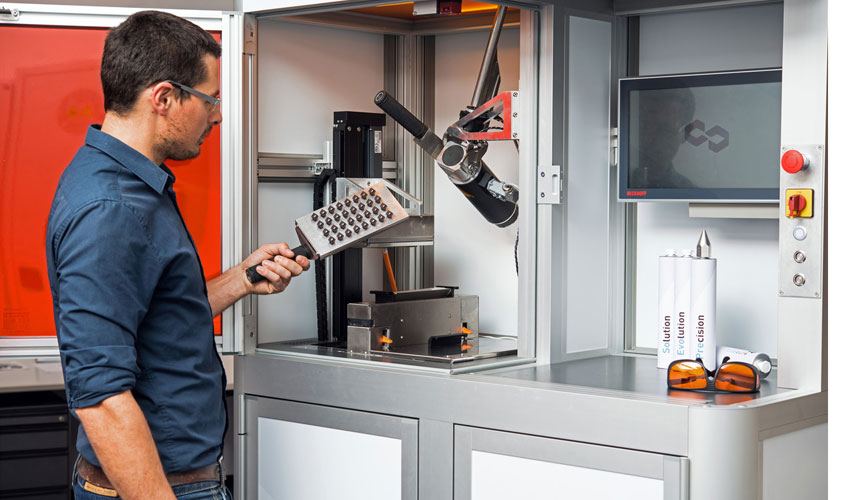 Guides#3DStartup: Cubicure and Hot Lithography ProcessIn 2015, Cubicure was founded by Prof. Dr. Jürgen Stampfl and Dr. Robert Gmeiner. That same year they won the S2B award of the Rudolf Sallinger fonds and came in second in the “Call Pro Industry” funding program, all indicating a…
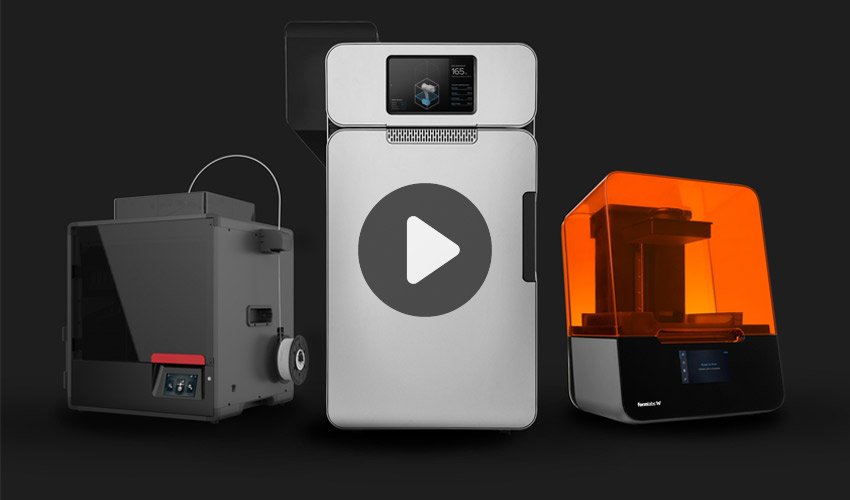 NewsTop 5 Videos of the Week: how to choose your 3D printing technology…This week we found the top 5 videos about 3D printing and the way additive manufacturing is shaping our society. The technology has infiltrated many sectors, from medical to automotive! Check out our selection of the week to keep up with the innovations! This week we…