News
3D-Printed Nanoresonators Research Develops Advanced Sensors for Mobile Phones & Electronics
In our everyday lives, we encounter Micro-electro-mechanical devices (MEMS) throughout our daily routines—from mobile phones to various electronics. Research on advancing MEMS technology is focused on reimagining traditionally bulky mechanical systems as miniature components and
- 3 min read
- News
- Six more stories
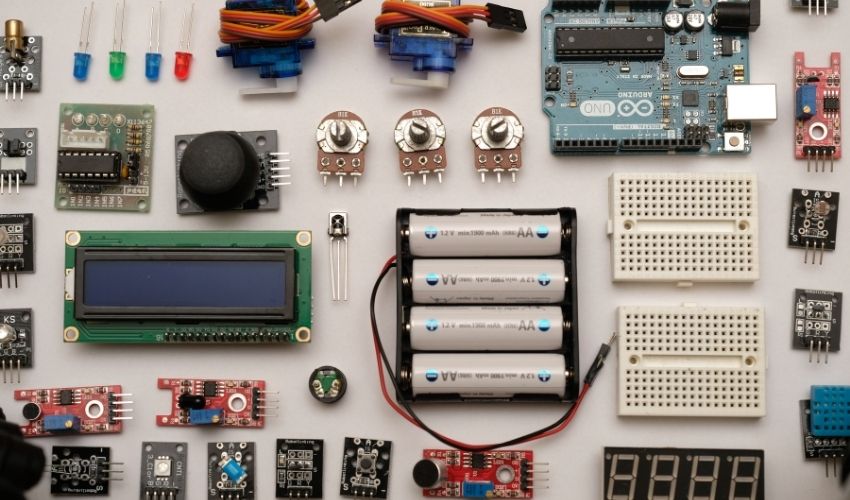
In our everyday lives, we encounter Micro-electro-mechanical devices (MEMS) throughout our daily routines—from mobile phones to various electronics. Research on advancing MEMS technology is focused on reimagining traditionally bulky mechanical systems as miniature components and products that are high-performing and mass-producible. So, naturally, researchers at the Department of Applied Science and Technology (DISAT) and the Hebrew University of Jerusalem turned to 3D printing technology for their nanoresonators research to create these micrometer-scale electrical components on a nano-scale. Nanoscale miniaturization of these devices (NEMS) opens up a world of possibility that includes inertial, mass, and force sensors with such high sensitivity that have the ability to interact with singular molecules.
As is the case in many traditional fields of manufacturing, the producing NEMS sensors are constrained by the high manufacturing cost of existing silicon-based technologies. However, with new 3D printing technologies, research has shown that similar structures can be produced at a low cost while advancing the intrinsic functionalities of these devices. Previous attempts to mass-produce sensors have resulted in devices with poor performance. Now, this new research study has revealed that it is possible to produce high-quality mechanical nanoresonators using 3D printing with mass sensitivity and strength comparable to that of silicon resonators.
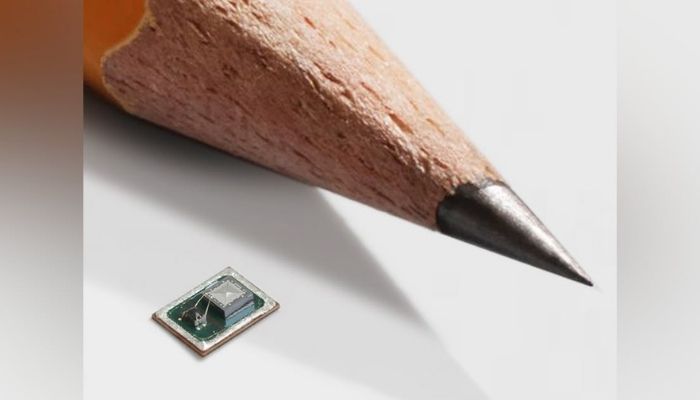
MEMS microphone (Photo Credit: Vesper)
3D-Printed Nanoresonators
MEMS are made up of extremely tiny components ranging from 1 to 100 micrometers in size. To get these devices to the nanoscale, the researchers started the process with two-photon polymerization on new liquid compositions, followed by a thermal process that removes the organic content, resulting in a ceramic structure with high rigidity and low internal dissipation. “The NEMS that we have fabricated and characterized have mechanical performances in line with current silicon devices, but they are obtained through a simpler, faster, and more versatile process, thanks to which it is also possible to add new chemical-physical functionalities. For example, the material used in the article is Nd: YAG, normally used as a solid-state laser source in the infrared range”, explained Stefano Stassi, a researcher from DISAT.
More from the desk
Six other notes from the rest of the bench.
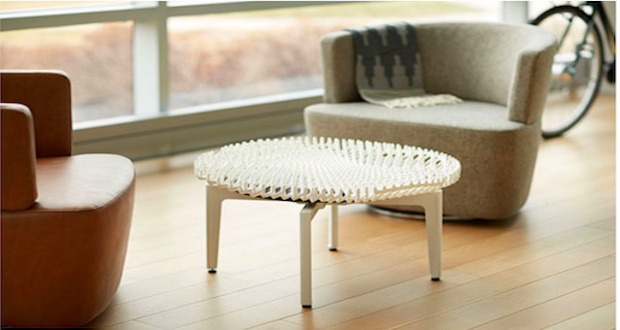 NewsSteelcase & MIT’s Self-Assembly Lab are bringing us the next level of 3D printed furnitureIf you watch our weekly TOP 5 videos each Sunday, then you will already be familiar with Steelcase, the largest office furniture company in the world who has incorporated 3D printing into the heart of their designs; bringing their creations and…
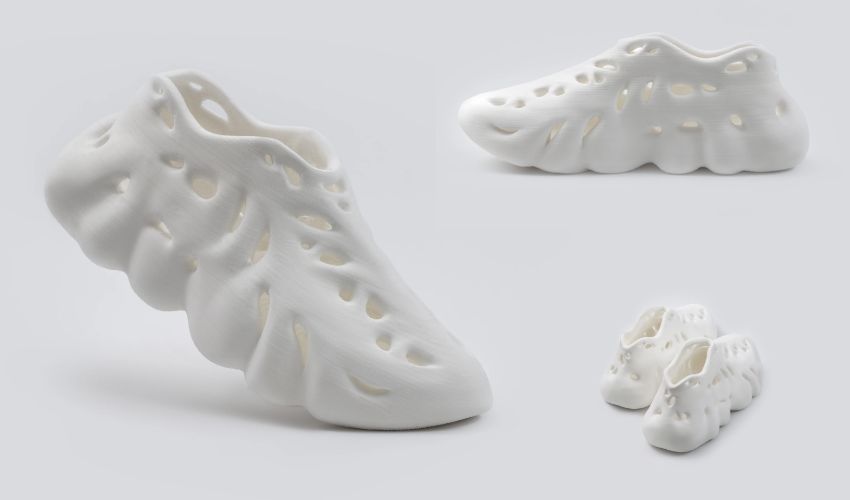 NewsELASTIUM-1, the World’s First Fully 3D Printed Foam ShoeFootwear made with additive manufacturing is a relatively recent revelation. Though the concept of 3D printing first entered the scene in the late 1970’s, it was only incorporated into the footwear industry three decades later in 2014, with adidas’s Futurecraft&hellip
 GuidesMeeting with mything, the local 3D printing platformMything is an Austrian marketplace that offers its users various 3D printed products locally. These objects or models cover a variety of sectors, from fashion and office accessories to everyday objects, all designed with 3D printing technologies. Following its recent…
 NewsMeaTech: this startup is 3D printing real and clean meatOver a month ago, we told you about the latest developments in alternative meat products made possible by 3D printing technologies. A growing number of companies have started to invest in the development of 3D printed meat alternatives, some rely…
 GuidesStartup of the month: Voodoo Manufacturing, proving that 3D printing factories are here to stayEach month the 3Dnatives team searches across the globe for the latest startups in 3D printing that are helping to revolutionize the industry as we know it. This month, we have chosen Voodoo Manufacturing; the New York startup who are developing 3D…
 NewsSaving Endangered Coral Reefs Using 3D PrintingMarine life has suffered significantly due to environmental issues in the past few years. Global warming and the accelerated urbanization in coastal areas has driven different parts of the life underwater to the edge of extinction. One alarming example is…