News
How is the 3D printing community responding to COVID-19?
During the last few days, a wide range of initiatives have emerged across the world to face the current health crisis. It’s no secret that global stocks are running low for essential products such as masks or ventilators. Hospitals are…
- 3 min read
- News
- Six more stories

During the last few days, a wide range of initiatives have emerged across the world to face the current health crisis. It’s no secret that global stocks are running low for essential products such as masks or ventilators. Hospitals are the first to suffer from the lack of equipment. The 3D printing community has mobilised and put online a number of resources that will help face the current crisis. In such times, it is very encouraging and positive to see such a response from the AM community and players. It’s true that 3D printing can offer a lot of flexibility – simply unachievable with traditional manufacturing technologies. If you own a 3D printer, in a matter of hours you could make a mask or create a ventilator. The model just needs to exist in a digital file such as an STL file and sent to the 3D printer. Below, you will find all the details on the initiatives that have been launched up to this date.
3D Printed Masks and Ventilators
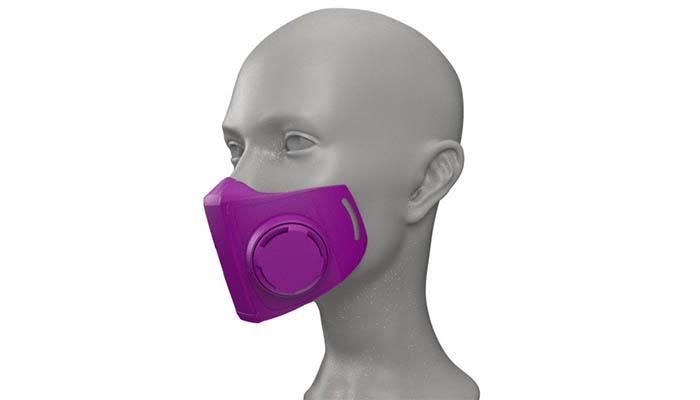
Copper3D has launched its Hack the Pandemic global initiative, which aims to mobilize all manufacturers of machines, 3D printing services, or fablabs to produce their NanoHack mask. This mask can be used as a replacement for N95 masks. NanoHack is antiviral, washable, reusable, recyclable and affordable. The company has released the STL file to the mask, and also instructions on how to print it and assemble it. Copper3D filed a patent, which it has also shared on its website. It explains that a team of scientists from the US and Chile are behind the development of NanoHack. You can find the file HERE.
As we were telling you at the beginning of the week, in Italy a few companies mobilised to 3D print valves for respiratory intensive care equipment in a hospital in Brescia. The intervention could save the lives of 10 COVID-19 patients – a showcase of the efficiency of 3D printing technologies in emergency cases. We contacted the designer behind the 3D printed valve that was attached to the ICU equipment, Christian Fracassi who told us: “I can’t share the file because at the moment only 150 parts are needed. If a hospital gives me the correct code for the valve and they have contacted their supplier who told them that they cannot deliver on time, then I will send them the file. The Prime Minister called me personally and asked me not to share anything.”
More from the desk
Six other notes from the rest of the bench.
 PrintersCurious about 3D printing in color? then let us explain!These are always questions that may arise as you begin taking an interest in 3D printing, and one of these areas where we see many questions asked is when it comes to 3D printing in color. Most people, when 3D…
 NewsTop 5 Videos of the Week: Bone 3D printing and more!This week we found the top 5 videos about 3D printing and the way additive manufacturing is shaping our society. The technology has infiltrated many sectors, from medical to automotive! Check out our selection of the week to keep up with the innovations! This week we…
 NewsThe world’s first 360° breathable waterproof 3D printed shoesBe it a limited collection of designer shoes or just a 3D printed midsole in mass-produced sneakers, additive manufacturing is steadily making its way deeper into the world of footwear production. Both big brands and smaller companies are opting for…
 NewsTop 5 Videos of the Week: an electric and autonomous car integrates 3D printingThis week we found the top 5 videos about 3D printing and the way additive manufacturing is shaping our society. The technology has infiltrated many sectors, from medical to automotive! Check out our selection of the week to keep up with the innovations! This week we…
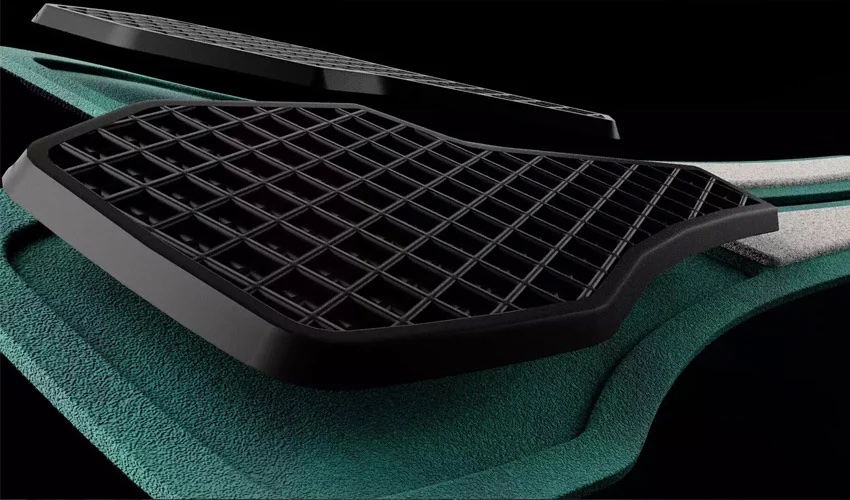 News3D Printed Inserts That Maximize Comfort for CyclistsBased in Treviso, Italy, Elastic Interface has used additive manufacturing for the first time to design chamois for cyclists, i.e. inserts that are placed inside the shorts to maximize rider comfort. Called NX3, these inserts have a unique design and…
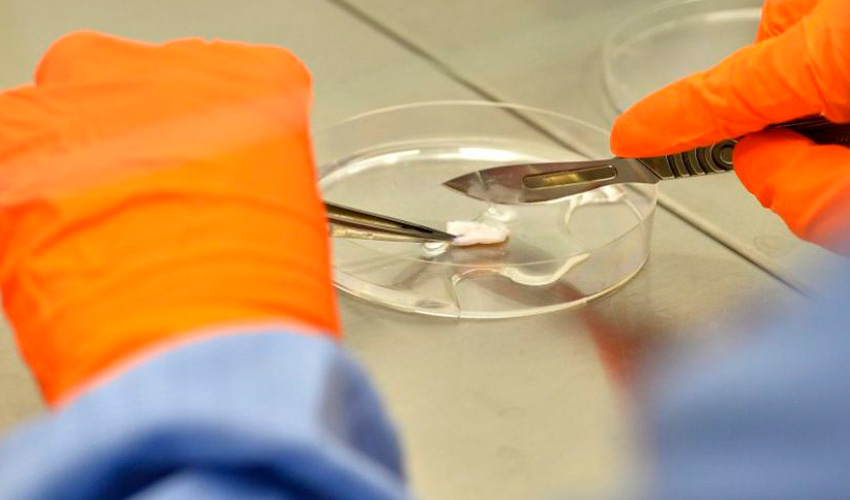 NewsPoietis signs agreement with Prometheus to bio-print cartilageFrench bio-printing specialist, Poietis, has announced a new research agreement with Prometheus, the tissue engineering department of KU Leuven in Belgium. Their goal is to develop bio-printing of advanced therapy drugs in cartilage regeneration. For two years, both actors will&h