News
Dragons brought back to life thanks to 3D technologies
Take a tour of London this summer and visit Kew Gardens, where you can admire The Great Pagoda, an octagonal ten-storey tower designed in 1762 and recently restored with 3D technology. It has just reopened to the public today: the…
- 3 min read
- News
- Six more stories
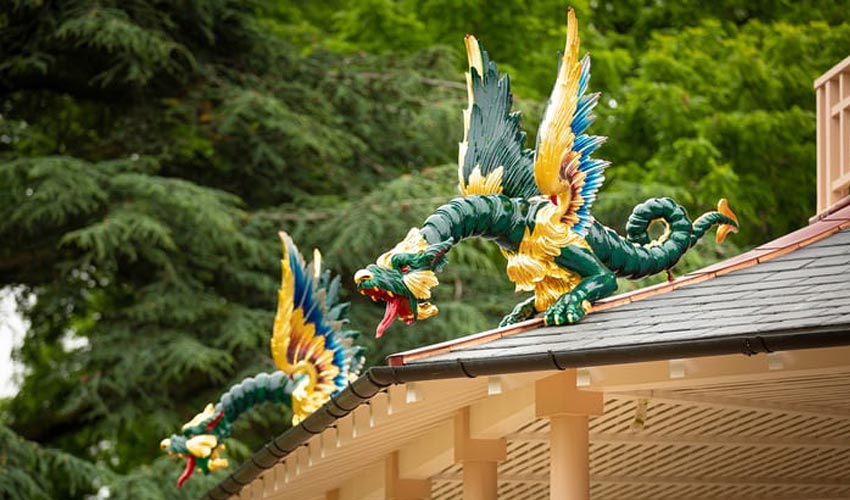
Take a tour of London this summer and visit Kew Gardens, where you can admire The Great Pagoda, an octagonal ten-storey tower designed in 1762 and recently restored with 3D technology. It has just reopened to the public today: the 72 dragons who decorate it have been printed in 3D and have resumed their place after more than 230 years of absence.
The Great Pagoda was designed by Sir William Chambers as a gift for Princess Augusta, the founder of Kew Botanical Gardens. At each corner of the tower, on the ten floors, one could see painted wooden dragons which, twenty years after had been removed to repair the roof of the tower were never replaced. UNESCO World Heritage, the architecture needed substantial restorations. It was the Historic Royal Palaces (HRP) who took charge of this work and soon realised that bringing back these dragons to life was not going to be easy.
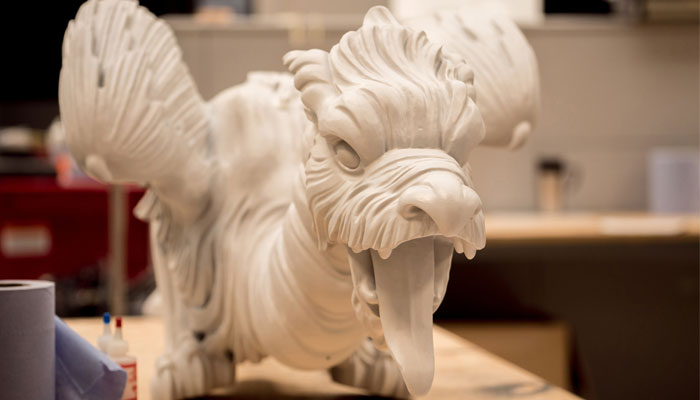
A 3D printed dragon
72 dragons was 3D printed
Restoration work is often lengthy, costly, and sometimes creates difficulties in terms of design and accuracy in the reproduction of the original work. The 3D technology can then become a solution to overcome these challenges and some are increasingly used to carry out these cultural and historical restorations. HRP turned to 3D Systems’ SLS technology to create lightweight, durable replicas of the original dragons.
More from the desk
Six other notes from the rest of the bench.
 NewsTOP 5 videos of the week: Easter Bunnies, Shape Changers and Sneakers!A new selection of the best 3D printing videos of the week, just for you! Find our TOP 5 videos of the week below and tell us what your favorite video is in a comment or on our Facebook and Twitter page.…
 ApplicationsThe 3D Printing Dental Market is BoomingSmarTech Publishing recently announced its latest report on the 3D printing dental market, including an expected increase in market size to $9.5bn by 2027. SmarTech’s findings explain that the dental industry has grown by over 35% year-on-year in 2016 and…
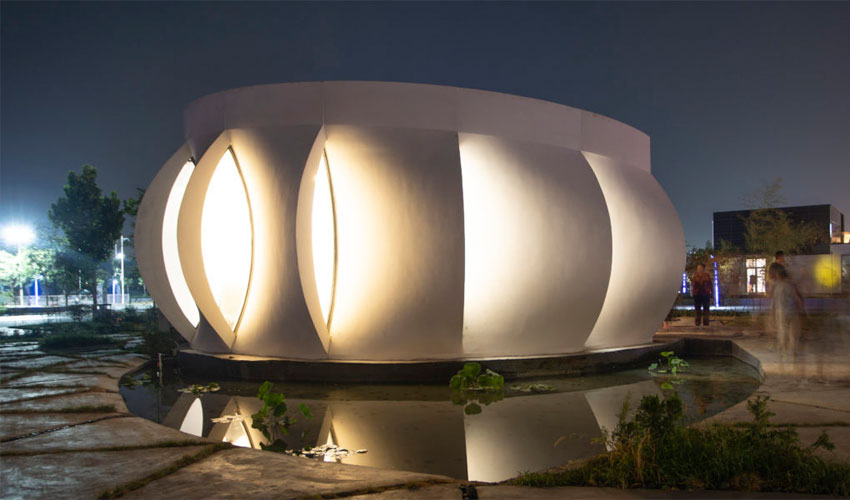 NewsLotus House; the 3D printed solar houseAs part of the Solar Decathlon China 2018 competition, students designed and built a 3D printed solar house called the Lotus House. The Chinese symbol of purity, the lotus flower, inspired this house designed to achieve optimum energy efficiency. The…
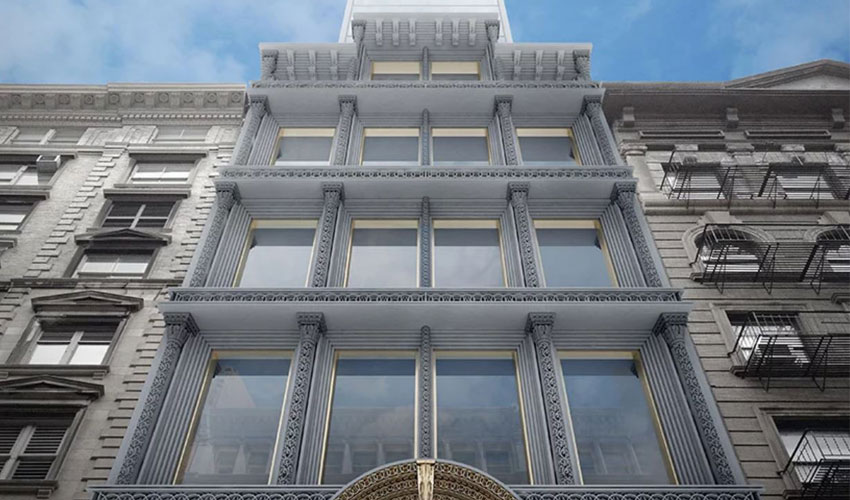 News3D printing takes on the restoration of a historic buildingEDG is a New York-based architecture firm that says it has developed a new method of digital sculpture, called “Modern Ornamental”, used to restore a building in New York City. This method relies on 3D printing to make complex molds…
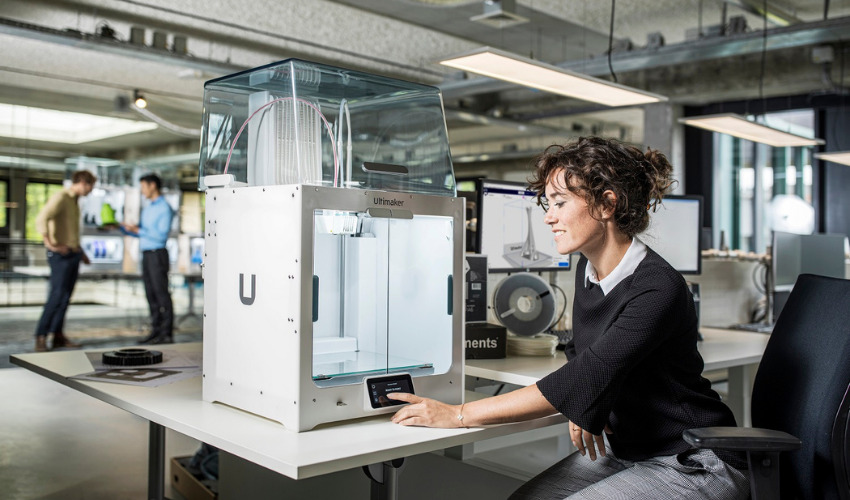 NewsSolvay, L’Oréal and Ultimaker Join Forces For 3D Printing Design CompetitionFor Solvay’s 3rd Annual Additive Manufacturing Cup, the company is joining forces with L’Oréal, the world’s beauty leader, and Ultimaker, a global leader in professional 3D printing, to challenge students, engineers, and creators from around the world to create innovative…
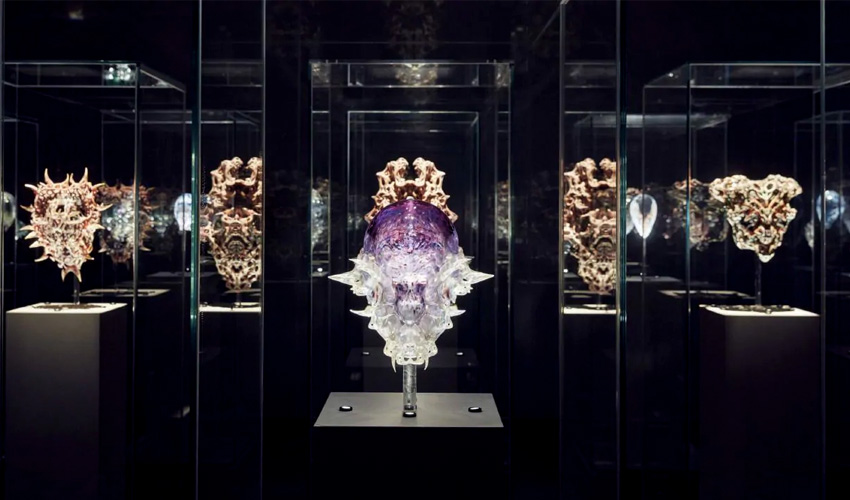 News3D printing in art: an evolution of the conceptThe arrival of 3D printing technologies in the 1980s opened a world of possibilities not only on the industrial level, but also for creative developments. From the cheapening of certain technologies and the opening of several patents, artists have daily…