
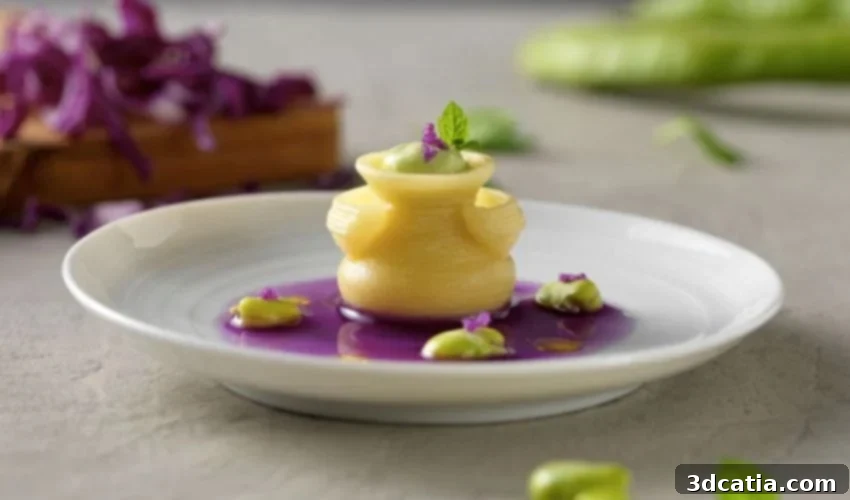
Revolutionizing Gastronomy: The Art and Science of Barilla’s 3D Printed Pasta
In an era defined by rapid technological advancements, 3D printing, also known as additive manufacturing, has permeated numerous industries, from aerospace and healthcare to automotive and fashion. Its transformative capabilities are now extending into an unexpected yet profoundly impactful domain: the food industry. This innovative technology is not merely altering production methods; it’s reimagining culinary possibilities and pushing the boundaries of what we consume. Among the pioneers exploring this exciting frontier is the venerable Italian pasta giant, Barilla. For decades, Barilla has been synonymous with quality and tradition in pasta making, yet it is also a company unafraid to embrace the future. Back in 2016, Barilla made headlines with the introduction of its experimental food 3D printer, a device capable of crafting fresh pasta on demand. This initial foray sparked considerable curiosity, but after the initial buzz, the concept of 3D printed pasta largely faded from public discourse, leaving many to wonder if it was just a fleeting novelty. However, Barilla never abandoned its vision. Several years later, the company has triumphantly re-emerged into the spotlight, not just with a concept, but with a fully realized, commercially available product line. Through its specialized spin-off, BluRhapsody, Barilla now offers an impressive array of 15 distinct pasta models, accessible via the BluRhapsody 3D website. This re-introduction signifies a serious commitment to food innovation, as evidenced by the fact that renowned chefs across the globe are already integrating these unique 3D printed pasta creations into their avant-garde culinary offerings.
BluRhapsody is more than just a brand; it’s a testament to Barilla’s dedication to pioneering the future of food. Born out of Barilla’s intensive Research & Development initiatives, BluRhapsody initially focused on providing a service that leveraged Barilla’s proprietary 3D pasta printing technology to produce custom designs. This strategic evolution highlights a shift from merely exploring a technology to establishing a viable commercial venture. Today, BluRhapsody stands as a dynamic entity, offering chefs the unprecedented ability to purchase exquisite, customized 3D printed pasta shapes that were previously impossible to create through conventional manufacturing techniques. Based in Parma, Italy – a region globally celebrated for its rich gastronomic heritage – BluRhapsody is proudly the inaugural startup fostered by Blu1877. This parent company, Blu1877, was specifically established by Barilla to actively engage with, invest in, and provide robust support to individuals and organizations that are spearheading innovations in the food sector. This ecosystem approach ensures that BluRhapsody benefits from a continuous flow of resources, expertise, and a shared vision for culinary advancement, positioning it at the forefront of food technology and design. By embracing 3D technologies, BluRhapsody is not just creating pasta; it’s crafting an entirely new medium for culinary expression.
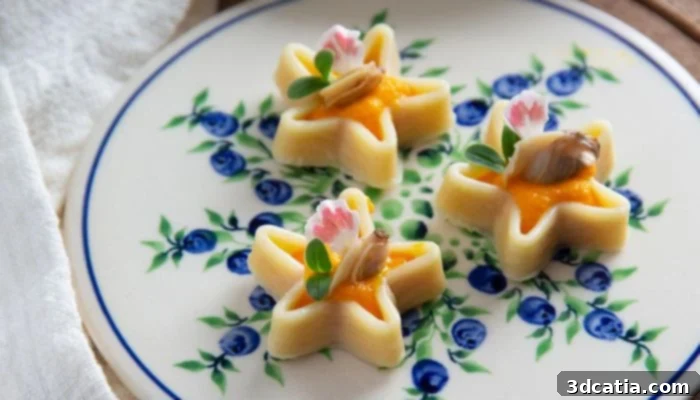
Star-shaped 3D printed pasta, showcasing intricate designs achievable through additive manufacturing (photo credits: BluRhapsody 3D)
The Genesis of Edible Art: Ingredients and Precision in 3D Printed Pasta
At the heart of BluRhapsody’s extraordinary creations lies a commitment to unparalleled quality, starting with its fundamental ingredients. The basic product comprises a meticulously selected, first-quality durum wheat semolina. This premium semolina is not mass-processed; instead, it undergoes careful handling and kneading in small, controlled batches. This precise methodology is crucial for guaranteeing a perfect texture and consistency in every single piece of pasta, ensuring that the integrity of the final product meets the highest culinary standards. To this finely processed semolina, water is added, along with a natural extract that imparts subtle, appealing coloring properties, transforming the pasta from a simple food item into a vibrant component of a dish. What truly sets BluRhapsody apart is its masterful integration of advanced technological innovation. This isn’t just about making pasta; it’s about enabling a new form of artistic expression in the kitchen. Chefs, and indeed culinary artists, are empowered to transcend traditional limitations, crafting pasta shapes that are inspired by the boundless beauty of nature – from delicate floral patterns to the intricate structures found in marine life – or by the fleeting flavors and themes of any given season. The ability to design and produce such bespoke forms allows them to elevate their dishes into truly personalized, edible works of art. The BluRhapsody website itself serves as a gallery of possibilities, offering a vast and diverse selection of predefined shapes. These include elegantly sculpted butterflies, romantic hearts, perfectly spherical forms, classic shells reinvented with modern flair, and even highly intricate designs like sea urchins, demonstrating the incredible precision and creativity achievable with 3D food printing technology. This fusion of tradition and innovation redefines pasta, turning it into a medium for unparalleled culinary creativity.
A Culinary Revolution: Crafting a Unique Sensory Experience with 3D Printed Pasta
The meticulous design and production of BluRhapsody’s 3D printed pasta extend beyond mere aesthetics; they contribute to an entirely new culinary experience. Each individual pasta unit is precisely engineered, weighing approximately 7 grams and measuring roughly 2.8 cm x 3 cm (about 1.1 x 1.18 inches). This uniformity ensures consistent cooking and presentation, which is vital in high-end culinary environments. While the concept of customized pasta might suggest exorbitant prices, BluRhapsody offers these artistic creations at a range of 25 to 57 euros (approximately $26 to $60) for a pack of 12 large, personalized pieces. This quantity is sufficient to prepare a few exquisite dishes, making it an accessible luxury for professional kitchens. At present, these unique products are primarily intended for high-end restaurants and visionary chefs who are dedicated to crafting unforgettable dining experiences. For these culinary professionals, the cost is not merely for ingredients; it’s an investment in artistry, innovation, and the ability to offer diners more than just a meal – it’s an immersive sensory journey. The intricate shapes and bespoke designs contribute significantly to the visual appeal of a dish, tantalizing the eyes even before the first bite. Furthermore, the unique geometries can influence how sauces adhere to the pasta, how it feels in the mouth, and even how it carries flavors, adding layers of complexity to the dining experience. Chefs from around the world are now empowered to experiment with these novel 3D-printed kinds of pasta, pushing the boundaries of traditional gastronomy and presenting their patrons with truly distinctive and memorable plates.
However, the introduction of 3D printed pasta also raises pertinent questions regarding its future in the broader culinary landscape. Will its adoption in restaurants inevitably lead to higher menu prices for consumers? More importantly, will the innovative shapes and production methods compromise the beloved taste and texture that define traditional Italian pasta? Pasta remains a globally consumed food, cherished for its simplicity, versatility, and ease of preparation. For centuries, its fundamental forms have remained largely unchanged. The texture, the ‘al dente’ bite, and the way it absorbs sauce are all crucial elements of its appeal. The 3D printing process, while offering incredible design freedom, must respect these foundational characteristics to gain widespread acceptance beyond the haute cuisine niche. The potential for precision in ingredient mixing and even cooking properties, however, could also lead to new textural experiences or optimized sauce adherence. This is where Barilla’s deep expertise in pasta manufacturing becomes invaluable. Their ongoing research likely focuses not just on form, but equally on function, aiming to deliver an exceptional gustatory experience. As Barilla and BluRhapsody continue to innovate, it will be fascinating to observe how these questions are addressed and whether the unique advantages of 3D printed pasta can truly elevate the everyday meal or remain a specialized indulgence. The current offering, with its bespoke nature and premium pricing, clearly targets a segment of the market that values novelty and artistic presentation. Yet, the underlying technology holds the promise of broader applications, perhaps even leading to personalized nutrition or specialized dietary pastas in the future.
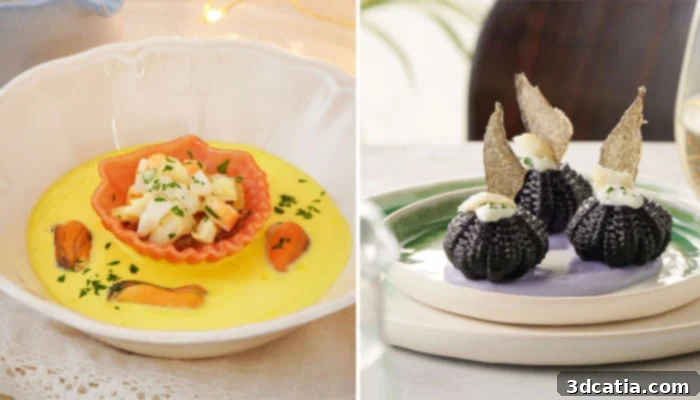
Intricate pasta shapes designed to evoke the beauty of marine life, demonstrating 3D printing’s creative potential (photo credits: BluRhapsody 3D)
The Future of Food: Challenges, Opportunities, and Widespread Adoption
While the current applications of 3D printed pasta primarily cater to the high-end culinary market, the technology itself carries immense potential for broader impact within the food industry. One of the significant advantages is the unprecedented level of customization. Imagine a future where consumers can choose specific shapes, sizes, and even ingredient compositions for their pasta, tailored to their dietary needs or aesthetic preferences. This level of personalization extends beyond pasta to other food items, opening doors for specialized nutrition, visually engaging meals for children, or even intricate designs for celebratory occasions. The precision offered by 3D printing can also lead to reduced food waste in manufacturing complex shapes, as ingredients are deposited exactly where needed, unlike traditional methods that might involve cutting or discarding excess dough. Furthermore, the technology could facilitate the incorporation of novel ingredients, such as insect protein or algae, into appealing forms, addressing global food security challenges and promoting sustainable eating habits.
However, the path to widespread adoption is not without its challenges. The primary hurdles include the initial cost of specialized food 3D printers, the speed of production compared to conventional industrial pasta machines, and perhaps most crucially, consumer perception. Will the average consumer embrace “printed” food over traditionally manufactured products? Questions about taste, texture, and even psychological acceptance will need to be thoroughly addressed. Barilla’s strategic approach with BluRhapsody—starting with chefs and high-end restaurants—is a shrewd move. It allows for the technology to be refined, validated by culinary experts, and gain prestige before a potential trickle-down to the mass market. As the technology matures, and if production costs decrease while speed increases, we might see compact food 3D printers in commercial kitchens, or even eventually in homes, allowing for on-demand creation of personalized meals. The implications extend far beyond pasta, envisioning a future where ingredients are precisely layered to create complex flavors and textures in countless dishes. Barilla, through BluRhapsody and Blu1877, is not just selling pasta; it is investing in a paradigm shift for how food is designed, produced, and consumed, highlighting an exciting convergence of culinary artistry and cutting-edge engineering. This venture positions them as thought leaders in the burgeoning field of food technology, promising a future where our meals are as innovative as they are delicious. In the meantime, you can explore the different models available HERE.
What are your thoughts on this revolutionary 3D printed pasta and the future it heralds for gastronomy? We’d love to hear your perspective! Share your comments below or engage with us on our LinkedIn, Facebook, and Twitter pages. Don’t miss out on the latest advancements in 3D printing; sign up for our free weekly Newsletter here to get industry news delivered straight to your inbox! You can also explore our extensive video library on our YouTube channel for more insights into the world of additive manufacturing.
*Cover Photo Credits: BluRhapsody 3D