
The XEV LSEV: A Glimpse into the Future of Affordable 3D Printed Electric Vehicles
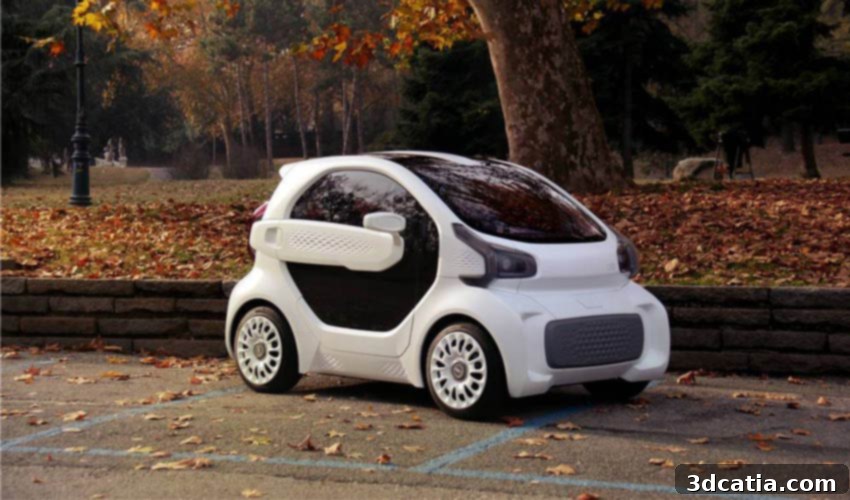
The automotive industry is undergoing a profound transformation, driven by innovations in electric propulsion and advanced manufacturing techniques. Among these, 3D printing, or additive manufacturing, stands out as a game-changer, promising to revolutionize how vehicles are designed, produced, and customized. While many initiatives in the automotive sector have utilized 3D printing for specific components, the idea of a nearly entirely 3D printed electric car hitting the market has captured significant attention. This article delves into the ambitious project by Italian manufacturer X Electrical Vehicle (XEV) and their LSEV model, a pioneering effort to bring mass-produced 3D printed electric vehicles to the global stage.
First announced in 2018, the XEV LSEV generated considerable buzz with its promise of a market launch in April 2019. Throughout various international shows, prototypes of this innovative vehicle were presented, showcasing a bold vision for automotive production. However, as with any truly disruptive technology, the emergence of a new manufacturer like XEV, venturing into such an uncharted territory, naturally brings a degree of anticipation mixed with cautious optimism. The automotive world, accustomed to lengthy development cycles and traditional manufacturing complexities, watched closely to see if this audacious claim would indeed materialize.
The Expanding Role of Additive Manufacturing in the Automotive Sector
Before the LSEV, 3D printing had already begun to secure a significant foothold within the automotive market, moving beyond mere prototyping to actual production. Numerous initiatives have demonstrated its potential, from the autonomous Olli minibus, which incorporates many 3D printed components, to established luxury brands like BMW implementing 3D printed parts for enhanced performance in their motorcycles. Generally, these applications involve producing a limited number of intricate or lightweight components that are difficult or expensive to manufacture using traditional methods. The ability to create complex geometries, optimize material usage, and accelerate design iterations has made additive manufacturing an invaluable tool for innovation and performance enhancement.
However, the XEV LSEV represents a substantial leap forward. When news emerged that this vehicle would be almost entirely 3D printed and slated for mass production within a short timeframe, it signaled a potential paradigm shift. This was not just about a few specialized parts; it was about reimagining the entire manufacturing process for an accessible consumer vehicle. This ambitious scope necessitated a closer examination of XEV’s claims and the underlying technology that would make such a venture possible.
Introducing the XEV LSEV: A Revolution in Vehicle Construction
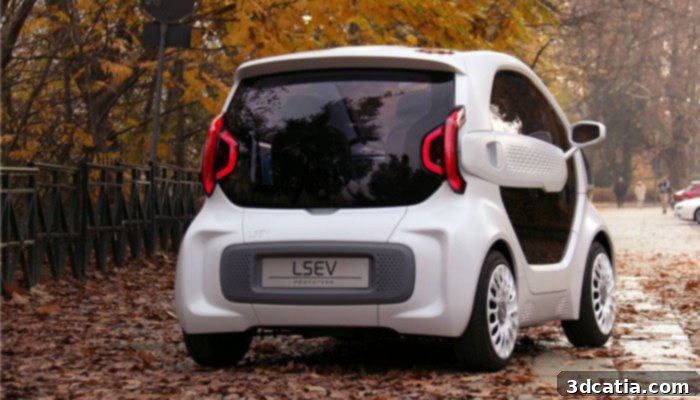
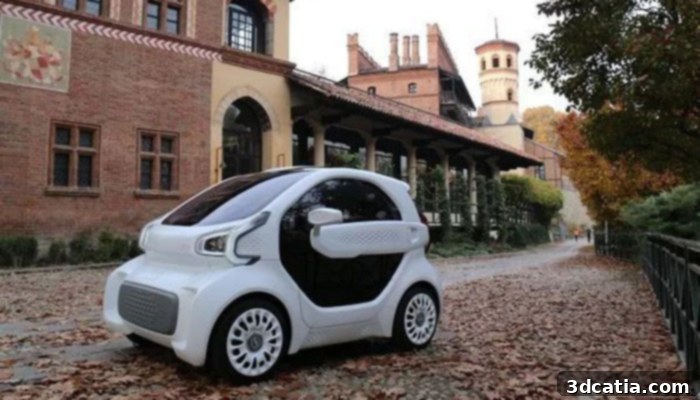
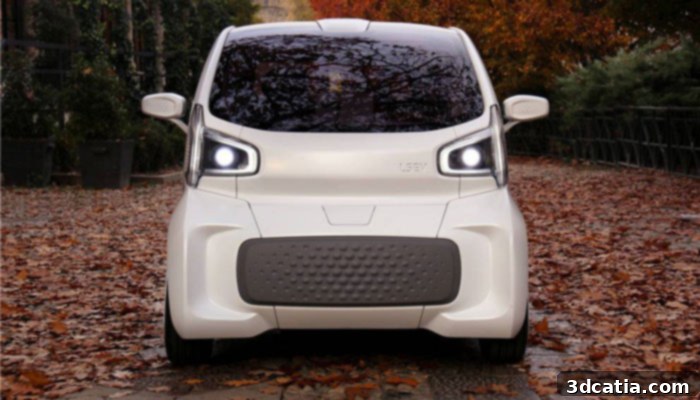
The Italian manufacturer, XEV, has outlined a truly groundbreaking approach to car production with the LSEV. Their vision for this compact electric vehicle involves 3D printing nearly all visible parts of the car. The only exceptions to this additive manufacturing process are crucial structural components such as the chassis, the seating arrangements, and the windshield. This selective application of 3D printing means that body panels, interior elements, and many other non-structural parts are fabricated layer by layer, offering unprecedented design freedom and manufacturing efficiencies.
While specific details regarding the proprietary 3D printing technology and the exact materials employed remain somewhat limited, XEV has been vocal about the profound economic advantages of their method. They claim that this innovative manufacturing process allows for a staggering 70% reduction in investment costs compared to conventional car production. Such a significant cost saving not only makes the project financially viable for a new market entrant but also dramatically accelerates the timeline from concept to production. This efficiency is critical for rapidly bringing new models to market in a fast-evolving industry.
Further demonstrating the transformative power of additive manufacturing, XEV states they have managed to streamline the vehicle’s assembly significantly. By leveraging 3D printing, the total number of components required for the LSEV has been reduced from approximately 2,000 to a mere 57. This drastic simplification translates directly into fewer manufacturing steps, reduced supply chain complexity, and potentially higher quality control. As a direct consequence of this streamlined design and the use of advanced lightweight materials, the 3D printed electric car boasts an incredibly low curb weight of only 450 kilograms, contributing to enhanced efficiency and performance for an electric vehicle.
Accelerated Development and Market Agility
One of the most compelling arguments for XEV’s 3D printing strategy comes from Luo Xiaofan, the founder and CEO of Polymaker, the company responsible for developing the filaments used in the LSEV’s production. Xiaofan highlights the stark contrast in development timelines: traditional automotive design and manufacturing can take anywhere from 3 to 5 years to bring a new car to market. In contrast, leveraging advanced 3D printing techniques, a new vehicle like the LSEV can be conceptualized, prototyped, and prepared for production in a remarkably short span of just 3 to 12 months. This unparalleled speed offers an incredible advantage in a rapidly evolving market, allowing manufacturers to respond quickly to consumer demands and technological advancements.
The implications of such rapid development are far-reaching. It enables iterative design improvements, faster integration of new technologies, and the ability to offer diverse models with greater agility. For consumers, this could mean more frequent updates, more customized options, and a wider array of vehicle choices that better reflect contemporary needs and preferences. Furthermore, the lower tooling costs associated with 3D printing make small-batch production and niche models more economically viable, potentially democratizing the automotive landscape.
Market Reception, Challenges, and Future Prospects
Despite being a relatively unknown entity in the global automotive arena, XEV has reported an encouraging initial market reception for the LSEV. The Italian manufacturer claims to have secured approximately 7,000 pre-orders in Europe alone, signaling a strong interest in its innovative offering. This level of initial demand, particularly for a vehicle that pioneers such a radical manufacturing approach, speaks to a growing consumer appetite for affordable, environmentally friendly, and technologically advanced personal mobility solutions. The anticipation for the promised April 2019 launch was palpable, with many eager to see if this groundbreaking vehicle would indeed hit the market on schedule.
However, the journey of any disruptive innovator is rarely without its challenges and skepticism. A key point of concern raised by observers was XEV’s somewhat limited online presence and the relative obscurity of the manufacturer itself, given the magnitude of their claims. In an age where digital transparency and robust corporate profiles are standard, the perceived lack of an extensive online footprint for a company making such bold statements naturally led to questions about the project’s ultimate viability. Despite these concerns, the LSEV has been prominently showcased at various prestigious events, including the 3D Cultural Museum in Shanghai, the Beijing Motor Show, and Formnext 2018, providing tangible evidence of its existence and progress.
The projected price point for the XEV LSEV is another compelling factor: an estimated €10,000. This highly competitive price positions the LSEV as an accessible entry into the electric vehicle market, potentially opening up EV ownership to a much broader demographic. Such affordability, combined with the novelty of 3D printed construction and the ecological benefits of electric propulsion, makes the LSEV a truly attractive proposition for urban commuters and those seeking a secondary vehicle. Furthermore, XEV’s ambitions extend beyond a single model. The company has expressed plans to expand its product line, exploring designs for sports cars and other vehicle types, demonstrating a long-term vision for their additive manufacturing platform.
Conclusion: The Future is Taking Shape
The XEV LSEV represents more than just a new electric car; it embodies a potential revolution in automotive manufacturing. By embracing 3D printing for the majority of its components, XEV has sought to redefine traditional production paradigms, offering significant advantages in cost reduction, development speed, and design flexibility. While the initial market launch timeline and the newness of the manufacturer naturally fueled both excitement and a degree of caution, the implications of such an endeavor are undeniable.
As the automotive world continues its shift towards electrification and sustainable manufacturing, projects like the LSEV will undoubtedly pave the way for future innovations. Whether XEV successfully navigated the complexities of mass production and delivery on its ambitious promises or faced unforeseen challenges, its pioneering effort has undeniably pushed the boundaries of what is considered possible with additive manufacturing in the automotive sector. The saga of the 3D printed electric car serves as a powerful testament to human ingenuity and the relentless pursuit of more efficient, sustainable, and accessible transportation solutions.
What are your thoughts on the potential of 3D printed electric cars and the XEV LSEV project? We invite you to share your insights and predictions in the comments section below or join the conversation on our Facebook and Twitter pages! Don’t forget to sign up for our free weekly Newsletter to stay updated with all the latest groundbreaking news in 3D printing and beyond, delivered straight to your inbox!