
Beyond Standard Plastics: Exploring Innovative and Hybrid 3D Printer Filaments for FDM/FFF
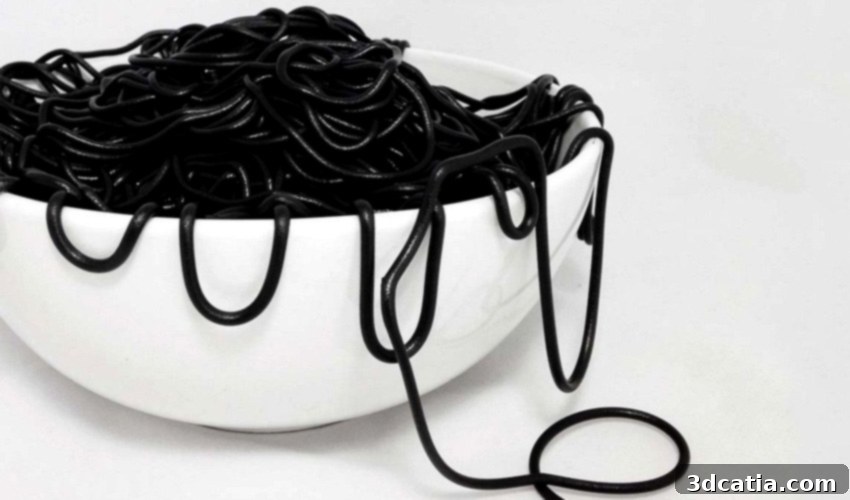
The realm of additive manufacturing continues to evolve at a rapid pace, with Fused Deposition Modeling (FDM) or Fused Filament Fabrication (FFF) remaining one of the most accessible and widely adopted 3D printing technologies. This popularity stems from its incredible versatility, particularly its compatibility with an expansive range of materials. While traditional thermoplastics like ABS and PLA form the backbone of many FDM/FFF 3D printers, the true innovation lies in the emergence of hybrid and specialty filaments. These materials push the boundaries of what’s possible, allowing users to create parts not just from standard plastics, but also from silicone, metal composites, and even food-grade pastes. The market now offers an impressive selection of filaments, many of which combine traditional polymers with unique additives to achieve diverse properties. These hybrid filaments can dramatically alter the aesthetics, texture, conductivity, strength, and overall functionality of 3D printed objects. From materials infused with coffee grounds and wood fibers to those boasting magnetic properties, electrical conductivity, or even biodegradability, the possibilities for customization and functional innovation are endless. This article delves into some of these fascinating 3D printer filaments, showcasing how they are transforming the landscape of 3D printing and offering unique solutions for various applications, sometimes even with low-cost solutions.
1 – A Coffee-Based Filament: Brewing Innovation in 3D Printing
In an ingenious move towards sustainable manufacturing, manufacturer 3Dfuel has pioneered a unique method for repurposing coffee grounds into a distinctive 3D printer filament. Known as Wound Up, this innovative material, part of the c3composites brand, artfully blends recycled coffee grounds with conventional PLA (Polylactic Acid). The result is a filament that not only boasts a unique, speckled brown color and a subtle coffee aroma but also maintains comparable printing properties to standard PLA filaments. This makes it incredibly user-friendly for creators already familiar with PLA. Beyond its novelty, coffee-based filaments offer an eco-friendly alternative by utilizing a significant waste product. Users can infuse their 3D printing projects with a touch of their beloved morning brew, creating visually appealing and uniquely textured objects, from decorative items and artistic sculptures to functional prototypes that stand out with an organic, natural finish. It’s a perfect example of how combining sustainability with creativity can lead to exciting new materials.

2 – Conductive PLA Filament: Enabling Electronics with 3D Prints
ProtoPasta, a Vancouver-based company specializing in advanced 3D printing materials, has developed a remarkable filament that bridges the gap between additive manufacturing and electronics. This unique material is a composite of PLA plastic infused with conductive carbon particles, transforming a traditionally insulative polymer into an electrically active one. This makes it an ideal choice for a myriad of applications, particularly in creating low-voltage circuits and touch-sensitive devices directly through 3D printing. The conductive nature allows for the seamless integration of electronic functionalities into printed parts, eliminating the need for separate wiring in many scenarios. Furthermore, its compatibility with regular PLA in dual-extrusion 3D printers opens up possibilities for intricate designs where conductive and non-conductive elements can be precisely laid down in a single print. According to ProtoPasta, this material is capable of powering low-voltage electronic boards and printing conductors suitable for resistors up to 1K with remarkable ease, paving the way for integrated circuits, custom touch interfaces, and educational electronics projects.
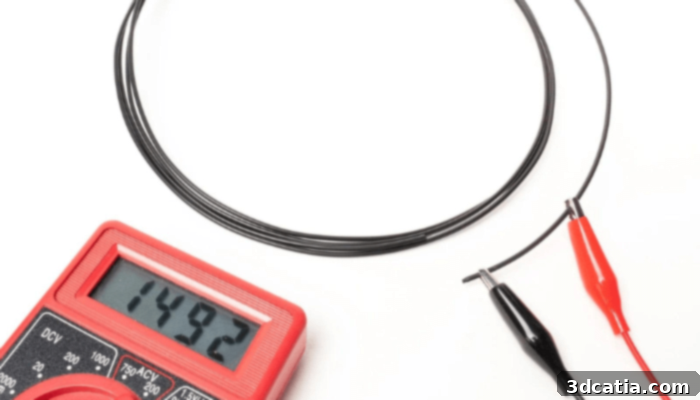
Photo credits: ProtoPasta
3 – Sandstone-Based Filaments: Crafting Realistic Stone Textures
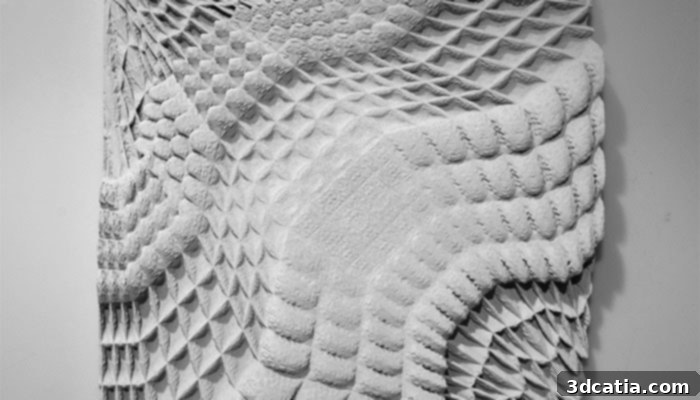
For creators looking to imbue their 3D prints with the natural aesthetics of stone, sandstone-based filaments offer an exceptional solution. This innovative 3D printer filament is formulated from a blend of PLA and powdered rock, typically chalk, designed to mimic the appearance and texture of sandstone, a widely used building material. Brands like LayBrick have become prominent in this niche, providing filaments that allow for the creation of incredibly realistic stone-like objects. A remarkable characteristic of sandstone filaments is their ability to produce varying surface finishes depending on the printer settings. By adjusting factors such as extrusion temperature and retraction, users can achieve anything from a smooth, polished stone effect to a rough, weathered texture that genuinely feels like natural rock. This versatility makes it perfect for architectural models, miniature terrain, artistic sculptures, decorative home items, and even props for theatrical productions, adding an authentic, earthy dimension to 3D printed creations.
4 – A Hybrid 3D Printer Filament Made From Hemp: Sustainable and Unique
Hemp, a material derived from a variety of the cannabis plant, has successfully transcended its historical controversies to become a valuable resource in numerous industries, including 3D printing. This eco-friendly filament combines fine particles of hemp with a PLA polymer base, leveraging the natural advantages of the plant. Hemp-based filaments offer a distinct organic texture, a slightly rough aesthetic, and often a natural, earthy scent, setting them apart from purely plastic materials. Their natural properties contribute to their appeal, including a degree of biodegradability and a reduced environmental footprint compared to virgin plastics. Several manufacturers have ventured into this specialized market, with notable collaborations such as 3Dfuel partnering with C2renew to launch innovative interlaced filaments featuring bio-filling. These materials not only provide a unique tactile experience and visual appeal but also align with sustainable manufacturing principles. Post-use, these biodegradable plastics can often be recycled or composted, offering a more responsible end-of-life option for 3D printed objects and contributing to a circular economy.
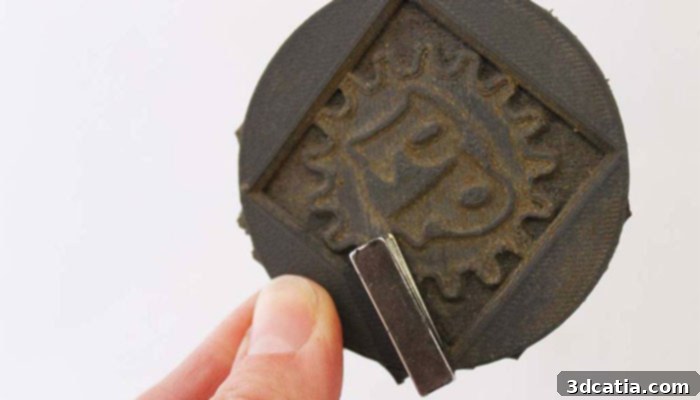
5 – Filaments with Magnetic Properties: Adding Attraction to Prints
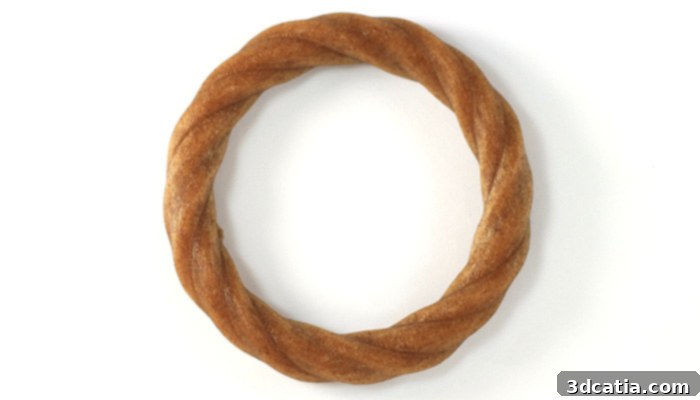
As its name suggests, this innovative 3D printer filament is engineered to possess magnetic properties, opening up a new dimension of functionality for 3D printed objects. It is typically composed of PLA blended with fine iron powder. The incorporation of these iron particles imparts distinct metallic characteristics to the material, allowing printed parts to exhibit attractive magnetic properties and also giving them a realistic metallic appearance. This makes magnetic filament incredibly versatile for various applications, from creating custom refrigerator magnets and magnetic latches to developing educational tools that demonstrate magnetic principles, or even embedding magnetic functionality into prototypes and functional parts. Proto-pasta currently stands out as a leading producer of this specialized filament, offering creators the ability to design and print objects that are not only visually appealing but also interact with magnetic fields, providing both aesthetic and practical advantages.
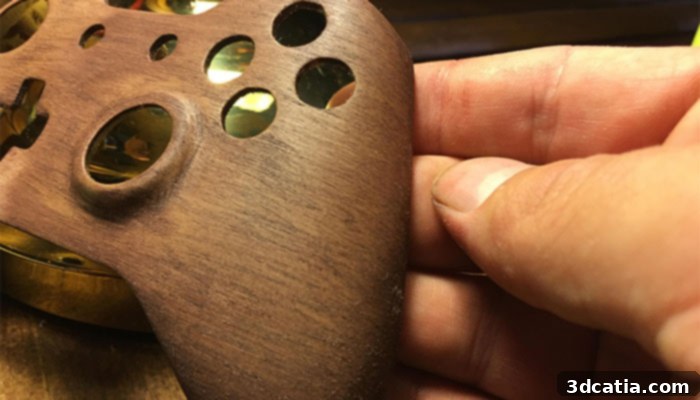
6 – A Wood-Based 3D Printer Filament: The Charm of Natural Aesthetics
Wood-based 3D printer filaments exemplify the ingenuity of hybrid materials by integrating recycled wood components with conventional PLA. These filaments cleverly repurpose waste materials such as cork dust, bamboo fibers, or fine wood particles, giving them a second life in additive manufacturing. The resulting 3D printed parts are not only visually striking, mimicking the grain and texture of natural wood, but they also offer a tactile and olfactory experience, often emitting a subtle, pleasant wood scent. This unique combination makes them ideal for creating objects that boast a handcrafted, rustic, or organic appeal. Wood filaments are popular for a wide range of applications, including decorative items, architectural models, custom furniture components, and artistic sculptures. Major manufacturers like the Dutch company Colorfabb and the American Hobbyking have excelled in producing high-quality wood-based filaments, allowing designers and hobbyists to bring the warmth and charm of natural wood into their 3D printed creations.
7 – Fluorescent 3D Filaments: Illuminating Your Creations
The captivating allure of glow-in-the-dark materials, whether from childhood decorations or vibrant festival accessories, continues to enchant us at every age. In the dynamic world of 3D printing, fluorescent filaments harness this fascination, enabling creators to produce objects that literally light up the night. These filaments are infused with phosphorescent pigments that absorb light energy during exposure to ambient light and then slowly release it as a visible glow in the dark. This property makes them perfect for a vast array of imaginative applications. For instance, ColorFabb utilizes a blend of bioplastics, PLA/PHA, in fluorescent green to produce robust and visually remarkable parts that glow with impressive intensity. Similarly, MatterHackers’ PLA PRO Series offers a range of glow-in-the-dark colors, including vibrant blue and high-quality yellow, formulated with precise chemical compositions to ensure consistent and reproducible glowing effects. From creating unique toys, eye-catching signage, safety elements, or stunning artistic displays, fluorescent 3D filaments offer an exciting way to add a luminous dimension to any printed object, making them truly unforgettable.
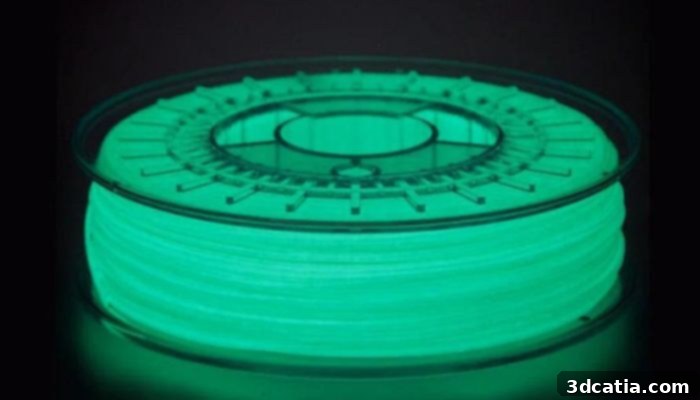
Photo credits: ColorFabb
8 – Biodegradable Filaments: Printing for a Greener Future
In an era increasingly defined by climate change and environmental concerns, sustainability has become a critical consideration across all industries, and 3D printing is no exception. The industry’s response includes a growing array of biodegradable filaments designed to minimize ecological impact. French company Kimya, for example, leads with a range of eco-filaments like PLA-R, which is derived from industrial waste and boasts up to 97% recyclability. Another notable option from Kimya is Kimya-R Natur, a fully recycled and biodegradable material. Beyond conventional waste streams, innovative solutions are emerging from unexpected places. Genesis Bioindustries Inc. has developed advanced technologies that convert food waste into PHA (polyhydroxyalkanoates) through bacterial fermentation. This creates a biodegradable plastic capable of full decomposition in natural environments within a year, and even in marine settings within less than a decade, offering a powerful solution to plastic pollution. A particularly impactful initiative addresses cigarette butts, a pervasive form of waste. Estonian startup Filaret tackles this problem by collecting cigarette butts from beaches, separating filters, washing, detoxifying, and then combining them with natural polymers. The resulting material is melted down to produce compostable plastic pellets, transforming a harmful pollutant into a valuable resource for 3D printing. These efforts highlight the diverse and creative approaches being taken to make 3D printing a more sustainable technology.
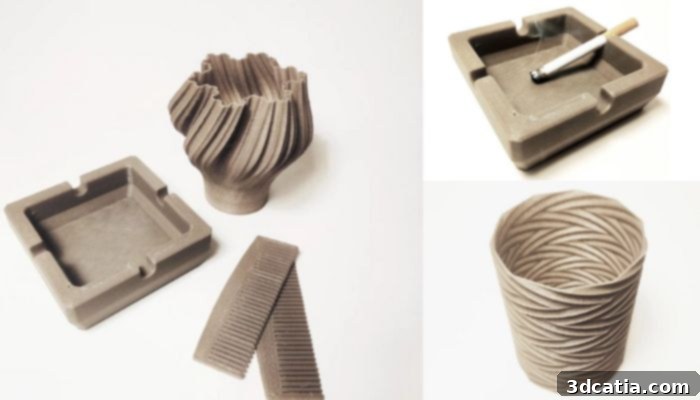
These 3D printed parts were made from cigarette filaments (photo credits: Filaret)
9 – Filaments Based on Diamond Nanoparticles: Unrivaled Strength and Conductivity
Pushing the boundaries of material performance, some of the most advanced 3D printer filaments now incorporate one of the toughest materials known: diamond. Companies like Finland’s Carbodeon and the Netherlands’ Tiamet3D offer specialized PLA filaments enhanced with diamond nanoparticles, typically measuring between 4 and 6 nanometers. These microscopic diamond particles are the secret behind the filament’s exceptional performance properties. Prints made with this material exhibit extraordinary thermal conductivity, making them ideal for applications requiring efficient heat dissipation, such as heat sinks or electronic components. Moreover, the inclusion of diamond nanoparticles dramatically boosts the structural strength of the printed parts, allowing for the creation of incredibly robust and durable objects. A fascinating side benefit is the significant increase in printing speed; the small, spherical diamond particles act as an internal lubricant during the extrusion process, facilitating smoother and faster material flow through the nozzle. This cutting-edge filament is poised to revolutionize applications in high-performance prototyping, specialized industrial tooling, and components where extreme strength and thermal management are paramount.
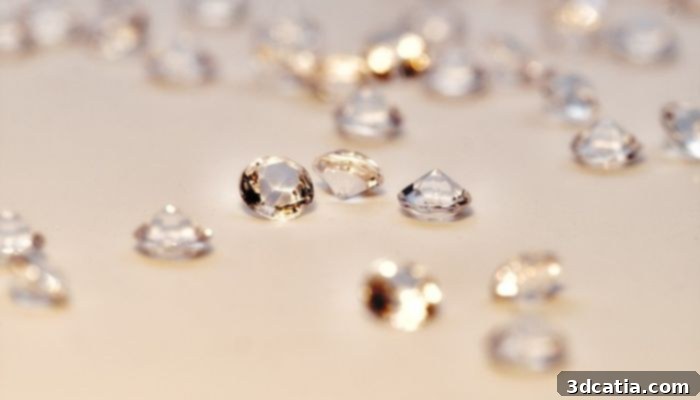
Photo credits: Carbodeon
10 – Linen and PLA Hybrid Filament: The Natural Elegance of Flax
Flax fiber, a natural material derived from the flax plant, is making significant strides in the 3D printing industry through hybrid filaments that combine it with PLA. This innovative material offers a compelling sustainable alternative to traditional synthetic filaments, appealing to those seeking eco-conscious manufacturing options. Beyond its environmental benefits, linen-infused PLA allows for the creation of parts with a unique, subtle textile-like texture and aesthetic. A particularly interesting feature is the ability to produce different shades of brown by simply adjusting printing parameters, such as the extruder temperature. Higher temperatures can lead to darker tones as the flax fibers undergo slight scorching, offering creative control over the final appearance. To ensure the longevity and maintain the quality of these beautiful, naturally derived printed parts, it is highly recommended to seal them with a UV protection treatment. This treatment safeguards the material from degradation due to sunlight exposure, ensuring the parts remain protected and in good condition for an extended period. Utilizing flax fiber in 3D printing represents a commendable step towards a more environmentally friendly approach to manufacturing, reducing reliance on non-renewable resources and embracing natural beauty.
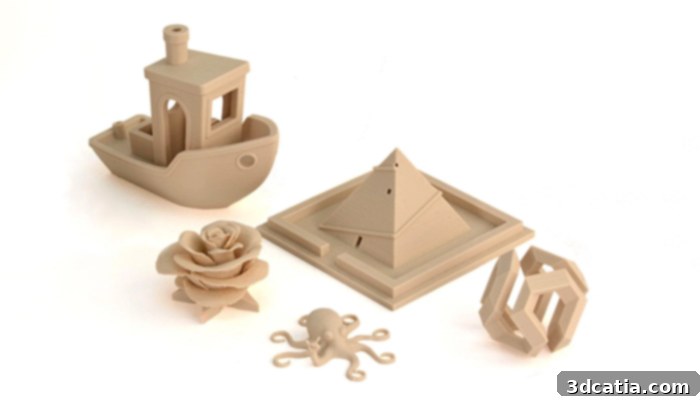
Photo credits: TwoBears
11 – ESD Hybrid Filaments: Protecting Sensitive Electronics
Electrostatic Discharge (ESD) can be incredibly damaging to sensitive electronic components, rendering them useless. ESD filaments are specifically engineered to provide critical protection against such static electricity. These specialized materials are composed of a thermoplastic base, often PLA, ABS, or PETG, combined with a carbon dispersion modifier, which gives them their conductive properties. This makes ESD filaments indispensable for manufacturing integrated circuit packages, protective casings for sensors, connectors, and measuring devices where static buildup must be prevented. Beyond their primary function of electrostatic dissipation, these filaments often exhibit excellent resistance to impact, high temperatures, and scratches, making them robust for demanding industrial applications. Achieving optimal print quality with ESD filaments requires careful calibration of printer parameters. Typical melting temperatures range between 250 and 265°C, and the printing plate is usually heated to 90-110°C to ensure good adhesion and prevent warping. Using a 3D printer with a closed enclosure is highly recommended to maintain a stable printing environment and prevent thermal inconsistencies. For best results, the recommended printing speed should not exceed 60 mm/s, and a nozzle diameter of 0.6 mm is often preferred to handle the composite material effectively. Leading manufacturers such as Fiberlogy, Kimya, and Nanovia offer a variety of ESD filaments, with prices varying; for example, 800g of Zortrax filaments may cost around €109, while 3DXTech offers 750g for approximately €88, reflecting the specialized nature and advanced properties of these essential materials.
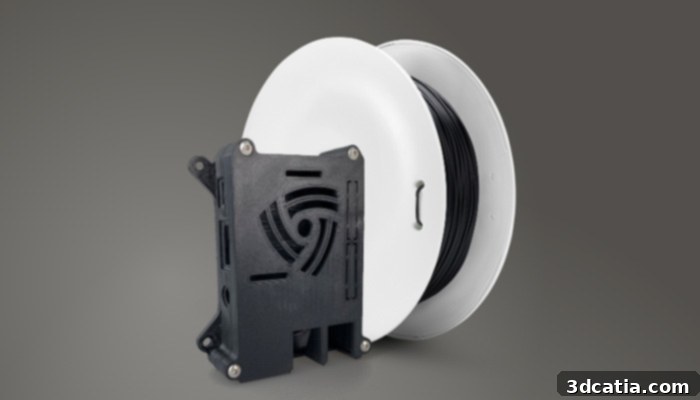
Photo credits: Fiberlogy
The world of 3D printing filaments is constantly expanding, offering an astonishing array of materials that go far beyond standard plastics. These innovative and hybrid filaments unlock new possibilities for creativity, functionality, and sustainability, transforming what can be achieved with FDM/FFF technology. We hope you enjoyed exploring these unique materials. What did you think of these hybrid filaments? Let us know in a comment below or connect with us on our LinkedIn, Facebook, and Twitter pages! Don’t forget to sign up for our free weekly Newsletter here to get the latest 3D printing news straight to your inbox! You can also find all our videos on our YouTube channel.