
Pioneering Maritime Innovation: MX3D and KM Yachtbuilders Unveil a 3D Printed Aluminum Keel
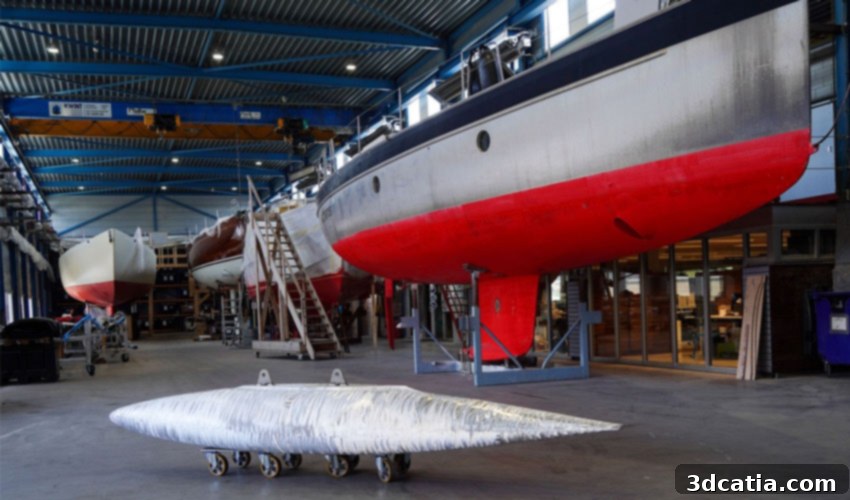
In a significant leap forward for marine engineering and advanced manufacturing, MX3D, a renowned manufacturer of metal 3D printing solutions, has forged a groundbreaking partnership with Dutch custom yacht builder KM Yachtbuilders. Their collaborative effort has culminated in the successful design and production of a revolutionary 3D printed aluminum keel. This pioneering project, which saw the creation of a keel measuring an impressive 4 meters (approximately 13 feet) in length and 650 millimeters (~26 inches) in diameter, represents a critical advancement in MX3D’s extensive research into the transformative impact of additive manufacturing within the demanding marine industry.
This entirely custom-made keel serves as a powerful demonstration of the immense potential of Wire Arc Additive Manufacturing (WAAM) technology in sectors that demand high precision, structural integrity, and bespoke solutions. The long-term vision for this collaboration extends far beyond the creation of a single component; it aims to establish a clear pathway for certifying such additively manufactured parts for widespread use. This objective promises to offer a viable and superior alternative to traditional, often labor-intensive, manufacturing methods, ultimately reshaping how critical marine components are designed, produced, and maintained across the global maritime supply chain.
Many within the additive manufacturing community and beyond will recognize MX3D for its truly monumental achievement: the installation of a 3D printed metal bridge in the bustling center of Amsterdam. This impressive feat of engineering not only showcased the scalability and structural capabilities of their WAAM technology but also firmly established MX3D’s reputation as a leader in large-format metal additive manufacturing. Building on this monumental success, the innovative Dutch manufacturer has strategically broadened its application of WAAM technology into other critical industries, with the maritime sector now being a key area of focus for its unique capabilities.
MX3D’s strategic rationale for entering the marine industry is clear and well-articulated on their website, highlighting several core challenges that additive manufacturing can effectively address. The company notes: “Maritime assets are capital intensive, downtime has significant financial consequences, and production operations are often situated at remote locations, isolated from crucial repair facilities and spare part storage. Robotic WAAM offers substantial opportunities in reshoring manufacturing processes, accelerating the custom, low-cost, and rapid printing of complex objects. By leveraging WAAM, design and assembly can evolve into a more automated process, enabling optimal material utilization and achieving significant reductions in assembly costs.” This statement powerfully underscores the multifaceted benefits that WAAM brings, from enhanced operational efficiency to improved supply chain resilience in a sector notoriously prone to complex logistical hurdles.
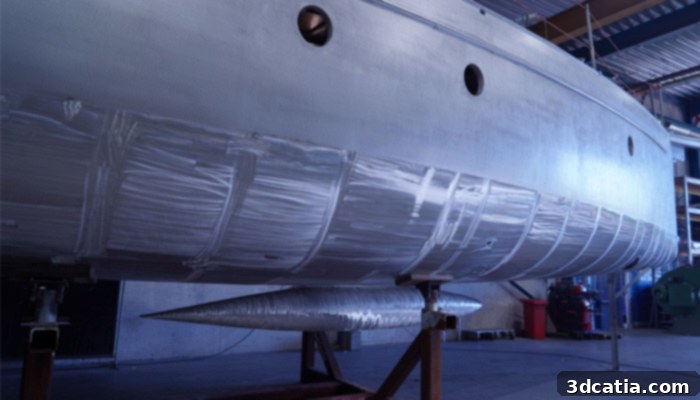
The meticulously crafted 3D printed keel, a testament to WAAM technology’s precision and scalability (photo credits: MX3D)
Addressing Marine Industry Challenges with Advanced Manufacturing Techniques
The decision by MX3D and KM Yachtbuilders to focus on a keel as a flagship project is particularly insightful when considering the current challenges faced by the marine construction industry. The traditional manufacturing of complex components like keels is becoming increasingly difficult due to a dwindling supply of experienced welders and a growing demand for specialized, custom-tailored designs. Conventional fabrication methods often struggle to accommodate the unique specifications required for modern high-performance yachts, which increasingly seek optimized hydrodynamic profiles and intricate internal structures for enhanced performance, improved stability, and superior fuel efficiency.
A keel, serving as the lowest and often most critical part of a boat, is fundamental to its stability, performance, and overall safety. It plays a vital role in preventing the vessel from being pushed sideways by powerful wind and water currents, thereby effectively giving the boat its crucial center of balance and directional stability. The collaborative vision of KM Yachtbuilders and MX3D led to the creation of an aluminum keel that is 4 meters long, with a consistent diameter of 650 mm, and weighing a manageable 180 kilos. What truly sets this 3D printed keel apart is its innovative internal architecture, which seamlessly integrates complex stiffeners designed to significantly improve its overall structural performance and hydrodynamic efficiency. This unparalleled level of design complexity and internal optimization would be exceedingly challenging, if not entirely impossible, to achieve using conventional manufacturing techniques such as casting or traditional welding and assembly.
The Critical Quest for Certification: Ensuring Quality and Reliability in Marine Additive Manufacturing
A critical and overarching objective for both partners in this pioneering venture is to successfully obtain a Lloyd’s Register 3.2 certification. This specific certification is paramount and highly regarded within the global maritime industry, as it rigorously “ensures that the metal materials are verified and of expected quality, guaranteeing the validity of the manufacturer and the products supplied to the buyer.” Achieving such a stringent and internationally recognized certification would not only profoundly validate the integrity, reliability, and safety of WAAM-produced parts but also pave the way for broader acceptance and widespread adoption of additive manufacturing across the entire marine sector. It would build essential confidence among shipbuilders, vessel operators, and regulatory bodies alike, unequivocally demonstrating that 3D printed components can meet, or even surpass, the rigorous safety and performance standards demanded by highly critical marine applications.
The Transformative Power of WAAM in Contemporary Maritime Manufacturing
Wire Arc Additive Manufacturing (WAAM) stands out as a particularly suitable and highly effective technology for the production of large-scale metal components. This is primarily due to its exceptional ability to deposit substantial volumes of material rapidly and its seamless compatibility with readily available and cost-effective welding wires. The WAAM process utilizes an electric arc to melt metal wire, meticulously building up objects layer by layer. The strategic use of aluminum, a material renowned for its lightweight yet robust properties, is ideally suited for marine applications where significant weight reduction is crucial for optimizing vessel performance, enhancing fuel efficiency, and reducing overall operational costs. Beyond the keel, the potential applications for WAAM in the maritime sector are incredibly vast and diverse. Eventually, the two forward-thinking Dutch partners envision being able to 3D print a wide array of spare parts for any type of boat, from luxury yachts to large commercial vessels, as well as complex finished parts. This groundbreaking capability could dramatically reduce lead times for custom components, minimize the need for extensive inventory requirements for spare parts, and facilitate highly efficient on-demand manufacturing, even in remote or challenging locations.
The benefits of wholeheartedly embracing WAAM technology in marine manufacturing are truly extensive and far-reaching. It offers unparalleled design freedom, empowering engineers to create incredibly optimized geometries that improve functionality, enhance performance, and significantly reduce material consumption. This remarkable capability extends to integrating highly complex internal structures, such as the innovative stiffeners embedded within the keel, which dramatically enhance strength and rigidity without adding excessive weight. Furthermore, the localized, digital nature of additive manufacturing can significantly contribute to reshoring manufacturing operations, thereby reducing an industry’s reliance on often fragile and distant global supply chains and fostering robust local economic growth. While specific details regarding the exact manufacturing duration or the precise cost of producing this prototype keel have not yet been publicly disclosed, the demonstrated end result is undeniably promising, signaling the dawn of a new and exciting era for marine fabrication and naval architecture.
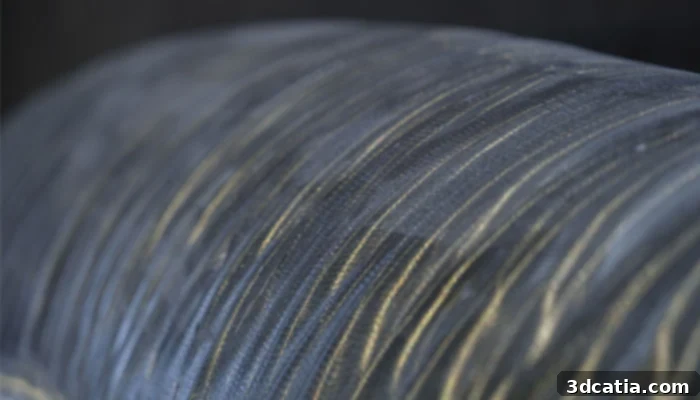
WAAM technology empowers designers to create highly customized and optimized marine components, as exemplified by this keel (photo credits: MX3D)
Shaping the Future of Naval Architecture and Modern Manufacturing
The innovative collaboration between MX3D and KM Yachtbuilders is much more than just a successful individual project; it serves as a compelling blueprint for the future of naval architecture and advanced manufacturing. By conclusively proving the viability of large-scale, certified metal 3D printing for critical marine components, they are diligently laying the essential groundwork for a significant paradigm shift within the industry. Imagine a near future where shipyards possess the capability to print bespoke parts on demand, dramatically reducing material waste, significantly accelerating design iterations, and creating vessels with unprecedented performance characteristics. This revolutionary approach could fundamentally transform maintenance schedules, enable rapid and localized repairs with quickly produced spare parts, and foster an era of greater innovation in vessel design and construction across the board.
This remarkable achievement by MX3D and KM Yachtbuilders powerfully highlights the immense and largely untapped potential of additive manufacturing to effectively address long-standing challenges prevalent in traditional industries. It unequivocally underscores the transition of additive manufacturing from a specialized niche technology to a credible and increasingly mainstream solution for highly critical applications. The demonstrated ability to produce complex, high-performance components like a boat keel with such precision, efficiency, and material optimization opens wide the doors for myriad other applications within the expansive maritime sector, ranging from advanced propeller designs to intricate structural elements and highly specialized fittings. The ongoing research and development efforts dedicated to refining material properties, optimizing process parameters, and establishing robust certification standards will undoubtedly continue to push the boundaries of what is achievable with metal 3D printing, further solidifying its role in modern marine engineering.
For those keenly interested in delving deeper into MX3D’s extensive work and innovative projects specifically within the maritime sector, comprehensive further information can be readily found HERE on their dedicated industry page. This valuable resource provides a thorough overview of their vision and advanced technological capabilities as applied to marine applications, reinforcing their unwavering commitment to driving relentless innovation in this vital global industry.
We are exceptionally eager to hear your insightful thoughts on this groundbreaking 3D printed boat keel and your perspectives on the exciting future of additive manufacturing in the marine industry! Please let us know your valuable insights, questions, or comments in the section below, or join the vibrant discussion on our Facebook and Twitter pages. And don’t forget to sign up for our completely free weekly newsletter to stay consistently updated with all the very latest news, groundbreaking breakthroughs, and essential developments in the dynamic and fascinating world of 3D printing, delivered directly to your inbox every week!